
Everything You Need to Know About Vegan Ethiopian Bowls
Vegan Ethiopian bowls are a bright, inviting way to celebrate traditional flavors in a modern, plant-forward format. They center on balance—color, aroma, texture, and warmth—and they invite you to explore a kitchen full of fragrant spices, hearty legumes, and the tang of fermented bread. This post highlights the cultural value and culinary significance of the dish, focusing on How It’s prepared, shared, and enjoyed.
Core Elements of the Dish
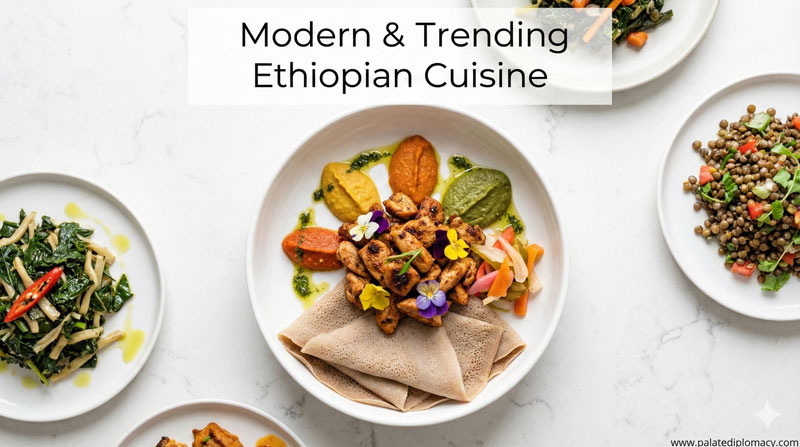
At the heart of vegan Ethiopian bowls are four elements: a nourishing grain or flatbread, hearty stews, fresh vegetables, and a bright finishing touch. Teff-based injera often serves as the base or as a scoopable companion. Lentil or chickpea stews bring protein and deep spice, while greens and bright salads add crunch and freshness. The bowls come together with simple mechanics: layer, savor, and share. Each component plays a role in the overall harmony.
Injera: The Essential Vessel
Injera is more than bread here; it is the vessel that carries flavor and unites the plate. Made from teff flour, it has a tender sourness from natural fermentation. This tang pairs beautifully with the warmth of berbere and other spice blends. When used as a bed, injera soaks up sauces and creates a soft, chewy counterpoint to crisp vegetables. If you prefer a gluten-free option or a lighter presentation, you can lay injera alongside the bowls rather than beneath them. Either way, injera anchors the dish and invites diners to dip, scoop, and savor.
Flavor Foundations and Spices
The spice backbone of vegan Ethiopian bowls often centers on berbere, a warm, chili-forward blend that includes garlic, ginger, paprika, and fenugreek. Mitmita or paprika can add a bright kick. For vegan adaptations, cooks replace butter with olive oil, sesame oil, or a light vegetable oil and sometimes add a hint of niter kibbeh substitute—a roasted, spiced oil blend that carries coriander, cumin, cardamom, and nutmeg. These flavors create a robust, layered profile: smoky warmth, citrusy brightness, and a gentle tang that complements legumes and greens. The result is comforting without heaviness and vibrant without fuss.
Texture, Technique, and Presentation
Texture is a crucial part of the experience. Creamy lentil stews contrast with chunky vegetables and the soft bite of injera. The greens can be wilted but not mushy, offering a delicate savoriness that brightens the plate. A well-balanced bowl presents a mosaic of colors: ochre yellows from turmeric-spiked lentils, deep greens from collards or kale, and the warm red of peppers. Presentation matters, but the goal is clarity and ease of eating—each spoonful should combine a bit of sauce, a piece of vegetable, and a bite of injera. In practice, cooks layer the bowls thoughtfully: a bed of injera, a scoop of stew, a handful of greens, and a finishing drizzle of olive oil or lemon juice.
Cultural Value: Hospitality and Shared Meals
Vegan Ethiopian bowls honor hospitality and the joy of sharing food. The meal often arrives at the table as a colorful, communal spread, inviting everyone to help themselves. The act of gathering around a shared bowl or a set of bowls reinforces connection, conversation, and a sense of welcome. For many cooks, preparing a vegan Ethiopian bowl is an act of care—selecting seasonal vegetables, balancing spices, paying attention to texture, and presenting a table that feels inviting. The result is a dish that celebrates community without ceremony, simply by bringing people together to enjoy good food.
Serving, Pairings, and Presentation
To serve, present the bowls with care and a light touch of finishing salt, citrus zest, or a drizzle of oil. A small salad of tomato, onion, and fresh herbs complements the warmth of stews. If you Like a traditional touch, serve injera on the side and offer a cup of strong Ethiopian coffee to finish; the aroma adds a gentle counterpoint to the spice. Fresh herbs or lemon wedges can brighten the plate, while cucumber or carrot ribbons provide crisp contrast. The goal is an approachable, balanced experience that respects the dish’s heritage while inviting modern enjoyment.
Variations and Accessibility
Home cooks can adapt vegan Ethiopian bowls to what is in season or in the pantry. Swap lentils for black-eyed peas, chickpeas for white beans, or add seasonal greens like spinach or Swiss chard. For a milder bowl, tone down the berbere and add a touch of cumin or paprika. If you prefer a lighter texture, use thinner stews or a larger portion of vegetables. The beauty lies in flexibility: the core idea is a harmonious bowl that blends spice, legume, greens, and the tang of teff-based bread.
Practical Tips for Beginning Cooks
- Start with a simple mise en place: measure spices, chop vegetables, and have injera or flatbread ready.
- Use a balanced spice blend. If berbere feels strong, blend with a touch of paprika, cumin, and coriander to tailor the heat.
- Cook lentils until they hold their shape but are tender, then finish with a splash of lemon juice to lift the flavor.
- Steam greens briefly so they stay bright and tender; avoid overcooking to preserve texture.
- Taste and adjust: a squeeze of lemon, a pinch of salt, or a drizzle of oil can elevate the bowl.
Final Thoughts
Everything about vegan Ethiopian bowls invites curiosity and care. They showcase the beauty of plant-based cooking while honoring a time-honored culinary tradition. With colorful ingredients, bold spice, and a spirit of sharing, these bowls offer both flavor and meaning. They celebrate how food connects people, how texture and aroma can tell a story, and how a simple meal can feel timeless and fresh at the same time. If you are drawn to vibrant, nourishing dishes, vegan Ethiopian bowls welcome you to a world where warmth and hospitality live on the plate.