
Introduction: Everything You Need to Know About Vegan Ethiopian Bowls
Vegan Ethiopian bowls celebrate color, aroma, and balance. They center on injera, the sour flatbread that also acts as a plate. The bowls are built with legume stews, vegetables, and fragrant spice blends. The result is a dish that feels generous, inviting, and deeply rooted in everyday cooking. This post explores the cultural value and culinary significance of vegan Ethiopian bowls, keeping the focus on flavor, technique, and shared meals. You will discover how texture, aroma, and color come together to create a distinctive eating experience that many households treasure.
The Heart of Ethiopian Dining: Injera and Shared Plates
Injera is more than food; it is a talking point of hospitality. A soft, spongy base soaks up sauces and brings every bite into harmony. In vegan bowls, injera’s tangy note complements the warmth of lentil and vegetable stews. The practice of serving meals on a single communal spread reinforces a spirit of togetherness. Friends and family gather, pierce pieces of injera, and scoop from the same bowls. This simple act communicates respect, patience, and care for one another.
Core Ingredients That Define Vegan Bowls
Vegan Ethiopian bowls rely on a few dependable stars. Lentils and chickpeas provide protein and heartiness. Vegetables such as carrots, cabbage, and spinach add brightness and crunch. Spices bring warmth and depth; berbere and mitmita offer layered heat, while paprika, coriander, and garlic brighten the mix. Teff flour creates injera, the traditional base. When cooked with tomatoes, onions, and garlic, many stews achieve a balanced sweetness and a comforting savoriness. This combination makes each bowl both nourishing and vibrant.
Technique and Flavor: Spices, Sauces, and Textures
Cooking methods matter as much as ingredients. Slow-simmered lentil stews deepen flavors, then finish with a splash of lemon for lift. Vegetables are often sautéed gently to retain color and texture. The spice blends are layered: start with sautéed onions, add garlic and ginger, then fold in berbere for warmth and complexity. A finish of fresh herbs or a drizzle of oil can lift the entire bowl. The texture range—creamy stews, crisp vegetables, and soft injera—creates a satisfying bite in every mouthful.
Visual and Culinary Harmony: Color, Aroma, and Texture
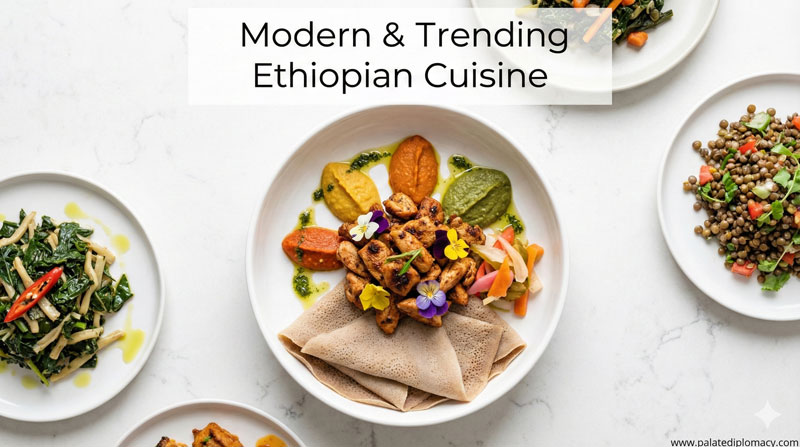
Vegan Ethiopian bowls are a feast for the senses. Rich reds and golden yellows from spices contrast with the deep green of leafy vegetables. The sour aroma of injera mingles with peppery notes from the spice mix. Each bowl presents a mosaic of colors and textures that signals variety and care. The aroma invites you to slow down, observe the ingredients, and savor the layers of flavor. This visual and aromatic balance is a hallmark of Ethiopian home cooking.
Cultural Value: Hospitality, Tradition, and Seasonal Eating
These bowls embody hospitality and mindful preparation. Preparing a bowl for a guest is an act of welcome, signaling that time, effort, and attention were given. Seasonal produce guides what goes into the bowl, keeping meals fresh and in tune with the harvest. The shared format reinforces community and connection, values that are central to everyday life. In this light, vegan Ethiopian bowls become more than food; they are a form of cultural storytelling through taste and care.
Regional Inspirations Within Ethiopia
Different regions bring subtle variations. Some bowls feature more lentils, others emphasize greens or root vegetables. Slight changes in spice intensity reflect local tastes and available ingredients. Teff remains the common thread, especially in injera, but the texture and sourness can vary with fermentation. These regional nuances enrich the overall experience, offering a sense of place in every bite while maintaining a cohesive vegan framework.
Tips for Preparing Your Own Vegan Ethiopian Bowl at Home
- Start with a good injera base. If you cannot find traditional teff injera, a teff blend works well.
- Build in layers: sauté onions and garlic, add spices, then stir in tomatoes or Coconut Milk for a smooth sauce.
- Keep a variety of vegetables prepared and ready. A crisp component adds contrast to creamy stews.
- Taste and adjust acidity with lemon or lime. A bright finish lifts the flavors.
- Serve with fresh herbs on top to add a final note of freshness.
Serving Ideas and Occasions
Vegan Ethiopian bowls fit everyday meals and special gatherings. They pair nicely with warm tea or mild coffee after the meal. Because the bowls are flexible, you can tailor them to seasonal produce, making them suitable for family dinners, weekend gatherings, or small celebrations. The inviting presentation invites conversation about flavors, textures, and the care that went into preparing each component.
Conclusion: A Timeless, Nourishing Culinary Story
Everything You Need to Know About Vegan Ethiopian Bowls highlights a tradition built on balance, warmth, and shared meals. The combination of injera, hearty legume stews, and fresh vegetables offers A Complete and satisfying experience. This dish blends history with everyday cooking, inviting cooks to honor flavors, technique, and hospitality. By embracing these bowls, you celebrate a food culture that values generosity, craft, and community in every bite.