
Introduction
This post introduces the dish How Vegan Ethiopian Bowls Reflects Ethiopian Food Culture. It explores how a plant-forward meal can embody a rich culinary tradition. The goal is to show cultural value and culinary significance with warmth and clarity. You will discover how simple ingredients, careful technique, and shared plates come together in vegan bowls that feel Like a celebration of everyday life in Ethiopian cuisine. The tone stays inviting, respectful, and focused on beauty, flavor, and place.
What Are Vegan Ethiopian Bowls?
Vegan Ethiopian bowls are bowls built around the core ideas of Ethiopian cooking, but they center plant-based ingredients. They typically feature a bed of injera or a teff-inspired base, topped with vibrant stews and vegetable dishes. Expect lentil stews (misir wot), chickpea-based sauces (shiro), and hearty mixed vegetables (atkilt). The bowls honor balance: protein, starch, greens, and a bright sauce or spice blend all in one place. The result is a meal that is nourishing, colorful, and satisfying.
In these bowls, injera acts as more than food. It becomes a shared, edible canvas that soaks up flavors and invites dipping and scooping. The dishes emphasize legumes and vegetables, with flavors shaped by berbere, paprika, garlic, onion, and ginger. The cooking stays attentive to simplicity and depth. Each element has a purpose, from the softness of lentils to the brightness of tomatoes and greens. The overall effect is approachable yet deeply rooted in tradition.
Core Flavors and Techniques
The flavor profile of vegan Ethiopian bowls is bright, warm, and comforting. Berbere, a bold spice blend, brings warmth, chili, cumin, and coriander without overpowering the dish. Mitmita provides a sharper, peppery note in some preparations. Garlic and onion are often sautéed until sweet, creating a savory base that complements the legumes. Tomatoes add tang and brightness, while greens contribute earthiness and color.
Technique matters as well. Slow-simmered stews deepen their flavors, giving lentils and chickpeas a gentle, velvety texture. Frying onions to caramelized edges adds sweetness and depth. For the injera base, the batter is fermented, which brings a subtle sourness that harmonizes with spicy stews. In vegan preparations, oil replaces animal fat, preserving the texture and encouraging a luminous finish. The result is a bowl with layered textures: creamy lentils, crunchy vegetables, and soft, sour notes from injera.
The Shared Table and Hospitality
Ethiopian dining is deeply social. Meals are shared around a common plate, often served on or near injera. Biblically simple ingredients come alive through generosity and communal care. In a bowl setting, this spirit continues. Friends and family gather, pass bowls, and savor each bite together. The act of sharing—whether scooping lentils or tearing injera for dipping—creates a sense of belonging. Gursha, the gracious gesture of feeding someone a bite with a piece of injera, is a joyful expression of hospitality. Vegan bowls make this tradition accessible in Modern kitchens, allowing more people to experience Ethiopian flavors together.
Ingredients and Preparation Philosophy
Vegan Ethiopian bowls celebrate plant-based abundance. Staples include lentils, chickpeas, potatoes, carrots, cabbage, spinach, and greens. Teff-based ingredients connect to traditional bread and bowls with a distinct tang. Fresh tomatoes, onions, garlic, and ginger provide brightness. Spices—berbere, turmeric, paprika, and cumin—create depth without heaviness.
The preparation philosophy centers on balance and restraint. Each ingredient is prepared to highlight its best qualities. Lentils are cooked until tender but intact. Vegetables retain some texture to provide contrast. The sauce or stew thickens to cling to grains and greens. Injera is torn into pieces or used as a gentle base, allowing the bowl to be both hearty and light at once. This approach honors the nutritional variety of Ethiopian plant foods while keeping the dish accessible to home cooks and diners around the world.
Visual and Textural Celebration
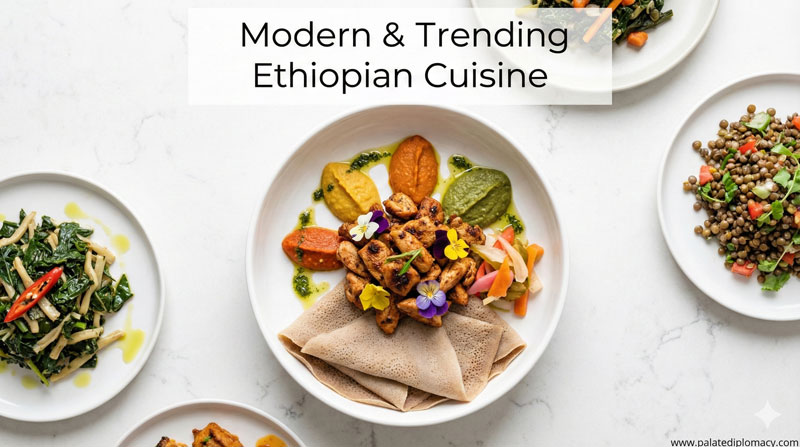
Color plays a starring role. Reds from tomatoes and peppers meet greens from collards or spinach. Golden hues from well-cooked onions and potato wedges contrast with the dark richness of lentil stews. Textures range from creamy lentils to crisp vegetables, with the soft elasticity of injera binding the experience. The bowls feel inviting because they balance sight, aroma, and mouthfeel. This multisensory appeal mirrors how Ethiopian cuisine often thrives on harmony—between heat and sourness, between soft and crisp, between spice and fragrance.
A Modern Echo of Tradition
Vegan Ethiopian bowls are a modern expression of time-honored flavors. They bring traditional ingredients into contemporary kitchens while simplifying some steps to fit busy lifestyles. The bowls celebrate teff and injera, legume power, and the enduring pleasure of sharing a meal. Home cooks can adapt seasonally, swapping greens or adding seasonal vegetables, all while preserving the essential spirit of Ethiopian cooking. This adaptability makes the dish a welcoming entry point for those new to Ethiopian flavors and a comforting option for longtime fans.
Plating, Serving, and Everyday Elegance
Serving vegan Ethiopian bowls invites care and attention. Present the bowls in a clean, warm setting with a few injera morsels on the side for tearing and dipping. Offer a small dish of awaze or a light, chili-forward sauce for those who enjoy extra zing. A sprinkle of fresh herbs or a squeeze of lemon can brighten the finish. The simple act of arranging a bowl thoughtfully communicates hospitality and respect. This small ritual reinforces the cultural value of care in daily meals.
How This Dish Reflects Ethiopian Food Culture
Vegan Ethiopian bowls reflect Ethiopian food culture in multiple, meaningful ways. First, they foreground legumes and teff, two staples that support varied, nutritious meals. Second, they honor the tradition of sharing food on a common plate, even when the plate is a bowl. Third, they celebrate balancing flavors—spicy, sour, savory, and fresh—in harmony. Fourth, they highlight the importance of cooking technique, from fermentation to simmering, that brings depth to plant-based foods. Finally, they invite inclusion. By using plant-based ingredients, these bowls open Ethiopian cuisine to vegans and non-vegans alike, inviting everyone to experience the warmth and richness of the dish.
A Guide to Pairing and Adaptation
If you want to pair or adapt, start with misir wot or shiro as a base, then add atkilt greens and a handful of greens or cabbage. A side of injera or a teff-based grain adds tradition and texture. For beverages, a light tea or a mild, refreshing drink complements the spice well. When cooking, consider keeping some elements gluten-free or spice-adjusted to suit guest preferences. The beauty of vegan Ethiopian bowls lies in their flexibility and respect for the core flavors you love.
Conclusion
How Vegan Ethiopian Bowls Reflects Ethiopian Food Culture offers a window into a cuisine that is generous, flavorful, and deeply communal. The bowls honor teff, legumes, and vegetables while celebrating the art of sharing a meal. They bring traditional techniques into modern kitchens with clarity and warmth. If you seek a meal that nourishes body and spirit, this is a fitting choice. It invites curiosity, invites conversation, and invites everyone to savor the beauty of Ethiopian culinary heritage.