
A Window into Ethiopian Food Culture
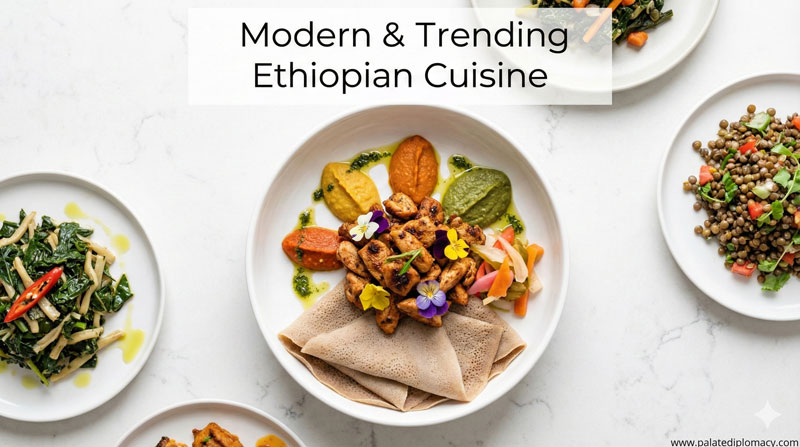
Vegan Ethiopian bowls celebrate the country’s love of plant-forward cooking. They bring together legumes, grains, and fresh vegetables in a single, inviting plate. The bowls highlight warmth, hospitality, and a careful balance of flavors. Each bite blends textures—from tender lentils to creamy shiro and crisp greens—while the sour lift of injera ties everything together. This culinary approach showcases a culture that values variety, rhythm, and mindful eating.
The Base: Injera and Teff
Injera sits at the Heart of every Ethiopian meal. Made from teff flour, it creates a spongy, slightly tangy base that absorbs sauces beautifully. The teff grain is ancient, nutrient-dense, and naturally gluten-free. Fermentation gives injera its characteristic depth, a detail that reflects patience and craft. When layered with vegan bowls, injera functions as a plate and a utensil, guiding the pace of the meal. This simple bread reveals a cultural preference for shared, interactive dining.
Legumes and Vegetables: The Heart of the Bowl
Misir wot, a red lentil stew, and shiro, a chickpea-flour sauce, anchor vegan bowls with protein and comfort. Gomen, collard greens, adds greens with a subtle bite. Seasonal vegetables bring color and brightness, balancing richness with freshness. The emphasis on legumes and greens mirrors a culinary instinct for nourishment, accessibility, and sustainability. The bowls celebrate everyday ingredients that are both flavorful and deeply satisfying.
Spice and Flavor Harmony
Berbere, a blend of chilies, garlic, fenugreek, and other spices, infuses the bowls with warmth without heaviness. Onions and garlic sing through the mix, creating layers of aroma. The result is a bright, robust profile that satisfies the palate while keeping things balanced. The spice philosophy in Ethiopian cooking favors depth, resonance, and harmony—qualities that shine in vegan bowls when each component complements the others.
Sharing, Hospitality, and Gursha
Sharing is a cornerstone of Ethiopian eating. In a meal of vegan bowls, guests often participate in the act of gursha—feeding a bite to a friend or family member as a gesture of care. This practice emphasizes generosity, connection, and mutual enjoyment. The bowls become a social ritual as much as a dish, inviting conversation and appreciation. Hospitality shines through in the way each bowl invites everyone to sample, compare textures, and celebrate variety.
Fresh Produce and Seasonal Rhythm
Vegan bowls draw on seasonal produce, herbs, and greens. Tomatoes, peppers, leafy greens, and roots appear at different times of the year, guiding the bowl’s color and texture. The approach honors growers and markets and reflects a daily rhythm of freshness. Each season offers new combinations, keeping the bowls alive with taste and energy. This seasonal mindset is a quiet celebration of place and harvest.
Craft, Fermentation, and Time
The artistry behind vegan Ethiopian bowls lies both in technique and patient timing. Fermentation, especially for injera, sharpens flavor and deepens aroma. The process teaches respect for time, temperature, and texture. Careful preparation of lentils, greens, and sauces shows a tradition of diligence and pride in simple ingredients. The bowl becomes a narrative of craft—how humble components transform through skill and patience.
A Modern Bowl, A Timeless Tradition
Today’s vegan Ethiopian bowls honor tradition while inviting new audiences to savor Ethiopian Food culture. The bowls teach balance—between sour and savory, soft and crisp, simple and nuanced. They offer a respectful portrait of a cuisine that values community, texture, and vibrant flavors. For curious eaters, this dish is both an introduction and a celebration of a rich culinary heritage.
An Invitation to Explore
If you welcome plant-forward meals, try a vegan Ethiopian bowl. Notice how injera cradles sauces, how lentils bring warmth, and how greens add brightness. Observe the careful layering of berbere and aromatics. Listen to the gentle tang in the backdrop of fermentation. Most of all, savor the hospitality woven into every bite. Ethiopian food culture unfolds deliciously in a bowl, inviting you to linger, share, and appreciate.