
How Vegan Ethiopian Bowls Reflect Ethiopian Food Culture
Introduction
How Vegan Ethiopian Bowls Reflects Ethiopian Food Culture invites readers to see a simple dish as a map of tradition. These bowls celebrate plant-based cooking while honoring a long history of communal eating. Each element plays a role, from the sour flatbread that frames the meal to the hearty lentil and vegetable stews that fill the bowl. The result is a dining experience that feels intimate, rhythmic, and deeply respectful of more than food alone. We will explore the cultural value and culinary significance of this dish in a way that is welcoming and clear.
The Shape of Ethiopian Food Culture in a Bowl
Ethiopian food culture centers on balance, sharing, and aroma. A vegan bowl echoes this balance through variety. A single plate presents textures from smooth lentils to crisp greens. It also presents colors, from deep red to bright yellow and green. This diversity reflects how a community meal can include many voices, all contributing to the same meal. In practice, vegan bowls cultivate a sense of harmony at the table. The act of gathering around injera, the sour fermented bread, turns the meal into a shared experience. Everyone participates as both host and guest in a reciprocal dance of service and enjoyment.
The Role of Injera as a Cultural Plate
Injera sits at the center of the dining ritual. It is more than food; it is a living plate. Teff flour gives injera its tangy flavor and porous texture. The bread soaks up sauces, so each bite carries a mix of broth, spice, and grain. Diners tear pieces of injera to scoop wots and vegetables. This tearing and dipping ritual invites conversation and eye contact. The bread also stretches food across the table, making sure no guest feels left out. In this way, injera transforms a meal into a communal ceremony. The vegan bowls rely on injera to frame flavors while teaching patience and togetherness.
The Language of Spices and Flavor Layers
Berbere and other spice blends define the soul of Ethiopian vegan bowls. A warming mix of chili, paprika, garlic, and other aromatics creates immediate resonance. Yet spice does not overpower; it supports each ingredient. The base flavors come from lentils, chickpeas, greens, and root vegetables. The result is a conversation of tastes: earthy and bright, mellow and sharp, subtle and bold. Oil or clarified butter authenticates depth, but in vegan bowls, high-quality olive or sesame oil preserves richness without animal products. The layering of flavors mirrors daily life—some notes arrive quickly, others reveal themselves as you savor each bite.
Sharing and Hospitality in Practice
Hospitality shines through in how these bowls are served. A host presents a spread of vegan wots, a bowl of greens, and a mound of injera. Guests take turns serving themselves, moving pieces of injera with gentle care. The act of passing dishes round the table builds connection. Speaking rarely of rules, friends and family exchange smiles, ask about the flavors, and offer tips. This pattern—serve, share, repeat—creates a welcoming atmosphere. The meal becomes a language of generosity, where every portion is a sign of welcome and respect.
Fasting and Plant-Based Traditions
Many Ethiopians honor plant-based meals during fasting periods. These times emphasize vegetables, legumes, and grains. Vegan bowls naturally fit this rhythm, offering protein from lentils and chickpeas, fiber from greens, and satisfying textures from a well-prepared base. The tradition of fasting demonstrates practical ingenuity: a culture cultivates nourishing plant-based foods that remain festive and deeply satisfying. In this light, vegan bowls are not a mere dietary choice; they are a continuation of a time-honored culinary practice that keeps flavors vivid and meals meaningful.
The Visual and Textural Symphony
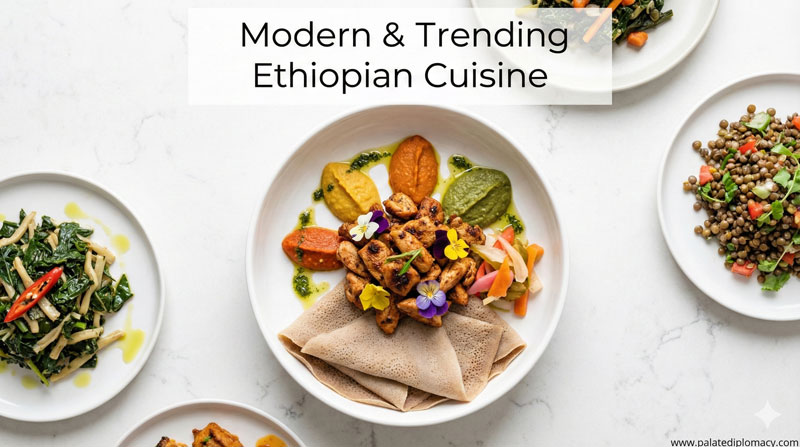
A vegan Ethiopian bowl delights the eyes as well as the palate. Rich reds from misir wat mingle with greens from gomen and yellows from atkilt. The textures vary: creamy lentil stew, smooth shiro, crisp cabbage, and tender greens all in one setting. The sour bite of injera adds another layer to the tasting journey. Each spoonful can shift the balance of flavors, inviting a moment of reflection on how contrast builds harmony. This visual and textural richness reflects a cultural respect for complexity that remains welcoming to new diners.
Regional Varieties and Seasonal Rhythm
Across regions, bowls adapt to local produce and traditions. In some areas, garlic and onions lead the flavor base; in others, greens and cabbage share the spotlight. Seasonal vegetables shift the profile of the bowls without breaking the core idea: a plant-forward plate served with warmth and hospitality. Even with regional tweaks, the bowls retain a recognizable structure: injera, a few key wots, and a vibrant mix of vegetables. This consistency alongside local variety mirrors a culture that values rooted traditions while embracing fresh seasonal abundance.
The Craft of Home Cooking and Community Kitchens
Home kitchens bring these bowls to life with care. Families select legumes with patience, soak teff for injera, and simmer sauces slowly to develop depth. The process teaches focus, timing, and respect for ingredients. Community kitchens, too, echo these lessons, turning simple legumes and greens into nourishing bowls for many. In both homes and kitchens, the act of preparing vegan bowls becomes a small daily ritual of care. The result is cuisine that feels personal, practical, and generous.
A Modern Plate with Deep Roots
Today, vegan Ethiopian bowls find new life in restaurants and homes around the world. Yet their appeal remains deeply rooted in tradition. The bowls adapt to different dining styles while preserving the core values: plant-based nourishment, shared enjoyment, and a respectful pace of eating. Modern variations may feature more variety in greens or a wider range of legumes, but they keep injera as the plate’s heart. This balance between adaptation and fidelity highlights the enduring beauty of Ethiopian food culture.
Conclusion
How Vegan Ethiopian Bowls Reflect Ethiopian Food Culture is more than a description of a dish. It is an appreciation of how food carries memory, community, and identity. The bowls teach us to honor ingredients, to welcome friends to the table, and to savor the interplay of textures and flavors. They celebrate the art of nourishment and the joy of sharing a meal that is both simple and deeply meaningful. In every bite, we taste a tradition that invites curiosity, gratitude, and connection. This is the quiet power of Ethiopian vegan bowls: nourishment that nourishes culture as it nourishes people.