
Introduction
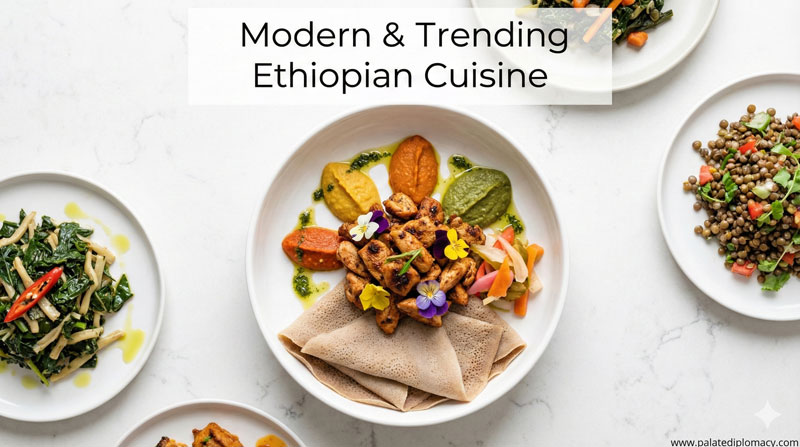
The Story Behind Vegan Ethiopian Bowls, a Favorite Ethiopian Food invites readers into a warm, fragrant kitchen. This dish centers on plant-based goodness served in a simple, beautiful bowl. It blends tender legumes, bright vegetables, and bold spices with the soft tang of injera. The result is a meal that feels both everyday and festive. In every bite, you sense a careful balance of tradition and creativity. The bowls welcome you to slow, mindful eating and joyful sharing.
Cultural Value
Ethiopian bowls carry a rich sense of hospitality and togetherness. They bring people to the table with care and consideration. The shared act of eating from one vessel embodies trust and community. The flavors honor seasonal harvests and everyday staples alike. Vendors, families, and cooks pass down techniques with quiet pride. This dish shows how food can tell stories through texture, aroma, and color, without words. In short, vegan bowls celebrate nourishment, family, and the beauty of communal meals.
Core Ingredients and Flavors
The foundation rests on injera, a sour, spongy flatbread that forms both plate and utensil. Teff flour gives injera its distinct tang and resilience. Layered atop are legumes like red lentils (misir) and sometimes chickpeas, simmered with onions, garlic, and tomatoes. Berbere spice adds warmth, while cumin, coriander, and paprika bring depth. Vegetables such as carrots, potatoes, cabbage, and leafy greens brighten the bowl. Olive oil or sesame oil rounds out the flavors, adding a gentle gloss. The result is a tapestry of savory, tangy, and slightly sweet notes that sing in harmony.
The Role of Injera in the Bowl
Injera is more than bread here; it is a natural plate. Its texture soaks up sauces, enriching every bite. Its aroma ties meals to the day’s harvest and to traditional kitchen routines. When folded into the bowl, injera anchors the dish and guides the eating experience. Diners scoop with pieces of bread, weaving textures and flavors together. This approach highlights balance, as sourness from injera complements the mellow heat of the stews. The technique invites patience and mindful tasting with each mouthful.
Techniques and Craft
The kitchen rhythm is clear and practical. Start by softening onions until they glow, then build layers with garlic, spices, and tomatoes. Simmer lentils until tender, allowing flavors to meld slowly. For the greens and vegetables, a brief, bright sauté preserves color and bite. Finally, arrange the components on injera with care, so every layer can be enjoyed in concert. vegan adaptations emphasize plant oils instead of animal fats, keeping richness while honoring tradition. Clean, straightforward steps let the ingredients shine.
Regional Flair and Seasonal Influences
Across regions, bowls adapt to available produce and family recipes. Some kitchens favor stronger berbere blends for a bolder profile; others lean toward lighter, citrusy notes. Seasonal vegetables bring brightness in the spring and heartier warmth in the autumn. The same dish can feel brisk in one home and comforting in another, yet it remains united by technique and purpose. This flexibility celebrates the shared language of Ethiopian cooking while honoring local voices and tastes.
How to Enjoy and Share
Enjoy the bowls at a relaxed pace, savoring each element. Start with a bite that includes injera, lentils, and greens for a balanced mouthful. Add a touch more spice if you like, then fold and scoop to blend textures. Pair the meal with a bright tea or a light, roasted coffee sip to round out the experience. The bowls invite conversation about ingredients, methods, and memories. Sharing a vegan Ethiopian bowl becomes a gentle celebration of flavor and friendship.
Caring for the Craft
Keep the tradition alive by valuing care and consistency in preparation. Fresh ingredients, clean knives, and patient simmering matter. Respect for teff, spices, and legumes shines through in the final dish. Pass down tips like How to balance acidity, how long to simmer lentils, and how to layer flavors thoughtfully. This is a craft built on observation, practice, and generosity.
Closing Thoughts
The Story Behind Vegan Ethiopian Bowls, a Favorite Ethiopian Food offers more than sustenance; it offers resonance. It is a meal that speaks of harvest, craft, and welcome. Each bowl is a small celebration of Ethiopian culinary spirit, inviting everyone to taste the artistry of plant-based cooking. May you enjoy its warmth, clarity, and timeless appeal, again and again.