
Discover the Unique Taste of Vegan Polish Dishes in Poland
This blog introduces a plant-powered approach to Polish food. It highlights the cultural value and culinary significance of vegan Polish dishes found across Poland. The focus stays on tradition, craft, and living flavors that celebrate seasonal produce and regional methods. Expect clear, inviting language and a warm look at Poland’s vegan kitchen.
A Taste rooted in Polish tradition
Polish vegan dishes carry a long, patient history. Farmers, markets, and home kitchens shape every plate. The dishes honor the land: beets from autumn fields, cabbage from spring harvests, and mushrooms gathered after rain. The result is a cuisine that feels comforting, real, and deeply connected to the seasons. People come to the table not just for sustenance, but for memory, shared stories, and a sense of place. The vegan forms of classic meals reveal how tradition can adapt with care and creativity. This is how the dish earns its cultural value: through taste, technique, and the relationships it nourishes.
Core ingredients and seasonal magic
Vegan Polish cooking leans on accessible, hardworking ingredients. Potatoes, cabbage, beets, buckwheat, rye, and barley are common anchors. Mushrooms provide savory depth, often standing in for meat with a strong, earthy profile. Dill, parsley, garlic, and onions brighten every pot. Sauerkraut offers tang and texture that pair beautifully with gentle grains and soft dumplings. The season guides the menu: fresh spring greens, hearty autumn roots, and winter soups simmered to warmth. The result is a pantry that invites experimentation while staying true to regional flavors.
Techniques that elevate plant-based dishes
Careful technique makes vegan Polish dishes shine. Slow simmering builds depth without dairy. Doughs for pierogi and kluski turn silky with modest kneading and resting. Frying mushrooms lightly releases moisture and aroma, then layering them into sauces creates a strong, satisfying finish. Fermentation adds brightness and complexity, especially in beet soups and cabbage preparations. Plating emphasizes texture: creamy fillings, chewy dumplings, crisp edges, and tender vegetables. The craft feels precise yet welcoming, inviting cooks of all levels to participate and learn.
Signature dishes to seek and savor
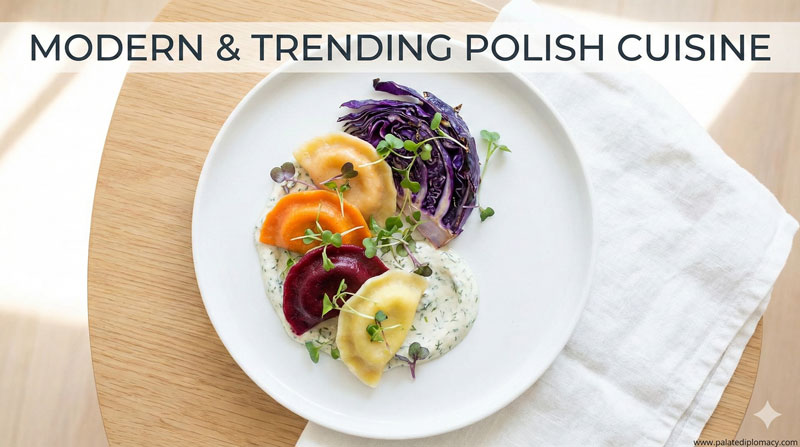
- Pierogi stuffed with potatoes and mushrooms: soft dumplings with a savory, aromatic filling. They pair well with caramelized onions and a splash of vegan butter or oil.
- Barszcz czerwony (red beet soup) with a mushroom twist: a bright, clear broth warmed with beets and herbs.
- Zupa grzybowa (mushroom soup): a comforting bowl with forest flavors and a gentle creaminess from plant-based accents.
- Placki Ziemniaczane (potato pancakes): crisp edges and a tender center, often served with a yogurt-style vegan sauce it complements the dish’s texture.
- Kasza gryczana (buckwheat) with sautéed mushrooms and cabbage: a simple, hearty plate that highlights grain and greens.
- Gołąbki (cabbage rolls) filled with rice or barley and mushrooms: tender leaves, savory filling, and a light tomato sauce finish.
These dishes show how vegan Polish cooking can be expressive, comforting, and celebratory all at once.
The social thread: meals, gatherings, and rituals
Food in Poland often centers on community. Vegan dishes fit beautifully into family dinners and festive occasions. A shared pot, a warmed kitchen, and a table of friends create a sense of belonging. Chefs and home cooks alike test new plant-forward ideas while honoring established recipes. In this way, vegan Polish Cuisine becomes a living tradition: it honors the old while inviting the new. The result is a cuisine that welcomes visitors and locals to share, taste, and remember together.
Regional highlights and modern pockets
Poland’s regions bring distinct flavors to vegan plates. Mountain valleys contribute mushrooms and barley; eastern towns emphasize beets and cabbage; urban centers blend modern techniques with garden freshness. Farmers’ markets, cookbooks, and small studios showcase plant-based Polish cooking for locals and travelers alike. Modern eateries experiment with textures and sauces, while still rooting dishes in seasonal produce and traditional sensibilities. This balance—respect for heritage and curiosity for today—gives vegan Polish dishes their regional charm and universal appeal.
The future of vegan Polish cuisine
Vegan Polish dishes continue to evolve with care and craft. Home cooks share tips for simple breakfasts, hearty mains, and comforting soups. Restaurants experiment with plant proteins, seasonal greens, and clean, bright flavors. The trend stays grounded in culture: food that invites conversation, nourishes the body, and honors the land. The future looks flavorful and inclusive, inviting more people to explore Poland’s culinary soul through vegan plates.
Practical notes for readers and visitors
- Seek out local markets and home kitchens to taste fresh, seasonal vegan dishes.
- Look for classic staples adapted with plant-based ingredients; you will often find comforting versions of familiar flavors.
- Pair dishes with herbal teas or light, savory broths to enhance the tasting experience.
- Remember that the joy of vegan Polish cooking lies in sharing, learning, and celebrating the season.
A warm invitation to explore
The dish Discover the Unique Taste of Vegan Polish Dishes in Poland invites curiosity, respect, and delight. It invites you to slow down, notice the color and aroma of a simmering pot, and savor the way plant-based ingredients carry a place and a tradition. If you seek food that speaks of land, craft, and community, you will find it here. Welcome to a cooking culture that honors the farmer’s field, the kitchen’s warmth, and the joy of a table shared with friends.