
Introduction
Discover the Bold Flavors of Vegetable Roti invites readers to a celebration of color, texture, and aroma. This dish blends the humble wheat flatbread with a vibrant filling of vegetables and spices. It stands as a testament to everyday cooking that delights the senses and honors shared meals. In every bite, you can feel the care that goes into choosing fresh produce, blending spices, and shaping bread that carries warmth from the pan to the plate. The dish offers a welcoming window into a kitchen where vegetables meet simple grain, creating balance, delight, and lasting memories.
What is Vegetable Roti?
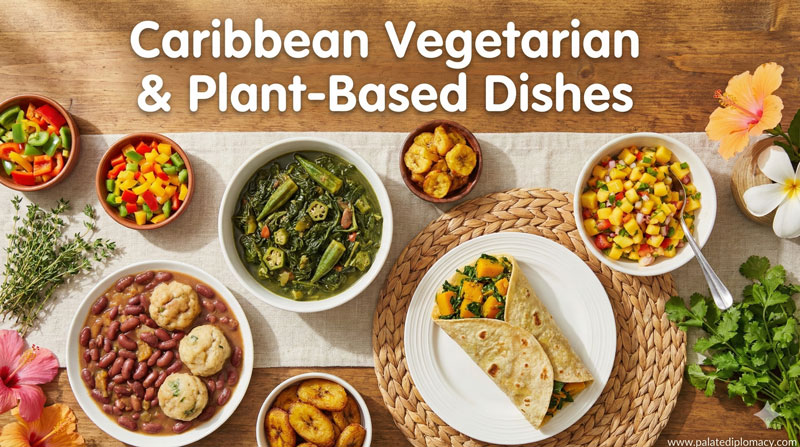
Vegetable Roti is a soft, round flatbread filled or folded with a fragrant vegetable mixture. The dough is usually made from whole wheat flour, a touch of salt, and water, rolled thin and cooked on a hot pan. The filling combines diced vegetables such as peppers, carrots, peas, spinach, and onions with spices like cumin, coriander, turmeric, and fresh ginger. Some cooks fold the vegetables inside the dough, creating a pocket that steams as it cooks. Others place the filling on the surface and roll the bread around it. Either method yields a warm, tender bread with a colorful interior. What remains clear is the harmony between grain and garden, between simple technique and expressive flavor.
Flavor Profile and Texture
Vegetable Roti delivers a lively flavor profile through balance and contrast. Earthy cumin and coriander create a warm base, while turmeric adds a gentle glow of color and aroma. Ginger and garlic spark the dish with brightness, and green chilies or black pepper offer a mild heat that sings with the vegetables. The vegetables themselves provide sweetness, crunch, and a quick bite of tenderness. The result is a bread that is soft on the inside with a subtle crisp at the edge when it rests on a hot pan. The aroma invites you in before you taste, and the colors—green, orange, and golden hues—make the plate feel joyful and vibrant.
Traditional Techniques, Modern Twists
The preparation blends time-tested methods with fresh ideas. Rolling the dough evenly ensures a tender texture, while tempering spices in a small amount of oil or ghee releases their full aroma. Sautéing vegetables quickly preserves their color and bite, then folding them into the bread creates a unified eating experience. Some cooks finish with a light brush of ghee for a glossy finish; others keep it dairy-free for a clean, bright taste. Modern twists might include adding paneer for creaminess, or using seasonal greens for a vivid, contemporary twist. Regardless of the variation, the technique remains accessible, inviting cooks of all levels to explore and enjoy.
Cultural Value and Culinary Significance
Vegetable Roti occupies a special place in everyday meals and festive spreads alike. It represents the art of turning simple ingredients into something comforting and nourishing. The dish highlights the essential relationship between harvest produce and staple bread, a pairing found in many regional kitchens. Its versatility supports family routines, gatherings, and celebrations, making it a shared experience rather than a solitary one. The colors, textures, and fragrances connect cooks across generations, reinforcing a sense of place and belonging. By elevating vegetables within a familiar bread, the dish honors both garden abundance and pantry staples, proving that thoughtful combinations can shine with delightful complexity.
Pairings, Occasions, and Serving
Vegetable Roti pairs beautifully with yogurt-based sauces, tangy chutneys, and bright salads. A cool raita or a light pickle complements the warmth of the spices. It works well as a quick lunch, a brunch centerpiece, or a comforting dinner component. For gatherings, serving the roti with a trio of dips or a simple dal allows guests to tailor bites to their taste. The dish also travels well for picnics or lunch boxes, maintaining its softness and flavor with a light wrap. In every setting, Vegetable Roti adds a touch of thoughtful, home-like hospitality to the table.
Sourcing and Freshness
Choosing fresh vegetables and good-quality flour elevates the dish. Look for crisp peppers, sweet carrots, and tender greens. Fresh ginger and garlic amplify aroma without overpowering the vegetables. Whole wheat flour adds nutty depth and a satisfying bite. Dried spices should be aromatic but not burnt. Local markets often offer a colorful selection that inspires creativity while supporting sustainable farming. By prioritizing freshness and balance, you honor the beauty of the ingredients and the craft of the dish.
Conclusion
Vegetable Roti invites curiosity and warmth in every bite. It is a dish that celebrates vegetables, grain, and the skill of careful preparation. With its bright flavors, soft texture, and inviting aroma, it stands as a meaningful part of shared Food Culture. Whether enjoyed as a everyday staple or a special treat, Vegetable Roti offers a delicious reminder of how simple elements can come together to tell a rich culinary story. Try it, savor its layers, and let the bold flavors guide you to a deeper appreciation of the dish and its place in the kitchen.