
What Vegetable Roti Is
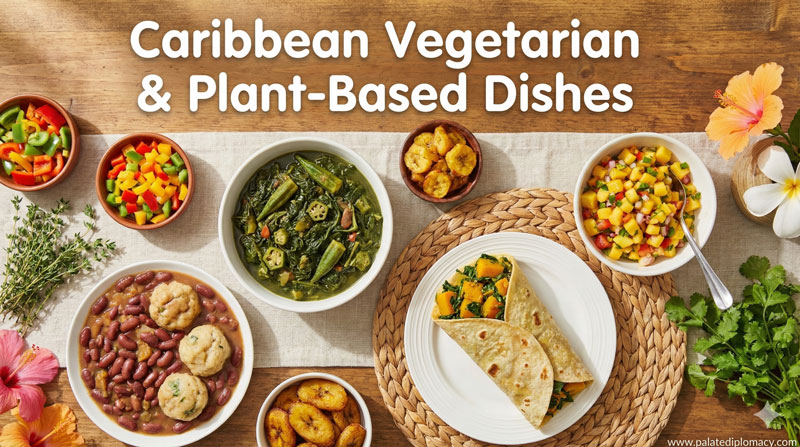
Vegetable roti is a soft, round flatbread filled with a colorful mix of vegetables. The dough is simple: flour, water, a pinch of salt, and a touch of oil. The filling blends potatoes, carrots, peas, cabbage, and onions with spices like cumin, coriander, turmeric, and curry powder. The result is a warm, fragrant package that feels friendly to the hand and generous at the table. This dish invites hands-on cooking and mindful tasting, making every bite a small celebration of everyday skill and kitchen care. In the Caribbean, vegetable roti shines because it brings texture, aroma, and balance to a single, satisfying meal.
Why It Holds Cultural Value
Vegetable roti sits at the Heart of many Caribbean family tables. It travels easily from kitchen to table, carrying the warmth of home cooking and the joy of shared meals. The dish is a canvas for memory and practice, handed down through generations with each grandmother’s twist and each new cook’s tweak. It also offers an inviting way to showcase seasonal produce and personal preferences. When the dough meets the fragrant filling, the moment feels communal and comforting. In markets, street stalls, and home kitchens, vegetable roti acts as a bridge between daily life and special occasions, making ordinary days feel a little brighter and more festive.
The Culinary Signature: Flavor and Texture
The appeal of vegetable roti rests on its texture and aromatics. The bread is delicate yet sturdy, soft enough to wrap around a generous filling and strong enough to hold sauces without tearing. The filling offers a pleasing contrast: crisp vegetables softened by spices, with a hint of bite from onions and peppers. Spices bloom in the cooking oil, releasing warmth and depth that carry through each bite. The combination of the tender roti and the savory vegetables creates a harmony that is instantly comforting. This balance is a signature of Caribbean home cooking—bright, savory, and endlessly satisfying.
Regional Flavors and Variations
Across the Caribbean, cooks adapt vegetable roti to local produce and taste preferences, giving each version a distinctive character. In some places, the filling may feature potatoes and chickpeas for heartiness, while in others, cabbage, spinach, and peppers take center stage. The spice blend can lean toward milder, fragrant notes or toward a bolder curry warmth, depending on regional palates and available ingredients. Some kitchens finish the roti with a light brush of oil to intensify shine and tenderness, while others leave it ungreased for a drier, crisper edge. These variations highlight the dish’s versatility and its role as a flexible, welcoming meal option that honors seasonal produce and home-cooked technique.
Pairings and Serving Traditions
Vegetable roti is often served with a selection of chutneys, pickles, and curry dishes, which elevate the experience with bright contrasts. A tangy mango chutney or tamarind sauce can brighten the plate, while a smooth lentil or vegetable curry provides a satisfying rush of warmth. A small portion of hot pepper sauce can offer a personal kick for those who like it spicy, and lime wedges add a final, fresh brightness. The presentation is generous and inviting: a stack of roti, a pot of gently spiced vegetables, and a platter of condiments. This arrangement invites sharing, conversation, and the simple joy of tasting together.
Cooking at Home: Tips for a Perfect Vegetable Roti
Creating a memorable vegetable roti at Home comes down to technique and timing. Here are practical steps to help you achieve soft, flavorful results:
– Plan the dough and filling side by side. Rest the dough for at least 15 minutes to relax the gluten.
– Use warm water to bring the dough together, and knead until smooth, then cover to rest.
– Prepare a vibrant filling: parboil denser vegetables like potatoes, then fold in lighter vegetables such as peas and shredded cabbage.
– Bloom the spices briefly in a teaspoon of oil to release fragrance before adding the filling.
– Roll the dough into evenly thin rounds. If the dough sticks, dust lightly with flour; avoid over-rolling, which can dry the bread.
– Cook on a hot, lightly oiled skillet or tawa. Turn once the bottom is lightly golden, then press gently to help the roti puff and soften.
– Keep finished rotis warm in a clean cloth or wrapped in foil as you finish the rest.
– Serve with your chosen chutney, curry, and fresh lime for brightness.
A Dish for Sharing and Celebration
Vegetable roti thrives in social moments. It brings people together around the table for relaxed meals, weekend gatherings, and spontaneous tastings. The act of preparing and sharing roti becomes a small ritual—kneading, rolling, filling, and passing the bread—each step strengthening the sense of community and care in the kitchen. The dish’s popularity rests on its accessible ingredients, its comforting flavors, and the way it invites cooks of all levels to participate and adapt.
A Gentle Finale: The Spirit of Vegetable Roti
In the Caribbean, vegetable roti embodies a friendly, welcoming spirit on the plate. It celebrates freshness, craft, and variety, reminding us that a single dish can unite taste, texture, and memory. Whether enjoyed as a quick weeknight meal or a centerpiece for a longer gathering, it offers nourishment with grace. By honoring its simple origins and embracing its adaptable character, we can appreciate vegetable roti as a color-filled, flavorful, and enduring part of Caribbean culinary culture.