
Introduction
Vegetable roti has become a beloved staple in kitchens across the Caribbean. This soft, round flatbread cradles a colorful filling of vegetables, herbs, and spices. Its simple technique and adaptable fillings invite creativity, making It a welcoming canvas for everyday cooking. The dish shines in homes, markets, and roti shops alike, where warmth, aroma, and flavor invite conversations and smiles.
What is Vegetable Roti?
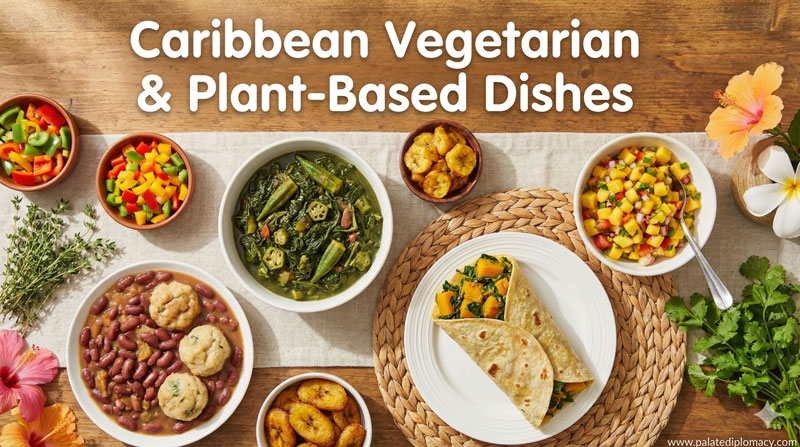
Roti is a versatile flatbread made from flour, water, a touch of oil, and salt. It is rolled thin and cooked on a hot skillet until lightly charred, airy, and pliable. The true delight comes when it is filled with vegetables that glow with color and fragrance. Common fillings include potatoes, spinach, callaloo greens, carrots, cabbage, eggplant, peppers, and peas. Each bite blends the softness of the bread with the bite and brightness of the vegetables. Spices such as curry powder, cumin, coriander, garlic, and ginger give warmth without heaviness. The result is a compact, satisfying wrap that feels comforting and fresh at the same time.
Cultural Value of Roti Across the Caribbean
In Caribbean kitchens, vegetable roti is more than a meal—it is a shared ritual. Families gather around the counter or the stove, exchanging tips as dough rests and vegetables simmer. The process invites patience and care: kneading the dough, rolling it just so, and watching it puff when it hits the hot pan. The aroma travels through rooms, sparking anticipation and conversation. Markets and roti shops feature the dish as a dependable option for lunch and supper, a reliable favorite that travels well from home to street corner to picnic blanket. The practice of passing a warm roti across the table creates a small, daily ritual of connection and hospitality. It invites neighbors, friends, and visitors to pause, savor, and share.
Culinary Significance and Taste Philosophy
Vegetable roti embodies balance. The bread’s gentle chew and delicate flavor frame the bright, layered fillings. The dish celebrates texture: a tender exterior with a sturdy, flavorful interior; a slight crisp at the edges where the bread meets the pan; and the crunch or bite of vegetables inside. The beauty lies in adaptability. Seasonal produce, regional spices, and personal preferences shape the filling, turning a single roti into a personal statement. When cooked with care, the filling remains crisp-tender, while the bread stays pliable enough to wrap without breaking. This harmony makes vegetable roti a reliable vehicle for bold flavors and fresh produce.
Regional Variations and Inspirations
Across the Caribbean, cooks tailor fillings to local tastes and ingredients. Some popular directions include:
– Aloo roti: potato curry folded inside a soft wrap, a classic favorite in many kitchens.
– Sabji roti: a mix of vegetables like cabbage, carrot, peas, and peppers with light spice.
– Callaloo roti: greens such as callaloo or spinach combined with a gentle seasoning.
– Channa roti: chickpeas or lentils with curry spices for a hearty, protein-rich option.
– Pumpkin or squash roti: gentle sweetness from squash balanced with spices.
These variations reflect a shared love for fresh vegetables and fragrant spices. The result is a family of roti styles that feel both distinct and familiar, wherever you encounter them in the region.
Serving, Pairings, and Presentation
Vegetable roti shines when paired with bright accompaniments. Mango chutney or tamarind chutney adds a sweet-tangy note that cuts through the richness. A small dish of pepper sauce provides a lively kick for those who enjoy warmth. A lime wedge brightens flavors just before a bite, while a dollop of yogurt or a light herb chutney can cool the palate. For A Complete meal, serve roti with a side of lentil or bean curry and a fresh green salad. The presentation is simple yet inviting: a warm roti wrapped around a vibrant filling, ready to be enjoyed with hands or cutlery as you prefer.
The Joy of Sharing and Community Flavor
One of the most enduring messages of vegetable roti is sharing. A single roti can become part of a larger gathering—an invitation to taste, learn, and connect. The dish travels through households, markets, and road-side stalls, inviting people to swap tips, try new fillings, and celebrate the abundance of local harvests. This spirit of sharing elevates the dish from sustenance to social art. Each roti tells a story of care, craft, and collaboration, reinforcing how food can bring people together in warmth and respect.
Seasonal and Sustainable Thinking
Vegetable roti thrives on fresh, seasonal produce. Home cooks often choose vegetables that are ripe and flavorful at the moment, which supports local growers and minimizes waste. The dough offers a forgiving canvas for improvisation, encouraging creative use of what’s on hand. When seasonal greens, peppers, and roots are at their best, the result is bright, satisfying, and instantly accessible. The dish also lends itself to quick weeknight meals and leisurely weekend feasts alike, making it a flexible staple in many households.
Quick Tips for Home Cooks
- Rest the dough: a brief rest helps the gluten relax, making it easier to roll thin.
- Roll evenly: aim for uniform thickness to ensure even cooking and a soft, pliable roti.
- Use a hot pan: a hot skillet helps achieve a light char and a delicate puff.
- Keep fillings colorful: a variety of vegetables adds flavor, texture, and visual appeal.
- Balance spices: start with a modest spice blend and adjust to taste so the vegetables shine.
Closing Thoughts
Vegetable roti embodies the beauty of Caribbean cooking: simple ingredients, thoughtful technique, and a spirit of sharing. It invites cooks to celebrate color, aroma, and texture while honoring local produce and time-honored methods. Whether enjoyed as a quick lunch, a family supper, or a flavorful snack at a market stall, the dish offers warmth, balance, and a sense of belonging. In every bite, you taste care, community, and the enduring delight of a versatile flatbread that has found its place in the heart of Caribbean Food Culture. Try a roti at home, experiment with fillings, and savor how this humble wrap can carry you to a table full of sunshine and connection.