
How Vegetable Roti Became Popular Across the Caribbean
This dish grew in kitchens across the Caribbean. It pairs a soft, warm flatbread with crisp vegetables. The result is inviting, nourishing, and versatile. It shines in homes, markets, and small eateries. In this post, explore its cultural value and culinary significance. See how it fits into meals, gatherings, and everyday life. The focus stays on flavor, craft, and shared enjoyment.
The Dish That Travels: What Is Vegetable Roti?
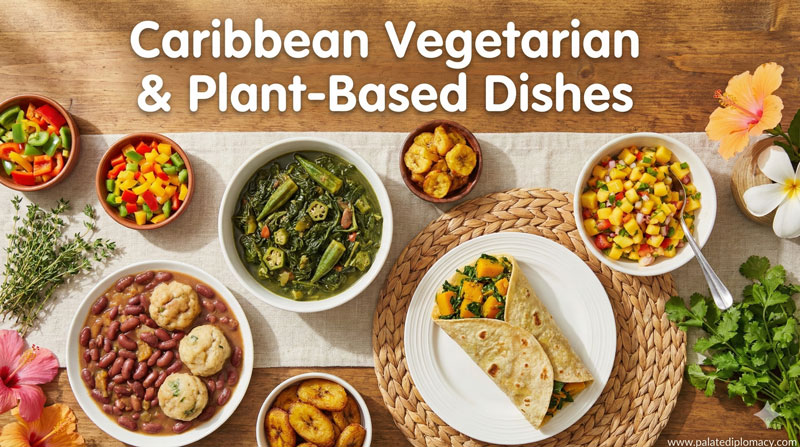
Vegetable roti is a soft, thin flatbread wrapped around a warm vegetable filling. The bread is pliable and comforting. Common fillings include carrots, potatoes, peas, cabbage, and peppers. Cooks add onions, garlic, and curry spices for aroma. The result is a bright, flexible wrap. It can be a standalone meal or paired with chutneys and sauces. The dish welcomes many fillings and spice levels, making it accessible for many palates.
The Craft Behind the Flatbread
A simple dough forms the base. Use flour, water, salt, and a touch of oil. The dough rests briefly, then rolls into round shapes. A hot pan or griddle cooks the bread until it softens and badges appear. The bread must stay tender and warm. It opens gently to hold the filling, creating a pocket or a wrap. The craft relies on heat, timing, and care. The result is bread that carries the flavors easily.
Filling and Flavor: A Quick Guide
Vegetables meet spices like cumin, turmeric, coriander, and garlic. Potatoes add heft, carrots add sweetness, peas add bite, and cabbage adds crunch. Colors come alive in each bite. Chutneys and pepper sauces provide bright contrasts. The warm roti carries the blend smoothly. Some regional styles use a touch of coconut milk for richness. Texture matters: soft bread around crisp vegetables, with a gentle creaminess in some twists.
Regional Echoes Across the Caribbean
Across the Caribbean, cooks tailor the dish to local tastes. In some places, the filling favors potatoes and chickpeas with curry. In others, coconut milk or palm oil adds gentle richness. Spices mix differently, giving each region a distinct aroma. The result is a family-friendly dish found in homes, markets, and eateries. The same roti supports many stories of everyday life, celebrations, and shared meals.
The Social Side of a Simple Roti
Vegetable roti brings people together. Families cook it for weekend lunches. Neighbors share extras after a market trip. Vendors offer hot wraps on busy days. The dish travels well, making It a favorite for picnics and gatherings. Wrapping vegetables in warm bread invites conversation, smiles, and a sense of belonging. It thrives on friendly exchanges and welcoming kitchens.
Serving Ideas and Traditions
Serve roti warm with chutneys, tamarind sauce, or spicy pepper sauce. A squeeze of lime brightens the filling. Fresh herbs add a fragrant note. Each bite pairs with curry vegetables or a light salad. It fits breakfast, lunch, or a simple dinner. Sharing roti reflects care for family and friends. The ritual stays practical and joyful.
A Closing Note: The Beauty of Vegetable Roti
The dish shines in its adaptability and warmth. It respects ingredients, honors craft, and invites creativity. Across the Caribbean, vegetable roti stands as a tasty symbol of comfort, community, and culinary imagination. Each bite tells a story of flavor, friendship, and everyday delight.