
Introduction
Vegetable roti has found a warm home across the Caribbean, celebrated for its gentle texture, bright fillings, and inviting aroma. This post explores its cultural value and culinary significance. We will journey through the craft, the flavors, and the everyday moments that make vegetable roti a beloved staple. The Story is one of shared tastes, evolving techniques, and a dish that invites creativity each time it appears on a plate.
The Flavorful Core of Vegetable Roti
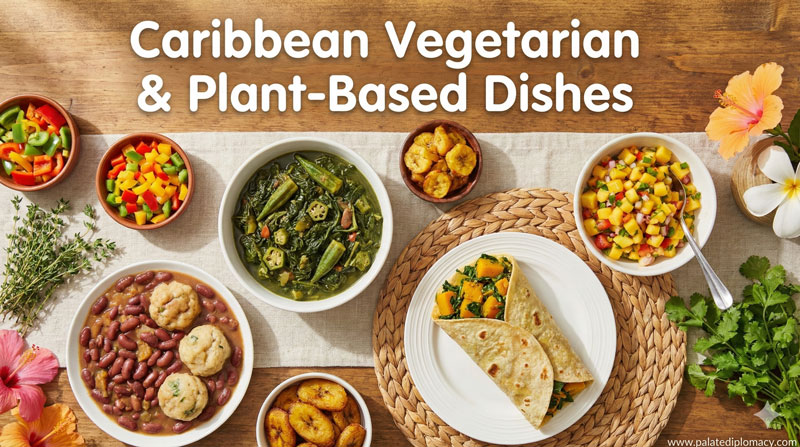
At its heart, vegetable roti is a soft, round bread that embraces a colorful filling. The bread carries a subtle sweetness and a satisfying chew, while the filling bursts with garden freshness. Local markets often showcase peppers, carrots, peas, spinach, and potatoes, all chopped or sliced for quick cooking. The combination yields a lively spectrum of colors and textures. Fragrant spices weave through the mix, providing warmth without overpowering the vegetables. In this way, vegetable roti becomes both a comforting meal and a showcase for seasonal produce.
The Filling and Its Local Character
The filling is where tradition meets personal taste. Common elements include diced vegetables sautéed with curry powder, cumin, coriander, turmeric, garlic, and ginger. The result is a balanced palette of earthy, bright, and gently spicy notes. Some cooks add coconut milk or a splash of lime to brighten the mix, while others keep a crisper, drier filling to complement the soft bread. The beauty of the filling lies in its adaptability: any combination of vegetables you love can shine when seasoned with care. This flexibility makes vegetable roti a prime vehicle for home cooks and street vendors alike to express regional flavor while staying familiar.
The Craft: Dough, Rolling, and Fire
The dough starts simply: flour, water, a pinch of salt, and sometimes a touch of oil. Kneading brings it together into a smooth, soft ball. After resting, the dough rests a moment longer on the counter, then divides into small portions. Each portion becomes a round, flat disc through careful rolling. The discs ride onto a hot, dry skillet or a traditional tawa, where they puff and blister in spots. A quick flip masters a tender crust and a faint, toasty aroma. Some cooks brush the finished roti with a little ghee or oil for shine and fragrance. The technique is approachable, yet it rewards patience and steady hands.
Roti at Caribbean Tables
Vegetable roti shines as A Complete meal or a satisfying accompaniment. It pairs beautifully with curries, dhal, or chickpea fillings, and it also makes a hearty wrap for lunch on the go. When served on a plate, a roti can cradle a spoonful of vegetable curry, a side of chutney, or a tangy pickle. The warmth of the bread and the brightness of the filling invite bites that are at once comfortingly familiar and quietly exciting. The dish encourages sharing and discussion around the table, as friends and family compare fillings and rolling methods with friendly curiosity.
Regional Variations and Pairings
Across the Caribbean, roti traditions vary, yet the vegetable version remains a steady favorite. In some places, cooks favor softer, puffier roti that feels almost cloud-like when torn apart. In others, the roti is thinner and more resilient, perfect for rolling around a vibrant vegetable medley. Fillings reflect local produce and seasonal markets, from crescent-sweet peppers to tender greens. People also pair roti with a wide range of sides: a fresh lime squeeze, a dollop of yogurt, or a spoonful of tangy chutney. The result is a menu of textures and flavors that feel both distinct and universally welcoming. This diversity is a celebration of regional pride and culinary curiosity.
The Cultural Value of Vegetable Roti
Vegetable roti carries cultural meaning through its everyday use. It appears in family kitchens as a reliable, tasty option that brings people together. It travels from home to market stalls, becoming a shared lunch for workers and students alike. The bread’s versatility mirrors the Caribbean spirit: adaptable, friendly, and ready to pair with many flavors. The dish also serves as a canvas for creativity—home cooks can adjust spice levels, switch vegetables, or experiment with fillings while preserving the core technique. In this way, vegetable roti becomes a living tradition, a daily reminder of nourishment, craft, and community.
How to Enjoy It at Home
If you would like to try making vegetable roti, start with a simple dough: mix flour, a pinch of salt, and water until the mixture forms a soft ball. Let it rest about 15 minutes. Prepare a filling with your favorite vegetables, lightly sautéed with curry powder, garlic, and ginger. Cook the dough discs on a hot skillet until they blister lightly, then fill or fold with the vegetable mix. Finish with a small squeeze of lime or a dab of chutney for brightness. The result is your own personal slice of Caribbean comfort—delightful, flexible, and ready to share.
In sum, vegetable roti stands as a bright, inviting testament to Caribbean food culture. It blends simple ingredients with thoughtful technique, celebrates seasonal produce, and invites cooks of all ages to contribute their own touch. Each bite holds a story of flavor, friendship, and everyday artistry.