
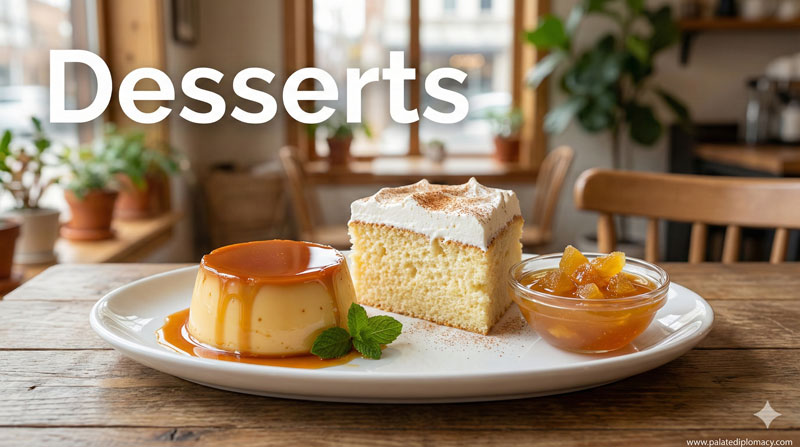
Celebrating Venezuelan Desserts: An Artistic Culinary Tradition
Venezuelan desserts are a vivid reflection of the country’s rich cultural tapestry. Each sweet treat tells a story, showcasing a blend of indigenous flavors, local ingredients, and culinary craftsmanship. These desserts are more than just a delightful ending to a meal—they embody tradition, community, and the joy of sharing. The vibrant colors, unique textures, and aromatic spices make Venezuelan sweets a true celebration of the country’s culinary spirit.
The Cultural Significance of Venezuelan Sweets
Venezuelan desserts hold a special place in everyday life and special occasions alike. They serve as a bridge that connects generations, passed down through family recipes and communal gatherings. These treats often feature locally sourced ingredients like tropical fruits, plantains, and nuts, emphasizing the nation’s agricultural richness. Sharing desserts such as arequipe, quesillo, or bienmesabe fosters a sense of togetherness and warmth. They are not only culinary delights but also symbols of Venezuelan hospitality and cultural pride.
Culinary Artistry and Unique Flavors
What makes Venezuelan desserts stand out is their inventive use of flavors and textures. For example, the smooth, caramel-like taste of arequipe (similar to dulce de leche) embodies the country’s love for sweet, milky flavors. Quesillo, a delicate caramel flan, showcases the skillful balance of creamy textures and luscious caramel topping. Each dessert is thoughtfully crafted to highlight regional ingredients and traditional techniques. This culinary artistry invites food lovers to explore the country’s unique palate and appreciate its flavor combinations.
The Role of Scaling in Venezuelan Dessert Recipes
One important aspect of Venezuelan dessert preparation is recipe scaling. This technique allows cooks to adjust ingredient quantities based on the number of servings needed, ensuring perfect results whether preparing a family-sized batch or a small, intimate dessert. Scaling preserves the integrity of the flavors and textures while making the recipes versatile and accessible. It reflects the flexible, welcoming nature of Venezuelan cuisine, where recipes can be adapted to suit different occasions and gatherings.
Preserving a Delicious Heritage
Venezuelan desserts serve as a delicious heritage, preserving traditional methods and regional ingredients. They are a testament to the country’s rich culinary history and its ongoing evolution. Each dish invites exploration and appreciation for the country’s gastronomic craftsmanship. By understanding and sharing these desserts, we honor and celebrate the vibrant culinary culture of Venezuela, inspiring others to discover and enjoy these sweet treasures.
Conclusion
Venezuelan desserts are more than just sweet treats—they are a vital part of the country’s cultural fabric. Their artistry, flavor, and tradition reveal a deep appreciation for culinary heritage. Whether enjoyed during celebrations or everyday moments, these desserts continue to delight and connect people through their timeless appeal. Embracing Venezuelan sweets means embracing a vibrant, joyful, and culturally rich culinary legacy.