
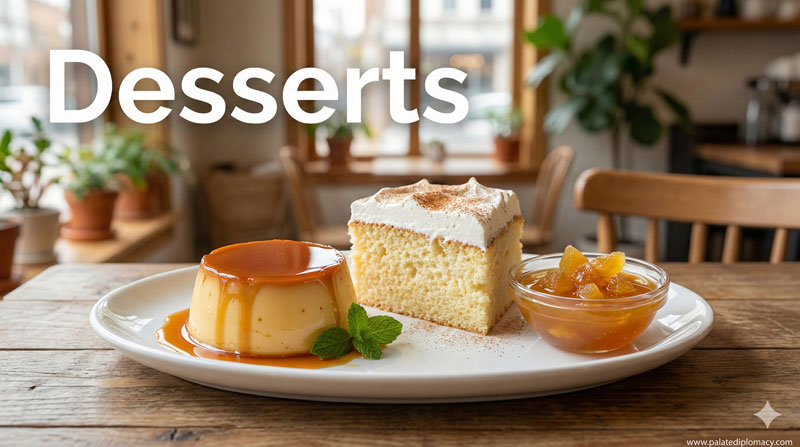
Venezuelan Desserts Presentation Tips: Celebrating Culinary Art and Cultural Heritage
Venezuelan desserts are more than just sweet treats; they are vibrant expressions of the country’s rich cultural tapestry. Showcasing these desserts with thoughtful presentation enhances their beauty and honors the culinary artistry behind each creation. In this blog, we explore the cultural significance of Venezuelan sweets and share tips to elevate their presentation, making every dish a feast for both the eyes and the soul.
The Cultural Richness of Venezuelan Desserts
Venezuelan desserts embody a fusion of indigenous traditions, local ingredients, and festive celebrations. From the creamy textures of Quesillo to the delicate sweetness of Teté de Coco, these confections reflect regional flavors and artisanal craftsmanship. They often serve as central features during holidays, family gatherings, and community events, symbolizing warmth, hospitality, and shared joy. Presenting these desserts with care not only enhances their visual appeal but also pays homage to their cultural roots, fostering an appreciation for Venezuela’s culinary legacy.
Significance of Presentation in Venezuelan Cuisine
In Venezuelan culture, presentation plays a vital role in culinary appreciation. A beautifully arranged dessert can elevate the dining experience, turning a simple sweet into an artful centerpiece. The vibrant colors, contrasting textures, and decorative garnishes often found in Venezuelan sweets speak to the nation’s lively spirit and artistic sensibility. When served thoughtfully, these desserts embody a sense of pride and respect for tradition, making each occasion memorable and meaningful.
Tips for Showcasing Venezuelan Desserts with Elegance
While we focus on cultural value and culinary significance, the presentation techniques themselves can make a profound difference. Here are some key tips:
-
Use Traditional Serving Ware: Incorporate colorful ceramics, woven baskets, or vintage glassware that reflect Venezuelan artistic styles. This adds authenticity and highlights cultural heritage.
-
Emphasize Color Contrast: Venezuelan desserts often feature bright hues. Use fresh fruits, edible flowers, or vibrant sauces to create eye-catching contrasts that draw attention and stimulate the senses.
-
Layer and Garnish Thoughtfully: Build visual interest by layering components and adding garnishes such as shredded coconut, chopped nuts, or citrus zest. These small details enhance texture and color.
-
Incorporate Cultural Elements: Consider decorative touches like miniature flags, traditional motifs, or handmade accents that celebrate Venezuelan craftsmanship without overwhelming the dish’s natural beauty.
-
Create Symmetry and Balance: Arrange desserts with careful symmetry or asymmetry to highlight their natural beauty. Balance colors and shapes for a harmonious presentation.
The Power of Presentation in Cultural Appreciation
Presentation is a silent storyteller that conveys respect and admiration for Venezuelan culinary artistry. When desserts are served with thoughtful care, they invite admiration and appreciation for the cultural stories behind each ingredient and technique. It transforms a dessert from a simple sweet into a celebration of tradition and creativity.
Conclusion
Venezuelan desserts are an essential part of the country’s cultural landscape, offering a delicious glimpse into its rich heritage. By paying attention to presentation, we honor the artistry, history, and communal spirit embedded within each sweet. Whether you are sharing these treats during special occasions or exploring Venezuelan cuisine, remember that beautiful presentation amplifies their beauty and significance. Celebrate the vibrant flavors and cultural stories behind these desserts, making every tasting a memorable journey into Venezuela’s culinary soul.