
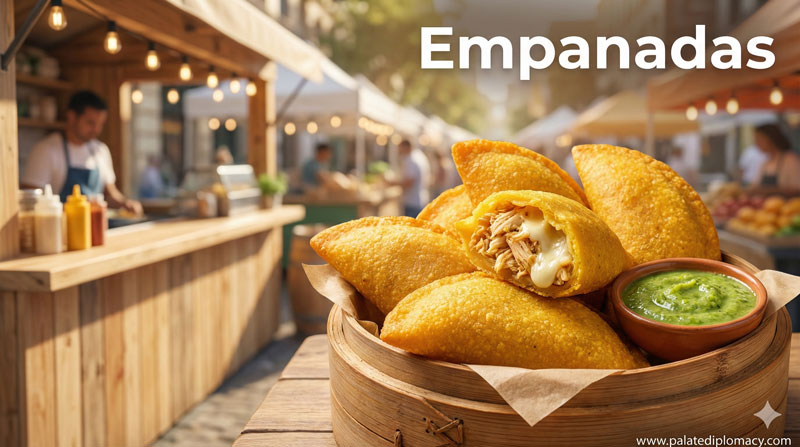
Venezuelan Empanadas Troubleshooting Common Issues: Celebrating a Culinary Treasure
Venezuelan empanadas are more than just delicious pastries; they are a symbol of cultural pride and a beloved part of the nation’s culinary landscape. These golden pockets of goodness showcase a rich history of flavors, ingredients, and traditions that have been passed down through generations. Their vibrant presence at family gatherings, festivals, and street corners reflects their importance in Venezuelan life.
The Cultural Value of Venezuelan Empanadas
Venezuelan empanadas hold a special place in the hearts of many. They are often associated with community bonding and shared joy. Whether enjoyed as a quick street snack or a hearty meal, empanadas embody the warmth and convivial spirit of Venezuelan hospitality. The variety of fillings—from cheese and black beans to shredded beef and seafood—mirrors the diverse culinary influences that have shaped the country’s food culture.
These pastries serve as a culinary canvas, allowing cooks to explore regional flavors and personal tastes. Their versatility makes them accessible to both home cooks and professional chefs, encouraging a sense of creativity while honoring traditional methods. As a cultural staple, empanadas contribute to a sense of identity and continuity, linking past and present through flavor and tradition.
Culinary Significance and Variations
Venezuelan empanadas are renowned for their unique dough, often made with corn or wheat flour, which offers a satisfying crunch and tender bite. The dough’s texture and flavor are carefully crafted to complement the fillings, creating a harmonious balance that delights the palate.
Different regions have their own take on empanadas, showcasing local ingredients and culinary preferences. For example, some areas favor baked empanadas for their crispy exterior, while others prefer fried versions that offer a richer taste. Fillings also vary widely, from classic combinations such as cheese, chicken, and beef, to more adventurous options like plantains or seafood. This diversity highlights the adaptability of empanadas and their role as a versatile dish suited to many tastes.
The Art of Perfecting Venezuelan Empanadas
While culinary perfection involves understanding techniques, it’s equally about appreciating the tradition behind these pastries. Achieving the right balance between crispy exterior and flavorful filling is a craft passed down through generations. The process involves selecting quality ingredients, mastering the dough consistency, and cooking method—whether frying or baking—all of which contribute to the final experience.
Common issues like dough tearing or uneven cooking are part of the learning journey, and troubleshooting these challenges fosters a deeper appreciation for this cherished dish. Embracing the nuances of empanada making enhances the cultural connection and elevates the home cooking experience.
Embracing a Culinary Heritage
Venezuelan empanadas are more than a snack; they are a celebration of community, tradition, and flavor. Their enduring popularity reflects their significance in daily life and festive occasions alike. Exploring and troubleshooting common issues in preparing empanadas can deepen your appreciation for this culinary gem, allowing you to enjoy the full richness of Venezuelan cuisine.
By understanding their cultural importance and culinary versatility, you can better appreciate why empanadas remain an iconic dish. Whether sharing them with loved ones or savoring a solo treat, these pastries continue to bring joy and cultural connection. Embrace the art of making empanadas and celebrate the delicious heritage they represent.