
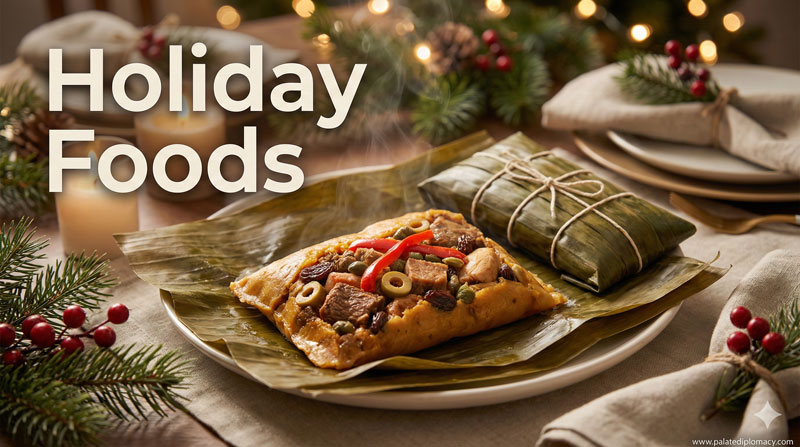
Venezuelan Hallacas Complete Preparation Guide
Venezuelan Hallacas are a beloved and iconic dish that holds a special place in the heart of Venezuelan culinary tradition. This festive delicacy, often enjoyed during special celebrations, embodies the rich cultural tapestry and culinary artistry of Venezuela. The dish’s vibrant flavors, colorful presentation, and communal preparation make it more than just a meal—it’s a cherished tradition that brings families and communities together.
The Cultural Significance of Hallacas
Hallacas have a deep-rooted cultural significance in Venezuela. They are more than a traditional dish; they are a symbol of unity and shared heritage. The process of making hallacas often involves multiple generations, with recipes passed down through families, fostering a sense of continuity and cultural pride. During the holiday season, the entire community may come together to prepare these delicious parcels, turning cooking into a lively, festive event.
This dish reflects Venezuela’s diverse cultural influences, incorporating ingredients and techniques that celebrate the country’s vibrant history. Its preparation is often seen as a labor of love, involving careful selection of ingredients like corn dough, colorful fillings, and aromatic herbs—all crafted with care and dedication. The visual appeal of hallacas, with their bright wrappers and neatly wrapped parcels, adds to the festive atmosphere and underscores their importance as a celebratory food.
Culinary Significance of Hallacas
Culinarily, hallacas are a culinary masterpiece that combines a variety of textures and flavors. The main components—corn dough, fillings of seasoned meats, olives, and capers, and a colorful plantain leaf wrapper—come together to create a harmonious taste experience. Each ingredient plays a specific role, contributing to the overall flavor profile and culinary richness of the dish.
Hallacas are also a showcase of Venezuelan ingredients that highlight the country’s agricultural bounty. The use of corn, a staple staple in Latin American cuisine, emphasizes the importance of indigenous food traditions. The addition of spices, herbs, and local produce lends a unique flavor that is both comforting and celebratory.
The preparation process itself is an art form that involves skillful craftsmanship. It requires patience, precision, and a deep appreciation for culinary tradition. Every family or community may have their own variations, making each batch of hallacas unique and personalized. This diversity reflects the versatility and adaptability of Venezuelan cuisine, celebrating local flavors and culinary creativity.
A Dish of Celebration and Community
Hallacas are more than just food; they are a celebration of Venezuelan culture and community spirit. During the festive season, friends and family gather to prepare these parcels collectively, turning cooking into a joyful event. Sharing hallacas is a gesture of love, unity, and cultural pride, making it a highlight of many seasonal festivities.
The tradition of making hallacas also fosters social bonds. It encourages storytelling, singing, and dancing, transforming the kitchen into a lively hub of cultural expression. As each family or group adds their unique touches, they contribute to a collective culinary heritage that is both personal and shared.
Final Thoughts
Venezuelan hallacas are a true culinary gem, rich in cultural symbolism and flavor. They embody the warmth, creativity, and communal spirit of Venezuelan life. Whether enjoyed during celebrations or prepared as a family tradition, hallacas continue to delight and inspire, serving as a delicious reminder of the country’s vibrant cultural identity.
For those eager to explore Venezuelan cuisine, understanding the cultural and culinary significance of hallacas offers a deeper appreciation of this extraordinary dish. It is a testament to the power of food to connect, celebrate, and preserve cultural heritage—one delicious parcel at a time.