
Discovering the Charm of Venezuelan Sides Time Management
Venezuelan cuisine is a vibrant tapestry of flavors, textures, and traditions. Among its many culinary gems, the concept of “Venezuelan Sides Time Management” stands out as a fascinating reflection of the country’s culinary philosophy. This approach emphasizes the careful planning and coordination of side dishes to create a harmonious meal. It showcases the importance of balance, variety, and cultural identity in Venezuelan food traditions.
The Cultural Significance of Sides in Venezuelan Cuisine
In Venezuela, meals are more than just nourishment; they are a celebration of community and heritage. Sides, or accompaniments, play a crucial role in these gatherings. They bring diversity to the plate, allowing the flavors of Main Dishes to be enhanced and complemented. The skillful management of these sides—referred to here as “Time Management”—ensures that each component is prepared and served at its peak, highlighting the country’s dedication to culinary precision and enjoyment.
This approach reflects Venezuelan values of hospitality and sharing. It encourages cooks to plan ahead, balancing the preparation of various sides such as rice, beans, plantains, or salads. This careful orchestration elevates the entire dining experience, making each meal a carefully curated event filled with flavors that tell a story.
Culinary Significance and Popular Side Dishes
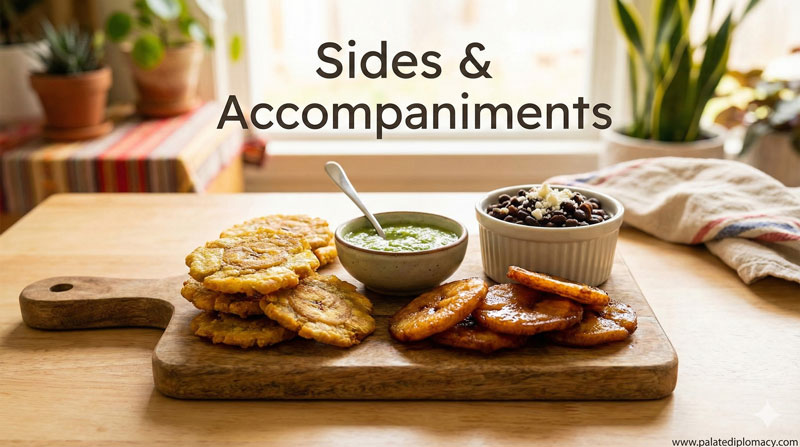
Venezuelan side dishes are celebrated for their diversity and flavor. Classic options like arepas—cornmeal cakes—serve as versatile staples that accompany a range of fillings and toppings. Black beans, often cooked with a hint of spices, add richness and depth. Fried plantains or maduros bring sweetness, contrasting perfectly with savory dishes.
The art of “Time Management” in preparing these sides involves understanding their individual cooking times and flavors. This ensures that every element reaches its ideal texture and taste simultaneously, offering a satisfying and cohesive meal. Such attention to detail underscores the culinary craftsmanship that Venezuelan cooks take pride in.
The Role of Side Dishes in Social and Festive Gatherings
Venezuelan meals are often enjoyed in communal settings, where the variety of sides encourages sharing and conversation. These dishes foster a sense of connection, turning a simple meal into a lively social event. The practice of managing the timing and presentation of sides reflects respect and care for guests, making every gathering memorable.
Festivals and family celebrations highlight the importance of these accompaniments. Whether during a Sunday family lunch or a special holiday, the thoughtful preparation of sides demonstrates cultural pride and culinary artistry. It illustrates how Venezuelans view food as a unifying force, rooted in tradition and community.
Embracing the Culinary Heritage
“Venezuelan Sides Time Management” is more than a cooking technique; it’s a window into the soul of Venezuelan culinary culture. It showcases how the country values harmony, craftsmanship, and sharing through its food. By mastering the art of timing and coordination, Venezuelan cooks create meals that are not only delicious but also rich with cultural meaning.
Exploring these side dishes and understanding their role enriches our appreciation of Venezuelan cuisine. It invites us to savor the layers of flavor, history, and community that make each meal a celebration of life and tradition. Whether you are a seasoned foodie or a curious newcomer, embracing this approach opens the door to a deeper connection with Venezuelan culinary artistry.
Conclusion
Venezuelan Sides Time Management highlights the importance of balance and meticulous planning in creating a memorable meal. It embodies the country’s culinary values—harmony, diversity, and hospitality. As you explore Venezuelan cuisine, take a moment to appreciate the artistry behind its side dishes. These accompaniments are not just additions; they are integral to the cultural tapestry that makes Venezuelan food truly special. Celebrate this culinary tradition and let it inspire your own culinary journey.