
Discovering the Cultural Significance of Venezuelan Sides
Venezuelan cuisine is a vibrant tapestry woven with rich flavors, colorful ingredients, and culinary traditions that have been cherished across generations. Among its many staples, the Side Dishes hold a special place, serving as more than just accompaniments—they embody the heart of the nation’s food culture. Exploring the cultural significance of Venezuelan sides offers a fascinating glimpse into the country’s history, identity, and community life.
A Reflection of Rich Culinary Heritage
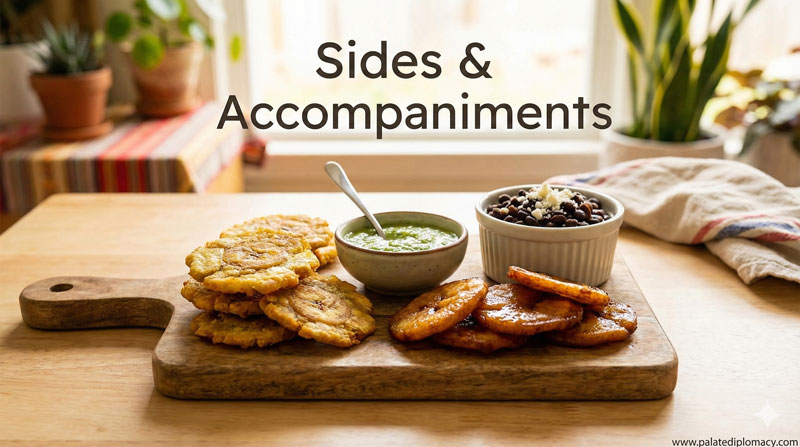
Venezuelan side dishes are a testament to the country’s diverse agricultural bounty and culinary ingenuity. Staples like arepas, yuca, black beans, and plantains are more than ingredients—they are cultural symbols that connect people to their land and history. These sides often reflect a blend of indigenous practices and regional flavors, creating a unique culinary identity that Venezuelans cherish. Each dish tells a story of tradition, adaptation, and celebration, making them an integral part of daily life and special occasions alike.
Celebrating Family and Community
In Venezuela, sharing meals is a powerful expression of family and community bonds. Sides like Pabellón Criollo accompaniments are often served during family gatherings, festivals, and communal events. They foster a sense of togetherness and cultural pride. These dishes are usually prepared with care and are deeply rooted in local customs, passed down through generations. Their presence at tables underscores the importance of unity, history, and shared identity in Venezuelan culture.
Enhancing the Culinary Experience
Venezuelan sides are known for their vibrant flavors, textures, and colors. They serve to complement and enhance the Main Dishes, creating a well-rounded and satisfying meal. Whether it’s the creamy texture of mangú or the hearty richness of black beans, each side adds depth and variety. The emphasis on fresh ingredients and balanced flavors showcases the country’s culinary ingenuity, emphasizing the importance of harmony in Venezuelan cuisine.
Cultural Significance of Ingredients
Many Venezuelan side dishes utilize ingredients that hold cultural importance. Plantains, for example, are a staple that symbolizes abundance and versatility. Yuca, or cassava, is cherished for its nourishing qualities and resilience. Black beans are a common protein source that reflect the agricultural practices of the region. These ingredients are more than just food—they are symbols of sustenance and cultural identity, woven into the fabric of Venezuelan life.
A Symbol of Heritage and Pride
The preparation and enjoyment of Venezuelan side dishes serve as a celebration of culinary heritage. They embody the resilience and creativity of the people, showcasing a deep respect for tradition and local flavors. When Venezuelans gather around a table, these sides act as a bridge connecting past and present, honoring the stories and customs that shape their identity. Their cultural significance extends beyond taste, fostering a sense of pride and continuity.
Conclusion
Venezuelan side dishes are more than mere accompaniments—they are vibrant expressions of the country’s rich cultural tapestry. They celebrate tradition, community, and the bounty of nature, making them essential elements of Venezuelan culinary heritage. Exploring these dishes provides not only a taste of Venezuela’s flavors but also a deeper understanding of its cultural soul. Whether enjoyed during festive occasions or everyday meals, Venezuelan sides invite us to appreciate the beauty and significance of shared culinary traditions.