
Exploring the Cultural Significance of Venezuelan Sides Equipment Requirements
Venezuelan cuisine is renowned for its vibrant flavors, rich textures, and diverse ingredients. At the heart of many traditional meals lie essential Side Dishes that beautifully complement the main courses. These sides are more than just accompaniments; they are a reflection of Venezuela’s culinary artistry and cultural identity. Understanding the equipment needed to prepare these side dishes offers a window into their significance and the culinary heritage they embody.
The Role of Sides in Venezuelan Cuisine
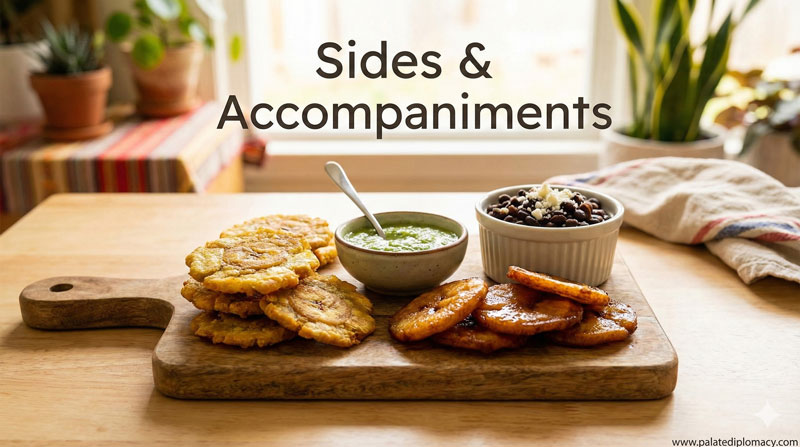
Venezuelan meals often feature a variety of side dishes that balance flavors and textures. These sides include arepas, black beans, plantains, and fresh salads, each holding a special place in daily life. They serve as essential components that add flavor, nutrition, and cultural expression to meals. The preparation of these sides requires specific kitchen tools, which have been passed down through generations, preserving the authenticity of traditional recipes.
Equipment Essential for Venezuelan Sides
Preparing authentic Venezuelan sides calls for a specific set of kitchen equipment. These tools not only facilitate efficient cooking but also help maintain the traditional taste and presentation. Common equipment includes a sturdy blender or food processor for making smooth arepa dough or purees. A reliable pot or saucepan is crucial for simmering beans or cooking plantains to tender perfection. Additionally, a grater or cheese slicer might be used for preparing fresh ingredients, while a frying pan or griddle is necessary for toasting or grilling certain sides. Each tool plays a vital role in delivering the authentic textures and flavors Venezuelan cuisine is celebrated for.
Culinary Significance of Equipment in Venezuelan Sides
The choice of equipment in preparing Venezuelan sides underscores the importance of tradition and craftsmanship in the cuisine. For example, the use of a molcajete or grinding stone can enhance the flavor of fresh salsas and dips, emphasizing the importance of traditional techniques. The equipment used often influences the final taste, texture, and presentation, making it integral to the culinary experience. Moreover, these tools enable cooks to honor age-old recipes, ensuring that each dish remains true to its cultural roots.
Preserving Culinary Heritage Through Equipment
Using specific kitchen tools for Venezuelan sides helps preserve culinary heritage. Many of these pieces are crafted with local materials and reflect artisanal techniques, adding an extra layer of cultural value. Sharing these tools and techniques connects generations, fostering a sense of community and continuity. As Venezuelan cuisine continues to evolve, the equipment remains a vital link to its rich gastronomic history.
Conclusion
The equipment required for Venezuelan sides is more than just functional tools; it embodies the soul of Venezuelan culinary traditions. These tools help create dishes that are flavorful, authentic, and deeply rooted in cultural identity. Exploring the equipment behind these sides invites appreciation for the craftsmanship and history embedded within each meal. Whether you’re an aspiring chef or a curious food lover, understanding the significance of these tools enriches your culinary journey into Venezuelan cuisine. Embrace these traditions, and discover the beauty of Venezuelan flavors through their essential equipment requirements.