
Discovering the Rich Heritage of Venezuelan Soups
Venezuelan soups are more than just warm, comforting dishes; they are vibrant expressions of the country’s rich culinary heritage. Each bowl reflects centuries of tradition, local ingredients, and regional preferences. These soups serve as a window into Venezuela’s diverse landscape and cultural fabric, offering a taste of the country’s history and communal spirit. Exploring the development process of Venezuelan soups reveals their significance as a reflection of local identity and culinary innovation.
Cultural Significance of Venezuelan Soups
In Venezuela, soups are considered a cornerstone of everyday life. They are often enjoyed at family gatherings, community celebrations, and during special occasions. The preparation of these dishes embodies a sense of belonging and shared heritage, passed down through generations. Venezuelan soups accommodate the country’s diverse climates and agricultural riches, utilizing an array of fresh vegetables, meats, and grains. This adaptability highlights the resourcefulness and creativity of local cooks, who turn simple ingredients into hearty and flavorful meals.
The cultural importance extends beyond nourishment. Soups in Venezuela symbolize unity and continuity, connecting families through tradition. They also serve as a medium to showcase regional flavors, with each area boasting its own unique variations. For example, the creamy “Sancocho” from the Andean regions contrasts with the lighter “Caldo de Pargo” from coastal areas. These regional differences celebrate Venezuela’s geographical diversity and culinary ingenuity.
Culinary Significance and Development Process
Venezuelan soups have evolved over centuries, shaped by the country’s fertile lands and access to maritime resources. Their development process involves meticulous selection of local ingredients that are abundant and seasonally available. Traditional methods emphasize slow cooking, allowing flavors to meld and develop deep richness. This process highlights the importance of patience and craftsmanship in Venezuelan cuisine.
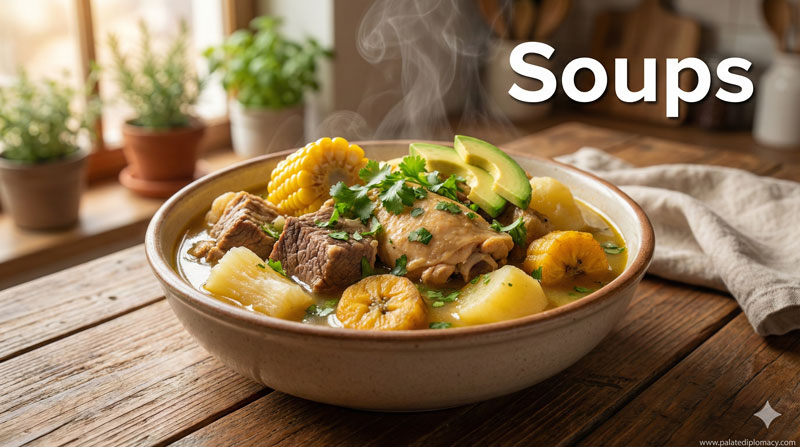
The development of these soups also demonstrates the influence of indigenous culinary practices combined with local adaptations. Ingredients such as plantains, yucca, corn, and various herbs feature prominently, contributing to the distinctive tastes of each soup. Ingredients are often sourced directly from local markets or home gardens, reinforcing the close relationship between Venezuelans and their land.
Furthermore, Venezuelan soups are often customized to suit regional preferences, family recipes, and seasonal variations. This dynamic process ensures that each bowl is a reflection of the community’s history and environment. The careful balance of flavors and textures underscores the culinary artistry involved in their creation.
Celebrating Venezuelan Soups Today
Today, Venezuelan soups continue to be cherished as vital expressions of culinary identity. Chefs and home cooks alike honor traditional recipes while also innovating with modern twists. These soups are celebrated not only for their comforting qualities but also for their ability to bring people together.
Travelers and food enthusiasts are increasingly discovering the depth and diversity of Venezuelan soups. Tasting these dishes offers a true appreciation for the country’s cultural richness and culinary mastery. Whether enjoyed at a bustling market stall or a family dinner table, Venezuelan soups embody warmth, history, and community.
Embrace the Flavor and Tradition
Venezuelan soups are a testament to the country’s vibrant cuisine and cultural pride. Each spoonful encapsulates a story — of land, tradition, and community. Exploring their development process reveals the artistry and heritage behind these beloved dishes. They invite us to celebrate the flavors of Venezuela and appreciate the culinary ingenuity that continues to thrive today.