
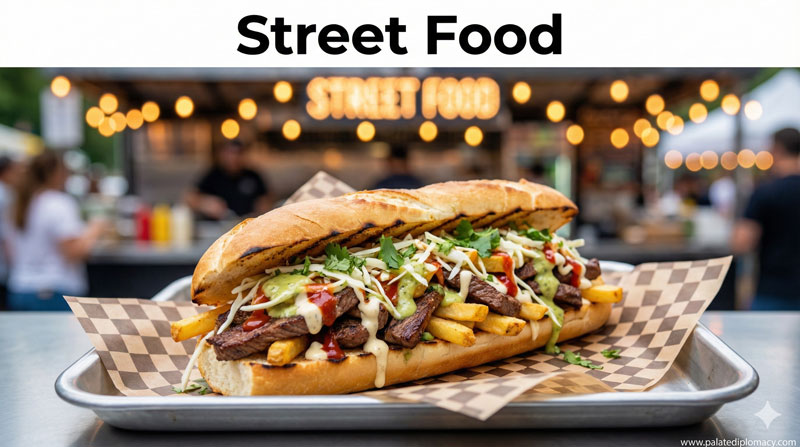
Exploring the Culinary Charm of Venezuelan Street Food
Venezuelan Street Food offers a vibrant tapestry of flavors, colors, and traditions. These dishes are more than quick bites; they are a reflection of the country’s rich cultural diversity and culinary ingenuity. Understanding the development process of Venezuelan street food reveals a story of community, innovation, and tradition. It also highlights the essential role these foods play in everyday life, bringing people together and celebrating local ingredients.
The Cultural Significance of Venezuelan Street Food
Venezuelan street food is deeply rooted in the country’s cultural fabric. It embodies the spirit of sharing and the artistry of traditional Cooking Techniques. Street vendors often serve dishes that have been passed down through generations, each with unique regional twists. These foods serve as a culinary bridge, connecting different parts of Venezuela’s diverse landscape—from coastal regions to the highlands.
Many Venezuelan street foods are designed to be accessible and affordable, making them a staple for daily nourishment. Yet, they also hold a deeper meaning. They symbolize community resilience and a collective appreciation for flavorful, hearty meals. Sharing a street-side meal fosters social bonds, turning ordinary moments into meaningful connections.
Culinary Development and Innovation
The development process of Venezuelan street food reflects a dynamic blend of tradition and innovation. Vendors and cooks continually adapt recipes, utilizing local ingredients to create dishes that are both nostalgic and exciting. This evolution is driven by the need to satisfy evolving tastes while honoring age-old culinary practices.
In many cases, the process begins with simple, locally sourced ingredients—corn, beans, plantains, and fresh vegetables. These are transformed through time-honored techniques like frying, boiling, or grilling, resulting in dishes that are satisfying and flavorful. Over the years, cooks have incorporated new flavors and methods, enriching the culinary landscape without losing sight of the dishes’ roots.
The Art of Crafting Street Food
The creation of Venezuelan street food involves a careful balance of tradition and improvisation. Vendors often rely on a keen understanding of local ingredients and cooking methods. Their skills turn everyday staples into iconic dishes that define Venezuelan cuisine. Each dish tells a story of resourcefulness and cultural expression.
The development process emphasizes freshness, simplicity, and flavor. It often involves quick preparation methods suited for busy streets, making the dishes not only delicious but also practical. The result is a diverse array of foods—from arepas and empanadas to cachapas—that have become symbols of Venezuelan culinary identity.
Why Venezuelan Street Food Continues to Thrive
Venezuelan street food remains vibrant because it is rooted in community and tradition. Its development process showcases a remarkable ability to adapt and innovate, ensuring these dishes stay relevant and beloved. The flavors evoke a sense of place and heritage, inviting both locals and visitors to experience the country’s culinary soul.
By exploring the development of these foods, we gain a deeper appreciation for their cultural value and culinary significance. They are more than just street fare—they are living expressions of Venezuela’s rich cultural history and culinary artistry.
Embracing the Flavors and Stories
Venezuelan street food invites us to celebrate the creativity and resilience embedded in everyday meals. It offers a taste of history, community, and innovation that continues to evolve with each generation. Whether enjoyed at a bustling street corner or in a cozy setting, these dishes remain an essential part of Venezuela’s vibrant culinary landscape.
Experience the beauty of Venezuelan street food and discover the stories each dish has to tell. They are a delicious testament to the country’s rich, enduring cultural identity—crafted with passion, tradition, and a touch of ingenuity.