
Discovering Venezuelan Street Food: A Celebration of Flavor and Culture
Venezuelan Street Food offers a vibrant tapestry of flavors, textures, and traditions that reflect the country’s rich culinary heritage. Among these delicious offerings, the visual artistry captured through street food photography brings an added layer of appreciation. This blog explores the cultural significance and culinary importance of Venezuelan street food photography, inviting you to see beyond the plate and into the lively streets where these dishes come alive.
The Cultural Significance of Venezuelan Street Food
Venezuelan street food is more than just quick bites; it is a reflection of local customs, community, and daily life. Vendors set up colorful stalls along bustling streets, turning each meal into a social event. These foods are an expression of regional diversity, showcasing ingredients and flavors unique to different parts of the country. Street food acts as a window into Venezuelan history, tradition, and communal spirit, often serving as the heart of neighborhood gatherings.
Capturing Venezuelan street food through photography highlights these cultural nuances. It emphasizes not only the vivid colors and textures but also the stories behind each dish. Photographers often focus on the lively scenes, the vendors’ craftsmanship, and the joyful interactions between sellers and customers. These images serve as a tribute to the cultural richness that street food embodies, making it accessible and appreciated worldwide.
Culinary Significance of Popular Venezuelan Street Food
Venezuelan street foods are renowned for their hearty flavors and comforting qualities. Iconic dishes such as arepas, tequeños, and cachapas are staples in the street food scene. Arepas, in particular, hold a special place in the culinary landscape, made from cornmeal and versatile enough to be filled with various fillings like cheese, meats, or avocados. These foods demonstrate the ingenuity of Venezuelan cuisine—simple ingredients transformed into flavorful, satisfying meals.
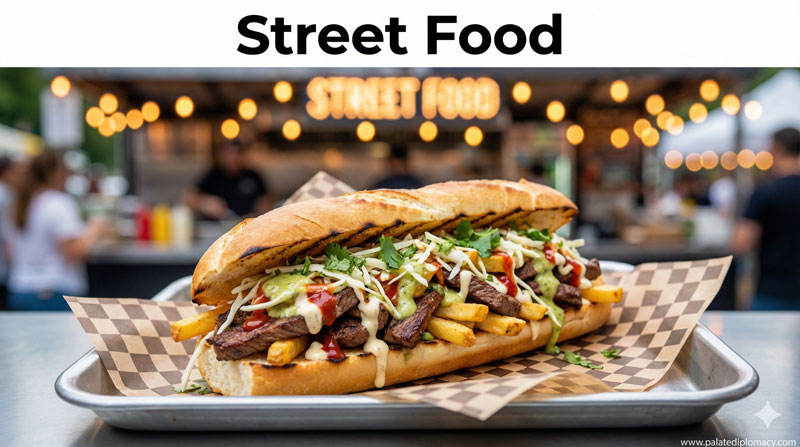
Photographing these dishes captures more than their appearance; it preserves their essence. High-quality images reveal the golden crust of a freshly cooked arepa, the gooey cheese within a tequeño, or the fluffy texture of a cachapa. These visual details entice viewers and deepen appreciation for the craftsmanship behind each dish. Moreover, the dynamic environment of street food markets adds energy to the photographs, emphasizing the vibrant culinary culture that thrives on street corners.
Celebrating the Art of Street Food Photography
Street food photography in Venezuela is an art form that bridges cultures and invites viewers into the lively street scenes. Skilled photographers focus on lighting, composition, and storytelling to highlight the vibrancy and authenticity of each dish. These images often evoke a sense of place, making viewers feel as if they are right there in the bustling streets, savoring the aroma and textures.
Sharing Venezuelan street food photography expands global understanding of the country’s culinary beauty. It encourages an appreciation for the skill and creativity involved in preparing and selling these traditional foods. More than just pictures, these images are a celebration of community, heritage, and the enduring appeal of street food.
Conclusion
Venezuelan street food stands as a testament to the country’s rich culinary tradition and lively culture. Through captivating photography, we can appreciate not only the visual appeal of these dishes but also their cultural and culinary significance. Whether you are a food lover, a photographer, or a curious traveler, exploring Venezuelan street food photography opens a window into a world of flavor, tradition, and community that continues to thrive on the streets of Venezuela.
Embark on this visual journey and celebrate the beauty of Venezuelan street food—where every dish tells a story and every image captures a moment of cultural pride.