
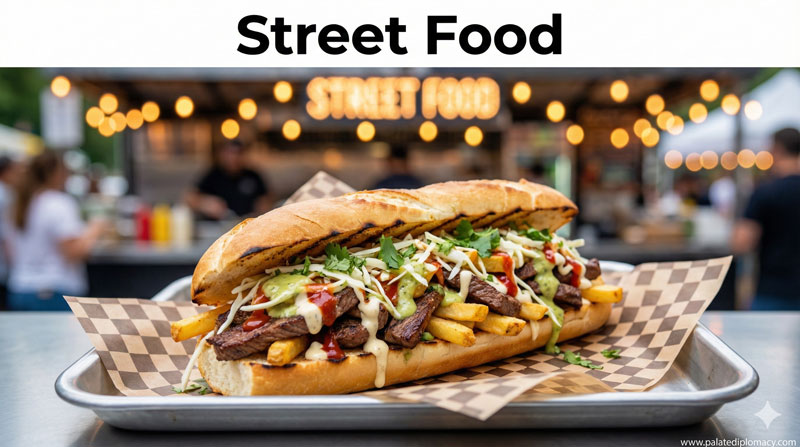
Exploring the Rich Culinary Heritage of Venezuelan Street Food Skills Development
Venezuelan Street Food is a vibrant tapestry of flavors, colors, and traditions. It reflects the country’s rich cultural diversity and culinary ingenuity. The development of street food skills in Venezuela highlights the artistry that transforms simple ingredients into beloved national staples. This culinary practice is more than just food preparation; it embodies community, tradition, and a sense of pride.
Celebrating Venezuelan Street Food’s Cultural Significance
Venezuelan street food holds a special place in the nation’s cultural identity. It is a cherished part of daily life, bringing people together in bustling markets and lively street corners. These foods often carry stories and histories passed down through generations, serving as a living link to the country’s heritage. Whether enjoyed during a quick lunch or as a festive treat, Venezuelan street foods symbolize warmth, hospitality, and resilience.
The Art of Skill Development in Street Food Craftsmanship
Mastering Venezuelan street food requires more than just following recipes. It involves honing specific skills that have been refined over time. Vendors develop a keen eye for selecting fresh ingredients and perfecting cooking techniques suited for high-volume, fast-paced environments. This skill development fosters a sense of craftsmanship that elevates simple dishes into culinary symbols. It also nurtures entrepreneurial spirit, as vendors often learn to innovate while preserving traditional methods.
Culinary Significance of Popular Venezuelan Street Foods
Many Venezuelan street foods are iconic, representing the country’s diverse cultural influences. For example, arepas—cornmeal cakes filled or topped with various ingredients—are a staple that showcases the country’s agricultural bounty. Empanadas, filled with meats or cheeses, reflect Spanish culinary influence, adapted uniquely to Venezuelan tastes. These foods are not only delicious but also serve as a showcase of local ingredients, culinary techniques, and cultural stories.
The Role of Skills Development in Preserving Food Heritage
Developing street food skills helps preserve these culinary traditions for future generations. It encourages the transfer of techniques from experienced vendors to newcomers, ensuring that the rich tapestry of Venezuelan street cuisine remains vibrant. This ongoing skill development fosters innovation while respecting tradition, allowing street foods to evolve yet retain their cultural essence.
Conclusion: A Delicious Reflection of Venezuela’s Heart
Venezuelan street food skills development offers a window into the country’s soul. It celebrates the ingenuity and resilience of its people, expressed through delicious, accessible foods. These dishes are more than nourishment; they are a testament to community, history, and cultural pride. Exploring and appreciating Venezuelan street food enriches our understanding of its vibrant culinary landscape and highlights the importance of nurturing culinary skills that preserve tradition while inspiring innovation.
Experience the magic of Venezuelan street foods and the craftsmanship behind them—delve into their stories and savor their flavors, a true celebration of cultural heritage and culinary artistry.