
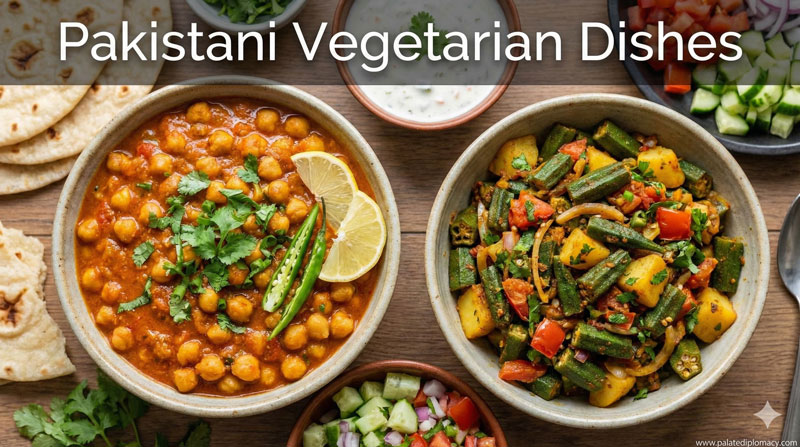
Introduction: Aloo Bhindi in Pakistan’s Kitchen
Aloo Bhindi is a dish that Shines in Pakistani homes. It blends two simple ingredients with bright spices to create a comforting, aromatic curry. This dish embodies everyday hospitality, quiet skill, and a shared appetite for wholesome flavors. It feels Like a warm welcome on a busy day and a familiar friend at a family table.
What Makes Aloo Bhindi Stand Out
Two humble ingredients take center stage: aloo (potato) and bhindi (okra). Potatoes add body and a gentle sweetness, while okra gives a tender bite and a glossy texture when cooked well. The magic comes from balanced spices, a touch of onion, garlic, and tomato, plus a careful simmer that layers flavors without overwhelming the vegetables. In Pakistan, this dish represents how everyday ingredients can become something both nourishing and memorable.
The Heartbeat: Techniques That Elevate Flavor
The flavor journey starts with a warm pan and hot oil. A quick tempering of cumin seeds releases a warm, nutty aroma. Onion follows, turning soft and fragrant. Ginger and garlic join the mix, adding depth. Tomatoes provide a bright, tangy note that keeps the curry lively. Then come the spices: turmeric for color, coriander powder for brightness, and red chili for a gentle heat. Salt ties the flavors together.
Next, potatoes go in to soften, followed by bhindi. The dish cooks with a light cover, so steam and spices mingle. The result is a glossy, fragrant curry where the potatoes stay meaty and the okra remains tender. A final squeeze of lemon or a whisper of fresh cilantro can brighten the plate. The technique is straightforward, yet the outcome feels both confident and comforting.
Regional Expressions Across Pakistan
Across Punjab, Sindh, Khyber Pakhtunkhwa, and Balochistan, Aloo Bhindi wears regional flavors with grace. In Punjab, cooks often favor a balanced, tomato-forward gravy that lets the two main vegetables shine. In Sindh, a touch more chili and a bolder spice profile can appear, giving a lively finish. Kitchens in the northern regions may add fresh herbs or a hint of green chili for brightness. Rural cooks may use charcoal or wood-fired pans, which lend a gentle smoky nuance. Regardless of the variation, the dish remains grounded in simple techniques and seasonal ingredients, celebrating local markets and family cooking traditions.
Cultural Value and Everyday Life
Aloo Bhindi is a shared experience in many Pakistani households. It appears on weeknight menus as a reliable, satisfying option, yet it also graces weekend gatherings and festive meals. The dish invites conversation around the stove, as family members pass along tips and tweaks learned from elders. Its ease supports cooks of all ages, making it a bridge between generations. Serving it with naan, chapati, or steamed rice invites a sense of balance and abundance. A bowl of yogurt or a tangy pickle on the side completes the meal and honors hospitality.
This dish also travels softly through everyday routines. Farmers bring fresh okra to market during peak season, and families plan meals around what is available locally. The result is a cuisine that feels attached to the land, the market, and the kitchen—an expression of care, patience, and shared appetite.
Pairings, Serving, and Seasonal Charm
Aloo Bhindi pairs beautifully with whole-grain breads and simple rice dishes. A dollop of yogurt can mellow the spices, while fresh cilantro adds a bright finish. A squeeze of lemon balances the natural sweetness of the potatoes. Because the dish emphasizes the vegetables themselves, it behaves well with a wide range of accompaniments, from mild to tangy condiments.
Seasonally, the dish shines when okra is at its freshest. In summer, the quick sizzle of okra with onions, tomatoes, and spices feels like a celebration of abundance. In cooler months, a touch of warmth from chili and a richer gravy keeps the dish comforting and satisfying.
A Simple How-To for Curious Cooks
- Start with a hot pan and a small amount of oil.
- Add cumin seeds and let them sizzle.
- Sauté onion until soft and translucent.
- Stir in ginger and garlic, then add chopped tomato.
- Fold in turmeric, coriander, and a pinch of chili powder.
- Add potatoes and a little water to start the simmer.
- Include sliced bhindi; cover and cook until both vegetables are tender.
- Finish with salt to taste and a light squeeze of lemon or a whisper of cilantro.
This quick guide mirrors the common steps in many homes and offers a reliable path to a satisfying result every time.
Conclusion: A Dish That Speaks of Home and Heart
Aloo Bhindi in Pakistan is more than a recipe. It is a quiet ceremony of everyday life—an invitation to gather, share, and enjoy simple produce transformed by careful preparation. Its cultural value rests in its accessibility, its ability to bring people together, and its celebrating of seasonal flavors. The dish stands as a testament to how modest ingredients, when treated with care, create something deeply comforting and genuinely special.