
Introduction: A Warm Welcome to Atkilt Wat
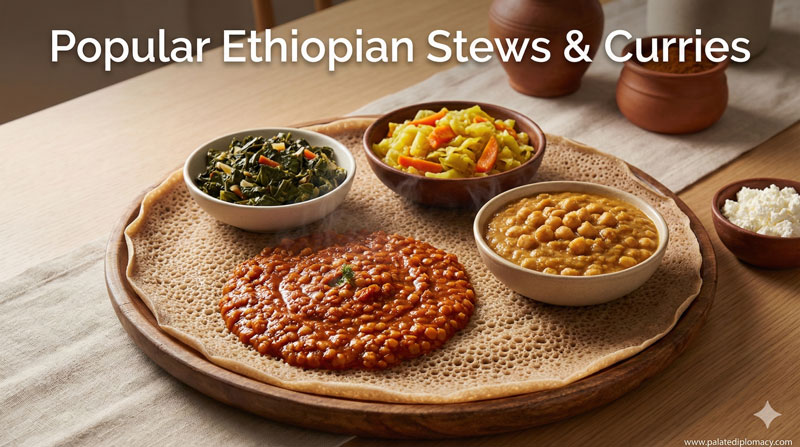
Atkilt Wat Is more than a dish in Ethiopia; it is a living thread in the tapestry of daily life. This colorful vegetable stew blends cabbage, carrots, potatoes, and onions with fragrant spices to create a gentle, comforting harmony. The aroma invites you to gather around the table, share stories, and savor a moment of togetherness. In Ethiopian cooking, Atkilt Wat stands as a celebration of seasonal produce, home cooking, and the quiet beauty of everyday meals.
What Is Atkilt Wat?
Atkilt Wat translates to a simple idea made vibrant: vegetables simmered slowly with onions, garlic, ginger, and spices until tender and sweet. Common ingredients include cabbage, carrots, potatoes, onions, and a touch of garlic. Spices such as turmeric or cumin add warmth, while niter kibbeh or a mild oil base coats the vegetables with depth. The dish is traditionally served with injera, the soft, spongy flatbread made from teff, which soaks up the stew’s flavors. The balance between bright vegetables and gentle, comforting spice makes Atkilt Wat a versatile centerpiece for meals at Home and on special occasions alike.
The Craft: Ingredients and Technique
In the hands of a cook, Atkilt Wat becomes a quiet performance of timing and texture. Start with sautéing onions until they glow with sweetness. Add garlic and ginger to lift the aroma, then fold in potatoes and carrots to crisp-tinish before they soften. Cabbage goes in later, so it keeps its color and a pleasant bite. A careful pinch of turmeric or cumin introduces warmth without overpowering the vegetables. A light broth or water braises the mix until everything is tender and the flavors mingle. The result is a soft, comforting stew with a gentle kiss of spice and a bright, vegetable-forward profile. When served with injera, the meal becomes a communal experience, inviting everyone to dip, scoop, and share.
Cultural Value: Hospitality, Home, and Everyday Ritual
Atkilt Wat embodies hospitality in Ethiopian culture. It is a dish born in home kitchens, prepared with care for family and guests alike. The vegetables reflect the land’s abundance, and the method honors patience and balance. Sharing this stew signals a welcome to table conversation and mutual care. It is common in family meals, market-to-table gatherings, and Friday or Sunday cooking sessions when relatives come together to chop, chat, and slow-cook. The simplicity of Atkilt Wat is a strength: it welcomes people of all ages and tastes, including those observing dietary practices, because it highlights vegetables with warmth rather than meat with intensity. In this sense, Atkilt Wat is a thread that weaves community and nourishment into a single, fragrant moment.
Social and Culinary Significance: Food as a Shared Language
Food in Ethiopian culture often speaks in a soft, welcoming voice. Atkilt Wat’s shared nature makes it a bridge between generations and neighborhoods. Its presence at the table signals generosity and a readiness to host. The dish also teaches balance: the sweetness of vegetables, the glow of spices, and the comforting texture of Injera all harmonize. This balance mirrors social values—care, inclusivity, and togetherness. When people gather to eat Atkilt Wat, they participate in a ritual of nourishment that is as much about conversation as it is about flavor. The act of sharing a pot, passing bread, and offering seconds reinforces a sense of belonging.
Regional Variations: How Local Touches Shape a Classic
Across Ethiopia, cooks adapt Atkilt Wat to reflect regional tastes and markets. In some areas, extra carrots and potatoes create a heartier, cozier stew, while others favor a lighter, more tomato-forward version. The level of spice can vary from gentle to moderately warm, depending on family preference and community norms. Some cooks swap olive oil for traditional clarified butter to add a subtle depth; others keep it dairy-free for fasting periods or dietary choices. Regardless of the tweaks, the dish maintains its core identity: a vegetable-forward, warmly spiced stew that shines when paired with injera or flatbread. These local touches celebrate the diversity of Ethiopian cooking while preserving the shared language of flavor.
Serving Traditions: How Atkilt Wat Enchants the Table
Service matters in Ethiopian dining. Atkilt Wat is typically plated with injera on the side or laid beneath the vegetables so the bread can soak up the juices. A bowl of the stew invites dipping, wrapping, and nibbling, turning each bite into a small ritual. The presentation is humble yet inviting, emphasizing generosity and ease. On tables where Atkilt Wat appears, you often notice a lively exchange of stories and a rhythm of clinking dishes that marks a warm gathering. This is not a display of abundance alone; it is a quiet celebration of everyday life—simple, fragrant, and deeply human.
Practical Tips for Home Cooks: Honoring the Dish
- Use a gentle simmer: low heat helps the vegetables soften evenly without breaking down.
- Let the onions lead: a slow caramelization gives the dish its characteristic sweetness.
- Balance moisture: add broth or water as needed to keep the vegetables juicy but not soupy.
- Respect regional preferences: adjust spice and salt to fit your household palate.
- Pair thoughtfully: serve with traditional injera to experience the full texture interaction between bread and stew.
A Taste of Ethiopia: Invitingcurious Palates to Explore
Atkilt Wat welcomes curious eaters and seasoned cooks alike. Its enduring appeal lies in its ability to reflect the season, the cook’s care, and the shared joy of a meal. The dish invites you to slow down, notice the colors of the vegetables, and enjoy the layered aromas that rise from the pot. In this simple stew, you can sense the rhythms of Ethiopian home life—gathering, sharing, and savoring together.
Conclusion: The Beauty of Atkilt Wat
Atkilt Wat is a testament to how vegetables, spices, and time can create something deeply meaningful and delicious. It embodies hospitality, everyday joy, and the quiet artistry of home cooking. By celebrating its cultural value and culinary significance, we honor not only a dish but a way of coming together around food. If you are exploring Ethiopian Cuisine, let Atkilt Wat be your invitation to taste, connect, and appreciate the generosity of a table that welcomes all with warmth and flavor.