
What Makes Atkilt Wat So Special in Ethiopia
Atkilt Wat stands out on Ethiopian tables for more than its flavor. It is a bright, comforting vegetable stew that speaks to the heart of home cooking. Cooks layer onions, garlic, and ginger with warm spices, then fold in cabbage, carrots, and potatoes. Injera, the tangy flatbread, often accompanies the dish, serving as both plate and utensil. This combination turns a simple meal into a warm welcome and a shared experience.
The Core Ingredients and Their Roles
The heart of Atkilt Wat Is a balance of humble vegetables and precise seasoning. Core ingredients include cabbage, carrots, potatoes, onions, garlic, and ginger. Turmeric and cumin bring color and warmth, while coriander seeds or powder add a gentle lift. Some kitchens add green beans, bell peppers, or peas for texture and brightness. A splash of tomato paste or chopped tomatoes can brighten the sauce. Fats range from neutral oil to the richer note of niter kibbeh, a spiced Ethiopian clarified butter. Either choice honors the dish’s accessibility and versatility. Each ingredient contributes texture, color, and a sense of seasonal abundance.
The Cooking Rhythm: Layering Flavor with Care
Atkilt Wat comes together in a careful rhythm. Start by sautéing onions until they glow and soften. Add garlic and ginger, cooking until their scents fill the room. Bloom the spices by warming turmeric and cumin in the oil or butter. Then fold in the chopped vegetables, a touch of water, and a gentle simmer. The goal is tenderness with a touch of bite in the carrots and cabbage. Patience matters here, because time allows flavors to mingle and vegetables to release sweetness. The result is a sauce that hugs each vegetable rather than overpowering them. This technique reflects a quiet confidence in everyday cooking.
A Dish for Gatherings: Hospitality on the Table
In Ethiopian homes, Atkilt Wat is a dish of welcome. It appears on weekday tables and shines at larger gatherings, where neighbors and family share a meal. The dish invites conversation and connection, because everyone eats with the same sweep of injera. Spice levels are often adjusted for guests, a small act of care that signals hospitality. Through this shared rhythm, the dish becomes a symbol of warm hospitality and thoughtful hosting. Served with a scoop of sauce on every piece of injera, Atkilt Wat nurtures a sense of belonging.
The Visual Language: Color, Texture, and Joy
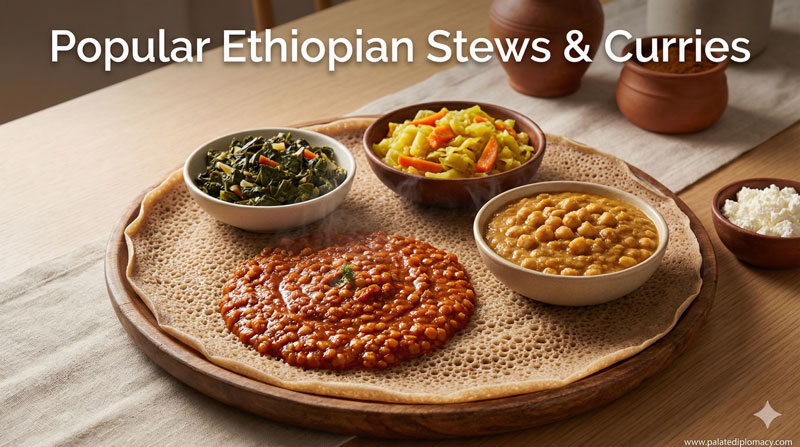
Color matters in Atkilt Wat. The orange of carrots contrasts with the pale potatoes and the green cabbage, creating a lively mosaic on the plate. The textures—soft, tender vegetables with a hint of bite—offer a satisfying mouthfeel. This visual and tactile beauty communicates abundance and care. In Ethiopian dining, color often tells a story of seasonality and balance. Atkilt Wat’s vivid, inviting appearance signals that a meal is both nourishing and festive.
Serving Rituals and Shared Joy
The way Atkilt Wat is served reinforces its cultural value. It is typically laid out on a communal platter or a shared tray, with injera arranged nearby to scoop and wrap. Diners use pieces of injera to pick up bites of vegetables and sauce, creating a back-and-forth dance of textures and flavors. This method emphasizes togetherness, gentle sharing, and mindful portioning. When the platter is passed, it carries the spirit of community and care from cook to table to gather.
Regional Variations and Seasonal Inspirations
Across Ethiopia, Atkilt Wat adapts to local produce and preferences. In some regions, peppers or green beans become star attractions, while others highlight potatoes for heartiness. The choice of spice level can vary too, from gentle warmth to brighter, bolder notes. Seasonal produce shapes the dish’s profile, yet the core idea remains the same: a colorful, comforting vegetable stew that honors fresh ingredients and balanced flavor. These variations celebrate local gardens, markets, and Family Traditions while keeping the dish instantly recognizable as Atkilt Wat.
Why Atkilt Wat Holds a Special Place in Ethiopian Food Culture
Atkilt Wat embodies the values of Ethiopian culinary culture: resourcefulness, balance, and communal joy. It showcases how simple vegetables can transform into a dish of depth through thoughtful preparation and care. The dish also reflects hospitality as a practice—sharing not only food but warmth, stories, and smiles around the table. Its reliance on everyday ingredients makes it approachable yet deeply satisfying, inviting cooks of all levels to participate in a tradition that feels both timeless and modern. In this way, Atkilt Wat remains a staple that can be prepared with kindness, patience, and pride.
Final Thoughts: Embracing Atkilt Wat
Atkilt Wat invites you to slow down and savor the beauty of vegetables cooked with attention. It is a celebration of color, texture, and aroma that elevates humble ingredients into a dish with cultural resonance and culinary significance. When you taste it, you taste the spirit of Ethiopian kitchen culture—the warmth of home, the generosity of sharing, and the art of turning everyday harvests into something memorable. Whether you enjoy it on a quiet weekday or at a festive gathering, Atkilt Wat offers a welcoming, delicious reminder of food’s ability to bring people together.