
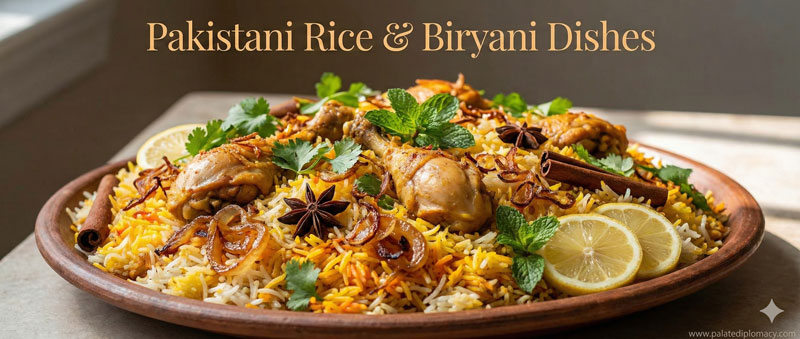
What Makes Beef Biryani So Special in Pakistan
Beef biryani is a cherished presence on many Pakistani tables. This post centers on its cultural value and culinary significance, inviting you to savor the dish not just for taste but for what it carries in everyday life and in celebrations.
The Heart of Home: Hospitality and Family
Beef biryani often arrives at the center of the table during gatherings. Families come together to prep, share, and enjoy, and the dish becomes a focal point for conversation and connection. It is common for relatives to contribute a part of the meal, pooling ingredients, passing down tips, and offering stories linked to the recipe. In this way, beef biryani acts as a bridge between generations, turning cooking into a shared ritual rather than a solitary task. The act of serving it—carefully ladling layers onto a platter, inviting guests to taste—embodies warmth and welcome. The dish supports the tradition of making guests feel at home, turning mealtime into a moment of care and togetherness.
The social value of beef biryani extends beyond the dining room. It is a dish that signals hospitality in many households. When friends visit, a host may offer a steaming plate of biryani with cooling yogurt-based sides, signaling generosity and attentiveness. In colleges, workplaces, and neighborhoods, the dish becomes a common language of care. The meal encourages conversations, shared memories, and a sense of belonging. In short, its cultural value lies in its ability to bring people together and nurture a welcoming atmosphere.
A Layered Symphony: Rice, Beef, and Aromatics
Culinary significance shines in the way beef biryani balances elements with grace. The rice, the beef, and the aromatics form a layered harmony. Each layer carries its own character, yet they fuse when cooked together. The rice stays light and fluffy, absorbing juices and spice without turning mushy. The beef offers depth, tenderness, and a comforting savor that anchors the dish. Between these layers, aromatics shine: fragrant spices, fresh herbs, and a touch of tang from yogurt or tomatoes. The result is a symphony where fragrance leads, texture supports, and flavor lingers.
The technique matters as much as the ingredients. Layering helps control moisture and airflow, allowing spices to perfume each belt of Rice and meat. The dum-like cooking method, where the pot is covered and heat circulates inside, deepens flavors gently. This method preserves the integrity of each component while letting them mingle gradually. The careful balance of spice, aroma, and texture makes beef biryani a benchmark of culinary artistry in many kitchens.
The Scent That Unites: Spices and Fragrance
Spices give beef biryani its signature character, and in Pakistan, those scents carry cultural signaling. Cumin, coriander, and turmeric provide warmth and earthiness. Cloves, cardamom, and cinnamon add bright notes that awaken the senses. A bay leaf or two can lend a subtle depth, while saffron threads or color-tinted saffron-infused water can tint the rice with a luxurious glow. Frying onions until they turn crisp and bronze releases sweetness and a ring of aroma that makes the kitchen feel inviting even before the first bite.
Fresh mint and cilantro introduce brightness that lifts the heavier meat flavors. A squeeze of lemon or a few tomatoes can brighten the dish and add balance. Each element has a place, and when all are present, the fragrance becomes a memory you can taste. The aromatic profile is more than flavor; it is a cultural signal of care, preparation, and attention to detail. The scent tells a story of home, festivals, and everyday meals that feel special.
Technique as Tradition: Dum, Layering, and Rhythm
The cooking technique behind beef biryani is a thread that ties many cooks to a shared practice. Dum cooking, a slow, enclosed method, allows steam to circulate and gently finish the dish. This rhythm helps the meat tenderize while the rice absorbs juices without losing its bite. The layering process—rice followed by meat and masala, repeatedly built into the pot—creates distinct zones that gradually mingle as the dish rests. Resting is essential; it lets the flavors settle and harmonize, much like time spent in family conversations after a meal.
This technique is more than a recipe step; it embodies patience and intention. Home cooks often customize the spice mix to reflect family preferences, reinforcing the sense that biryani is a living, evolving tradition. Bakers, chefs, and home cooks all adapt the craft to their kitchens, passing along preferences and tips that keep the practice vibrant. The technique is a bridge between the practical art of cooking and the cultural value of making something meaningful together.
Regional Voices: Karachi, Lahore, and Beyond
Pakistan hosts a mosaic of biryani styles, each with its own signature twist. Karachi biryani tends to celebrate bold spice and tang, with depth from masala blends and a touch of sourness from yogurt or tamarind. Lahore-style biryani often emphasizes robust aroma and a comfortable, hearty finish, balancing heat and richness in ways that feel warm and grounded. Other regions bring their own characters, from lighter, crisper profiles to richer, fuller sauces. These regional nuances highlight how a single dish can reflect local tastes, ingredients, and memories while staying true to a shared concept.
What remains constant across these variations is the role of beef biryani as a celebratory, comforting dish. Families savor the differences and express pride in their town’s take on the recipe. In gatherings, a plate of biryani becomes a map of regional pride, inviting discussion about flavors, textures, and the stories behind each grandmother’s version. The diversity is a strength, showing how tradition adapts while remaining deeply anchored in Pakistani Food Culture.
Everyday Feasts and Festive Tables
Beef biryani thrives in both everyday meals and special occasions. On ordinary days, a pot of biryani can brighten a weekday family dinner, turning a routine evening into something memorable. On festive occasions, it becomes a centerpiece that symbolizes care and generosity. The dish invites people to linger at the table, sharing compliments, small jokes, and plans for the week ahead. The act of serving, eating, and cleaning up together reinforces routines of togetherness that sustain family life and community ties.
The adaptability of beef biryani also makes it a reliable choice for gatherings with friends, neighbors, and colleagues. It scales well: a small family version feels cozy, while a large pot can feed many with a shared sense of abundance. The dish’s versatility—one pot, many flavors—supports social bonds and the pleasure of sharing a beloved staple with others.
Serving with Care: Accompaniments and Presentation
The way biryani is served matters as much as the dish itself. A bright platter, layered in visible rice and meat, invites admiration and appetite. Cooling sides such as yogurt-based raita, fresh salad, and pickles provide balance and contrast, turning the meal into a curated experience. Garnishes like fried onions add texture and color, while fresh herbs brighten each mouthful. The presentation emphasizes respect for the guests and pride in the cook’s work.
Pairings reinforce the cultural significance of the meal. A simple cool accompaniment helps keep the richness in check, while a crisp salad offers refreshment between bites. The overall arrangement communicates care and attention, signaling that the meal is more than sustenance—it is an expression of hospitality and artistry.
Passing the Flame: Knowledge Through Generations
Beef biryani thrives as a living tradition because people teach it to each new generation. Grandparents teach the best mixture of spices and the art of timing; parents share tales of family gatherings where biryani played a starring role; and young cooks add modern twists that respect the core technique. In this way, the dish preserves a sense of continuity while inviting creativity. The result is a cuisine that feels both rooted and alive, capable of evolving with each household without losing its essential identity.
This transmission happens in kitchens, markets, and family celebrations. It is about more than the recipe; it is about the ethos of care, patience, and generosity. As recipes travel through hands and ears, beef biryani gains new voices, yet it remains a symbol of warm welcome and shared meals.
A Timeless Dish: Reflection and Welcome
Beef biryani holds a quiet, steady place in Pakistani food culture. It reflects a tradition of hospitality, a love of layered flavors, and a respect for technique that rewards patience. In every bite, you taste the careful balance of meat, rice, spice, and fresh herbs. The dish invites reflection on the everyday beauty of cooking and the ways meals knit families and communities together.
If you approach beef biryani with curiosity, you discover more than a savory dish. You discover a cultural art form that invites sharing, conversation, and gratitude. You learn to listen for the aroma, observe the layers, and appreciate the craft that has been refined in kitchens across cities and homes. In this sense, beef biryani is not just a recipe; it is a living tradition, a symbol of welcome, and a celebration of flavor that continues to enchant and connect people.
Conclusion
Beef biryani in Pakistan stands out for its cultural value and culinary significance. It is a dish that brings people together, honors family traditions, and showcases a refined balance of spice, aroma, and texture. Its regional variations reflect local pride while maintaining a shared love for layered flavors and careful technique. Whether on a busy weekday or a festive table, beef biryani speaks to hospitality, artistry, and the joy of cooking in community. By savoring it, you join a timeless conversation about food, family, and the beauty of well-made meals.