
What Makes Chana Masala So Special in Pakistan
Chana masala holds a cherished place at many Pakistani tables. It is a bright, welcoming dish that invites conversation at lunch, tea breaks, and family gatherings. In Pakistan, this curry is more than flavor; it is a gentle expression of hospitality, shared memories, and everyday life done with care. Its appeal comes from balance: sturdy chickpeas resting in a warm, tangy tomato-spice sauce, brightened by herbs and a hint of citrus. The dish travels from bustling street stalls to quiet home kitchens, yet it remains unmistakably Pakistani in spirit and texture.
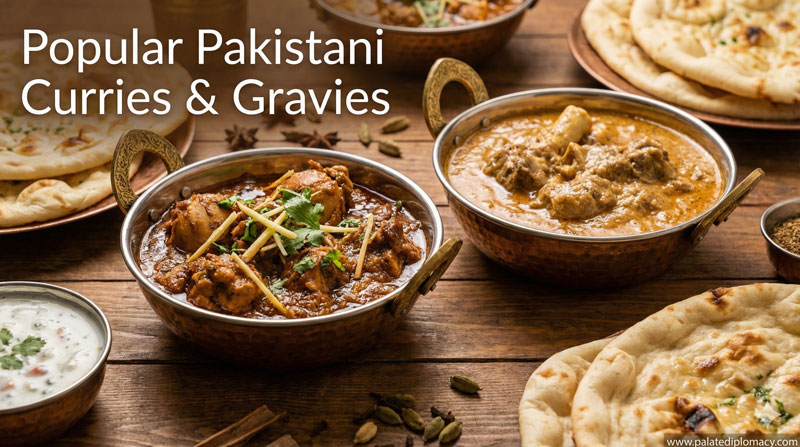
This chana masala reveals the beauty of simple ingredients brought together with thoughtful technique. A bowl of chana masala offers color and aroma that hint at the day’s beginnings in the kitchen. The chickpeas provide a soft bite that pairs with the peppery warmth of spices. The sauce carries a gentle acidity, a touch of sweetness, and a lingering warmth that makes the dish memorable. In Pakistan, cooks often tell The Story of the curry through texture—the bite of chickpeas, the velvet-thick sauce, and the way the garnish glows on top. The result is a dish that feels both comforting and celebratory, suitable for everyday meals and for special occasions alike.
This dish also showcases a relationship with grains and breads that is deeply cultural. It partners beautifully with steaming basmati or fragrant brown rice, as well as with soft, fluffy roti or naan. The act of tearing off a piece of bread and dipping into the sauce is a shared experience, passed from one generation to the next. In this context, chana masala becomes a communal moment: a pause to savor the good things in life, a way to gather and enjoy together. The texture and aroma invite attention, and the mind follows with gratitude for the ordinary excellence of home cooking.
The Core Ingredients: A Tapestry of Flavor
The heart of chana masala is the chickpea. Well-cooked chickpeas offer a creamy interior that absorbs the spices without losing their bite. In Pakistan, cooks often soak dried chickpeas overnight and simmer them until they are just tender. This patience shows in the finished dish: beans that hold their identity while carrying the sauce’s warmth. A quality curry starts with good beans, and the pride in preparing them well shines through in every bite.
Onions, garlic, and ginger form the aromatic base. When fried gently, they release sweetness that balances the tang of tomatoes. Tomatoes lend brightness and a subtle depth that deepens as they cook, becoming a rich sauce. The spice blend is where the dish truly sings. Ground cumin, coriander, and turmeric provide warmth with a sunny edge. Red chili powder adds a gentle heat, while garam masala rounds the mixture with a fragrant, slightly smoky finish. A pinch of amchur (dried mango powder) or a splash of lemon juice adds a bright acidity that brightens the entire curry.
Fresh cilantro leaves and a squeeze of lime or lemon before serving bring a final lift. Some cooks finish chana masala with a dash of asafoetida (hing) for a note reminiscent of north Indian cooking, while others rely on a careful sauté of whole spices to release aroma. Regardless of the exact blend, the dish remains an example of how texture, color, and scent come together to create a memorable eating experience.
Regional touches matter, too. In Punjab, you may find a slightly earthier, cumin-forward profile. Sindhi versions often incorporate a tangier edge and a touch more tomato. In the southern and western parts of Pakistan, cooks might introduce regional touches such as curry leaves or a different balance of heat and sour notes. Across these variations, the thread remains the same: chickpeas, aromatics, tomatoes, and spices harmonizing to music in a single pot.
Regional Notes: Variations Across Pakistan
Pakistan’s regions contribute diverse textures and flavors to chana masala. In Punjab’s bustling kitchens, the curry often comes with a robust spice presence and a smooth, medium-thick sauce. The use of ghee or clarified butter adds a subtle richness that lingers on the palate. In Karachi and Sindh, cooks may lean toward a brighter tomato base and a touch more tang, reflecting a coastal influence and the availability of fresh produce. In the north, the dish can take on a slightly heartier feel, with a thicker sauce that clings to the chickpeas and breads.
This variety invites a dining experience that is at once familiar and intriguing. You might find a chana masala in a busy urban eatery with Bold Flavors designed to satisfy a fast-paced day. In a quiet home kitchen, the same dish might emerge in a slower, more reflective version, where each ingredient shines a bit more and the simmering time deepens the sauce’s character. The beauty of chana masala in Pakistan lies in this adaptability: a single dish that respects regional voices while remaining instantly recognizable.
Techniques and Time-Honored Methods
The warmth of chana masala comes from technique as much as from ingredients. A gentle sauté of onions, garlic, and ginger releases sweetness and depth. Tomatoes are added and cooked until their juice intensifies, helping to form a sauce that clings to each chickpea. Spices are introduced with care, allowing their aromas to bloom in the oil without overpowering the dish. This careful layering creates a sauce that tastes both bright and comforting.
A key technique is the simmer, which lets the chickpeas absorb the sauce and soften to a velvety texture. Patience here matters. A longer simmer softens the beans and lets the flavors mingle. The final tempering, or tadka, adds a bright, aromatic finish. Cumin seeds, mustard seeds, and dried chilies may crackle in hot oil, releasing their fragrance and lending a final, lively note to the dish. A touch of coriander leaves sprinkled on top provides freshness and a green contrast that makes the dish look as inviting as it tastes.
Garnish and serving are also expressions of culture. Fresh cilantro, lemon or lime wedges, and sometimes a sprinkle of chaat masala or amchur dust turn a simple bowl into a celebration of aroma and color. The result is a dish that looks as vibrant as it tastes, inviting you to take a moment, breathe in the scent, and begin the meal with gratitude for the craft involved.
The Social Table: Sharing and Everyday Rituals
In Pakistan, chana masala often appears at the heart of a social table. It is a dish that travels well from kitchen to plate and from family to friend. It pairs beautifully with a variety of breads and grains, allowing households to tailor the meal to the occasion and the season. The act of sharing a pot of chana masala fosters conversation, laughter, and connection, as people gather to eat together and enjoy the same comforting flavors.
This dish is equally at Home in a busy street stall, a bustling home kitchen, or a quiet corner of a family restaurant. It invites people to slow down just enough to savor the aroma and taste before continuing with the day. For many cooks, making chana masala is a way to pass down skills and memories, from one generation to the next. The dish becomes a thread in the social fabric, a reliable source of warmth, and a symbol of hospitality.
A Gentle Invitation: Savoring the Spirit of Chana Masala
Chana masala embodies balance: the hearty chickpea, the tangy-sweet tomato base, the spice chorus, and the final whisper of fresh herbs. It is a dish crafted with care, able to move between everyday meals and shared celebrations. When you taste it, you encounter a narrative of home cooking that respects tradition while inviting personal touch. The beauty of this dish lies in its accessibility, its comforting familiarity, and its capacity to surprise with subtle regional signatures.
If you visit a Pakistani kitchen, you may notice the same love for chana masala expressed differently, yet with the same core respect for ingredients and technique. The dish invites you to slow down, notice the colors and aroma, and appreciate how simple components become something greater when treated with attention. In this way, chana masala is not just a recipe; it is a cultural practice that centers warmth, sharing, and culinary craft.
Whether you explore a home kitchen, a street-side stall, or a family gathering, chana masala offers a window into Pakistani food culture. It celebrates the idea that good meals come from thoughtful preparation, generous hospitality, and a sense of place. In every bite, you taste the harmony of ingredients, the care of the cook, and the beauty of a dish that belongs to the heart of Pakistan.