
Top Reasons Ethiopians Love Misir Wat
Misir Wat Is a lentil stew that shines in Ethiopian kitchens. It carries warmth in a bowl and warmth in the home. The dish blends simple ingredients with patient technique to yield depth, aroma, and comfort.
What Is Misir Wat?
Misir Wat is one of the classic wots of Ethiopian Cuisine. Red lentils simmer with onions, garlic, and a characteristic berbere spice blend. Tomatoes or tomato paste sometimes join the pot, adding a gentle acidity. The result is a ruby-hued, deeply flavored sauce that coats every spoonful. The dish is often finished with a dab of niter kibbeh or a splash of oil, which lifts the flavors and adds a subtle richness.
Flavor and Texture
The beauty of Misir Wat lies in its balance. A soft, creamy texture from the lentils meets the sweetness of caramelized onions. Berbere brings heat, warmth, and a complex mix of chili, pepper, and aromatic spices. Garlic and ginger peek through, offering bright notes that lift the dish. The sauce is velvety, yet it carries a lively finish that invites another bite.
Cultural Significance
Misir Wat sits at the heart of many Ethiopian meals. It is a reliable, beloved choice for gatherings, family dinners, and everyday meals alike. The dish reflects a culture that values patience and harmony in cooking. Shared plates, generous scooping, and the act of passing bowls from hand to hand express a spirit of community and care. In homes and at celebrations, Misir Wat honors tradition while welcoming new tastes.
How It Is Prepared
The preparation is thoughtful but accessible. Start by browning onions in oil or butter until they deepen in color. This creates a sweet foundation. Toast the berbere to wake its aroma, then stir in garlic and spices. Add red lentils and enough liquid to cover them. Simmer gently until the lentils are tender and the sauce thickens. Finish with salt and a touch of fat to round the flavors. The method rewards patience, yielding a dish with depth and a comforting, homey feel.
Serving Traditions and Etiquette
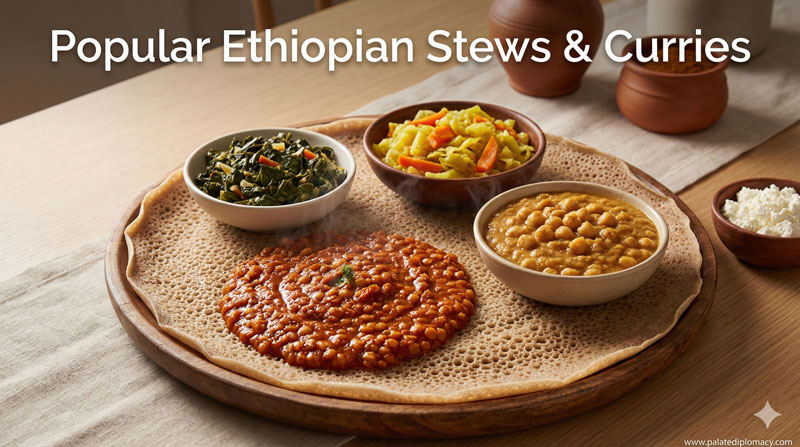
Misir Wat is typically served on a bed of injera, a spongy flatbread made from teff. The injera acts as both plate and utensil. Diners tear a piece of injera and use it to scoop the stew. The communal style invites sharing and conversation, turning meals into moments of connection. A small amount of lemon or lime on the side can brighten the dish for those who enjoy a citrus lift. The result is a meal that is both satisfying and inviting.
Regional Variations and Personal Touches
Across regions and households, a few gentle variations shape Misir Wat. Some cooks use more berbere for a bolder kick, while others favor a milder profile. Butter or ghee (niter kibbeh) adds depth and a silky texture; oil offers a lighter finish. Some cooks add a touch of tomato for brightness, while others rely on onions and spices alone. These small differences celebrate personal taste while preserving the core of the dish.
Pairings: Injera and More
Injera is the natural partner for Misir Wat. Its tangy flavor contrasts beautifully with the stew’s warmth, and its texture soaks up the sauce perfectly. Other staples often accompany Misir Wat, such as shiro (a chickpea or lentil flour stew) and atkilt (a vegetable medley). Together, these dishes create a balanced, colorful plate that showcases the harmony of Ethiopian flavors.
Cooking at Home: Simple Tips
- Toast berbere lightly to release its aroma before adding it to the pot.
- Brown onions slowly for a sweeter foundation.
- Rinse lentils well and simmer with enough liquid to prevent sticking.
- Adjust salt near the end, then finish with a small amount of fat for gloss.
- Use injera as a serving vessel to enhance the tasting experience.
Conclusion
Misir Wat honors tradition through simple, honest ingredients and patient technique. Its cultural value lies in how it gathers people around the table, how its aroma welcomes everyone, and how the dish stands as a comforting, flavorful expression of Ethiopian food culture. Through every bite, Misir Wat tells a story of home, hospitality, and the beauty of shared nourishment.