
Introduction
What makes Ital stew stand out in Caribbean cuisine is not just its warm, comforting flavor. It is the way the dish connects people to the land, to seasons, and to everyday life. Ital stew centers on plant-based ingredients, bright herbs, and patient simmering. The result is a pot that feels both nourishing and wholesome. In every bite, you taste care, balance, and a deep respect for nature’s bounty. If you are curious about Caribbean cooking, Ital stew offers a clear, inviting entry point.
Core Ingredients and Techniques
At its heart, Ital stew relies on vegetables, legumes, and starchy roots. Common components include plantains, yams or Sweet Potatoes, pumpkin or squash, callaloo or spinach, okra, beans, and tomatoes. Aromatics like onions, garlic, and peppers join with thyme and pimento to layer aroma and flavor. A dash of coconut milk may appear in some versions, adding creaminess without overpowering the vegetables. A hot pepper or a splash of lime lift the dish, but heat is kept in balance so every ingredient can shine.
The cooking method is thoughtful and hands-on. Begin with a gentle sauté of onions and garlic to release sweetness. Add root vegetables and beans, then cover with broth or water. Slow simmering wakes up the starches and softens tough skins, while herbs release their fragrance. Greens are added near the end to maintain color and fresh taste. This careful layering creates a stew with depth and a smooth, comforting texture.
Cultural Value and Everyday Life
Ital stew is more than a dish—it is a practice of mindful cooking and shared meals. The recipe invites cooks to choose fresh, seasonal produce and to honor simple flavors. In homes and kitchens across The Caribbean, making Ital stew is a rhythmic activity that welcomes family and friends. The process teaches patience, as flavors evolve with each hour of simmering. Sharing a pot of Ital stew signals care for loved ones and a desire to nurture with food.
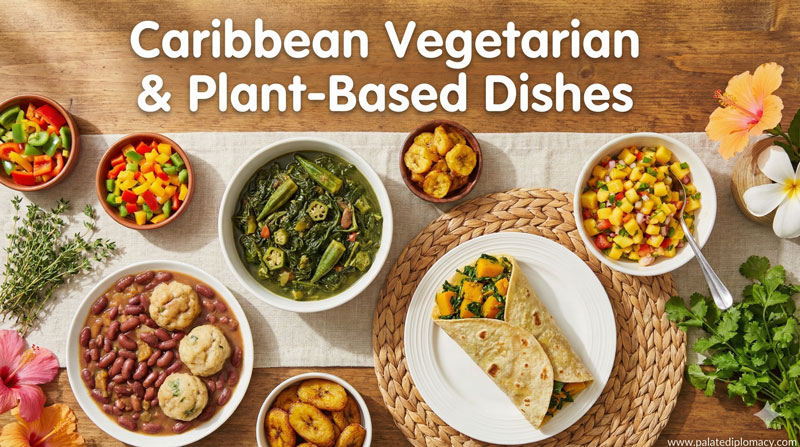
Color plays a role in its cultural value, too. The vibrant greens from leafy greens, the orange of plantains, and the deep reds of peppers create a plate that feels alive. This visual appeal enhances the dining experience and invites conversation about ingredients, methods, and taste. In many households, preparing Ital stew becomes a small tradition that people pass on with pride and joy. The dish also adapts to different occasions—from everyday dinners to weekend gatherings—demonstrating its flexibility and relevance in daily life.
Culinary Significance and Flavor
The culinary significance of Ital stew lies in its plant-forward approach and its regional flavors. The stew demonstrates how plant proteins, grains, and vegetables can carry richness without meat. The slow simmer draws out sweetness from root vegetables and depth from aromatics and herbs. The result is a savory, satisfying dish that can stand on its own or pair with other staples.
Flavor notes vary with ingredients and technique, but some threads are consistent. Earthy sweetness comes from roots and tubers. Gentle creaminess may come from coconut milk or naturally thickened vegetables. Fresh herbs like thyme bring piney notes, while pimento berries contribute a subtle, warm spiciness. A touch of heat from peppers adds liveliness rather than overpowering the dish. The balance of bright vegetables, comforting textures, and aromatic herbs makes Ital stew feel both rustic and refined—simple in its roots, elegant in its finish.
How to Serve and Enjoy
Traditionally, Ital stew is served hot and enjoyed with complementary sides. Common pairings include fluffy white rice or brown rice, soft dumplings, or slices of warm bread. A side of ripe plantains or roasted yams can echo the sweetness found in the stew. A squeeze of lime or a sprinkle of fresh herbs—like cilantro or scallions—brightens the plate. The dish shines when served in a communal setting, where everyone can savor the colors, textures, and aromas together.
If you are hosting a meat-free meal, Ital stew naturally fits. It also adapts well to varying spice preferences. Keep the pepper optional for milder palates, and let guests add heat at the table. The versatility makes Ital stew a dependable choice for weeknight dinners and special occasions alike.
Quick Tips and Variations
- Choose fresh produce: Seasonal vegetables deepen flavor and render a brighter color.
- Balance the broth: Start with a modest amount of liquid, then add as needed during simmering.
- Adjust thickness: For a thicker stew, allow more time for the vegetables to break down, or mash a portion of the vegetables gently.
- Play with greens: Spinach, callaloo, or kale all work well and offer different textures.
- Coconut milk option: Use a light amount to keep the stew vibrant without becoming too rich.
- Heat control: Start with milder peppers and add a bit of hot pepper if you enjoy a bolder finish.
- Serve variations: Pair with rice, dumplings, yam slices, or corn bread to suit your mood.
Regional Variations and Inspirations
Across the Caribbean, Ital stew echoes regional flavors and pantry staples. In some places, coconut milk is more prominent; in others, a tomato-rich base dominates. Herbs and spices provide a fragrant backbone that ties variations together. The dish invites home cooks to honor local produce while exploring different combinations. This flexibility helps Ital stew remain a beloved staple, adaptable to kitchens big and small.
A Gentle Invitation to Experience
If you have not yet tasted Ital stew, consider it a generous invitation to explore Caribbean food culture through a plant-forward lens. The dish celebrates soil, sun, and harvest—the essential gifts of the land. It offers a comforting, nourishing experience while highlighting the artistry of simple cooking. By preparing Ital stew, you participate in a culinary tradition that values balance, seasonality, and shared joy around the table.
Conclusion
Ital stew stands out in Caribbean cuisine for its warmth, depth, and accessibility. Its cultural value rests in how it brings people together to celebrate fresh ingredients and patient cooking. The dish shows that beauty in food often begins with humble vegetables and a thoughtful approach. With thoughtful preparation and a willingness to savor natural flavors, Ital stew becomes more than a meal—it becomes a bridge to the daily life, heart, and flavor of Caribbean cooking. Try this stew as your next kitchen adventure, and let its inviting aroma guide you toward a richer appreciation of the region’s culinary heritage.