
Introduction
What Makes Modern Nordic Bowls So Special in Nordic Cooking is a celebration of simplicity, seasonality, and skilled balance. This dish form brings together the region’s best ingredients in one nourishing bowl. It invites curiosity about texture, color, and aroma while honoring local producers and seasonal rhythms. The result is a meal that feels both modern and timeless, approachable yet thoughtful, and deeply rooted in Nordic cooking traditions.
Core idea: bowls as a living representation of Nordic values
Nordic bowls translate core culinary ideas into a portable, approachable format. They highlight clean flavors, precise technique, and a respect for what grows near home. A modern Nordic bowl often layers grains, greens, protein, and vibrant toppings to create harmony. Each component has a purpose: a grain base for texture, a protein for savoriness, vegetables for brightness, and a finishing touch for brightness or crunch. The overall effect is a bright, comforting, and well-balanced eating experience.
Core ingredients and how they speak to culture
In Nordic cooking, ingredients are chosen for freshness and seasonality. A typical bowl features:
– Grains such as barley, rye, or oats, offering hearty texture and a nod to regional agriculture.
– Fish or plant-based proteins, including salmon, trout, or quietly seasoned mushrooms for variety.
– Vegetables that reflect the season: roots and cabbages in winter, radishes and greens in spring, berries and cucumber in summer, and preserved items in autumn.
– Flavors from herbs and dairy: dill, chives, yogurt or skyr, and a touch of mustard or lemon to brighten the dish.
– Finishes like seaweed, seeds, and crisp toppings to add crunch and depth.
Together, these elements honor local farming, seasonal cycles, and the Nordic taste for clean, bright flavors. The bowls become a platform to showcase what the land provides, month by month, region by region.
Techniques that shape the modern Nordic bowl
Craft in Nordic cooking shows through careful technique rather than heavy embellishment. Common techniques in modern Nordic bowls include:
– Gentle curing or smoking to introduce subtle depth without overpowering the main ingredients.
– Quick pickling or fermentation to add acidity and texture.
– Roasting, steaming, or char-grilling to concentrate flavors while preserving natural sweetness.
– Finishing with fresh herbs, crisp textures, and dairy accents that lift the dish.
These techniques create a clean, confident palate where every bite feels deliberate and fresh.
Cultural value: seasonality, locality, and craftsmanship
The cultural value of modern Nordic bowls lies in their respect for seasonality and locality. They encourage cooks to:
– Seek ingredients at their peak, then celebrate them in simple, focused preparations.
– Support nearby farms and producers, reinforcing community and sustainability.
– Craft balance through contrasts: warm grains with cool vegetables, creamy dairy with bright acids, soft textures with crisp toppings.
– Practice mindful eating, savoring each component rather than masking flavors with heavy sauces.
This approach deepens everyday meals into meaningful routines that echo Nordic culinary philosophy: restraint, clarity, and a gentle celebration of the land.
Presentation and sensory experience
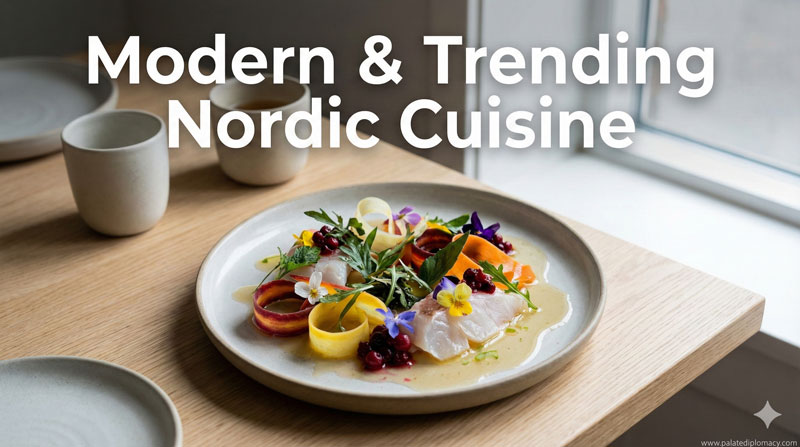
Nordic bowls place equal importance on how the dish looks and How It feels. A well-composed bowl uses color contrasts to attract the eye, textures to invite the fork, and scents to signal freshness. A drizzle of bright dressing or a scatter of herbs can transform a simple assembly into an inviting scene. The presentation mirrors Nordic design sensibilities: clean lines, natural materials, and an emphasis on the beauty of everyday ingredients. In one bowl, you can sense the season, the place, and the cook’s care.
Variations across Nordic regions
Different Nordic countries bring subtle twists to the bowl concept:
– In Norway, you might see smoky elements from the coast, with crisp sea vegetables and hearty grains.
– In Sweden, dill and yogurt dressings often lighten the dish, pairing well with barley and fish.
– In Denmark, there can be a playful use of rye crisps and pickled vegetables that provide a crisp, tangy counterpoint.
– In Finland, woodland berries or mushrooms may join the mix, adding forest flavors and a soft sweetness.
– In Iceland, seafood-forward bowls highlight fresh catches and seaweed accents.
These regional touches demonstrate how a shared concept can adapt to local landscapes and culinary memories, creating a family of bowls rather than a single recipe.
Pairings and sauces that elevate the bowl
Sauces and sides in modern Nordic bowls are crafted to enhance natural flavors without overpowering them. Common companions include:
– Skyr- or yogurt-based dressings with dill, lemon, and a touch of mustard.
– Light vinaigrettes with herbs and citrus to awaken vegetables.
– Mustards and vinegar blends that provide a gentle kick.
– Toasted rye crumbs or seeds for crunch and a toasty note.
These elements help unify the bowl while letting each component retain its character.
How to appreciate and savor at home
To recreate a Nordic bowl with cultural resonance:
– Start with a season-appropriate base grain, cooked al dente for texture.
– Add a protein that honors local tradition, prepared simply.
– Layer vegetables for color, contrast, and nutrition.
– Finish with a bright, balanced sauce and a sprinkle of herbs or seeds.
– Present with care, allowing the vivid colors and varied textures to greet the eater.
The goal is not only to feed but to honor the season, the land, and the craft of cooking itself.
A brief home guide: practical steps
- Plan around what’s fresh: visit local markets or farms to select peak ingredients.
- Keep the bowl balanced: a base grain, a protean element, vegetables, and a bright finishing touch.
- Use one or two textures to anchor the dish: creamy dairy, crisp vegetables, and a crunchy topping.
- Allow acidity to brighten flavors: lemon, vinegar, or a light fermentation note.
- Plate with intention: a clean arrangement that highlights each component.
This approach makes modern Nordic bowls accessible to home cooks while preserving the dish’s cultural integrity.
The dish as a living tradition
What Makes Modern Nordic Bowls So Special in Nordic Cooking is not only the taste but the ongoing dialogue between tradition and innovation. Each bowl tells a story of place, season, and careful technique. It invites cooks and diners to slow down for a moment, to notice how the land’s rhythm shapes the flavors on the plate. In this way, the bowl becomes a small, inviting ceremony—a daily reminder of nourishment, craft, and community.
Conclusion
Nordic bowls embody a refined yet welcoming culinary culture. They celebrate seasonality, regional produce, and thoughtful preparation. They honor craft without ostentation, offering flavors that are bright, comforting, and deeply connected to place. For anyone curious about Nordic cooking, these bowls provide a clear and delicious doorway into the region’s culinary soul. Enjoying them is an invitation to explore, savor, and share the beauty of Nordic ingredients in everyday meals.