
Introduction
Today we explore the dish “What Makes Modern Nordic Bowls So Special in Nordic Cooking.” This bowl is more than a recipe; it is a window into Nordic culinary identity. It honors seasonality, craft, and the joy of everyday eating. In this post, we focus on its cultural value and culinary significance. You will see how a simple bowl can express place, craft, and nourishment with clarity and care.
Core Elements that Define the Dish
Modern Nordic bowls blend several reliable elements. A warm grain base, such as barley, rye, or oats, grounds the dish. A protein acts as the heart, whether it comes from fish like salmon or trout, or from plant-based options such as lentils or chickpeas. Fresh vegetables arrive in crisp, roasted, or pickled forms to create contrast. A light dairy or dairy-free sauce ties the components together, while a drizzle of cold-pressed oil adds needed richness. Herb, citrus, and mild spice provide brightness. The result is a balanced plate where each part shines without overpowering the others.
Flavor and Texture Palette
Texture plays a central role. Creamy yogurt or skyr meets crunchy seeds and a tender grain. Roasted roots bring earthiness, while crisp greens lift the top note. A touch of tang from pickles or citrus, plus a subtle herbal finish, keeps the bowl lively. Transition words help the palate move from one bite to the next: first creamy, then crisp, finally bright.
Seasonal Rhythm and Local Produce
Nordic bowls thrive on seasonality. In spring, fresh greens and herbs mingle with light grains. In autumn, roasted root vegetables and preserved elements join the mix. Local markets guide the choice of fish, dairy, and vegetables. This seasonal cadence makes the dish a reflection of the land and the farmer’s hand. It also supports fresh flavors and sustainable sourcing.
Technique and Plating
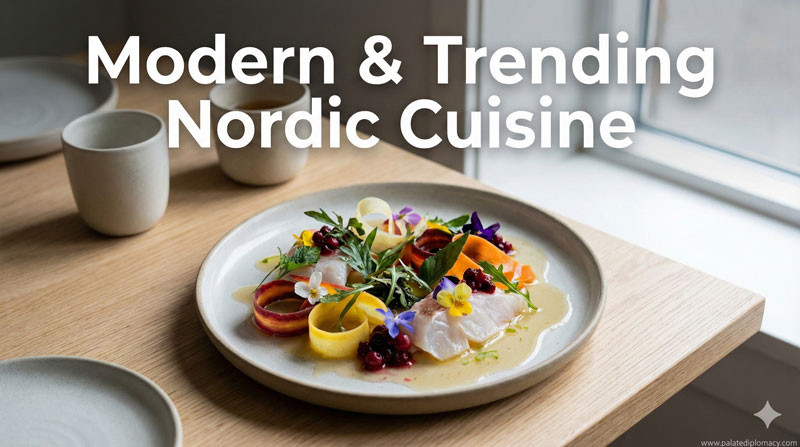
The technique values clarity and restraint. Steaming or lightly cooking grains preserves texture. Fish is treated with respect—poached, grilled, or smoked—so its flavor remains clean. Vegetables are roasted, pickled, or shaved thin for contrast. Plating emphasizes color balance: a warm base, a bright protein, and a fresh, crisp topping. The final presentation invites the diner to savor both taste and look.
Cultural Significance in Nordic Cooking
Modern Nordic bowls embody a concise cooking language. They show how tradition can meet contemporary dining without losing identity. The bowls honor simplicity, practicality, and the pleasure of well-prepared food. They fit into everyday meals and small gatherings alike, making nutritious cooking accessible and joyful. This approach reinforces a shared culinary culture built on care, skill, and respect for ingredients.
Customization, Accessibility, and Everyday Use
The bowl format invites customization. Home cooks can adapt protein, grains, and vegetables to what is on hand or to dietary preferences. The result remains elegant and balanced. Because the components are straightforward, beginners can learn the core techniques quickly. At the same time, seasoned cooks can elevate a bowl with fine-tuned textures, seasonings, and presentation.
Pairings and Aesthetic Harmony
A Nordic bowl pairs well with light beverages such as herbal tea or a crisp, citrusy drink. The visual appeal matters too: a bowl that shows color, balance, and texture invites lingering at the table. Clean lines in plating echo the clarity of the flavors, and the overall effect feels calm and inviting.
Conclusion
What makes Modern Nordic Bowls special in Nordic cooking is not just the recipe but the philosophy behind it. They fuse seasonality, craftsmanship, and hospitality into a single, satisfying experience. Each bowl invites you to celebrate local ingredients, thoughtful technique, and everyday nourishment. In this way, the dish serves as a gentle, ongoing dialogue with the land and with those who prepare and share the meal.