
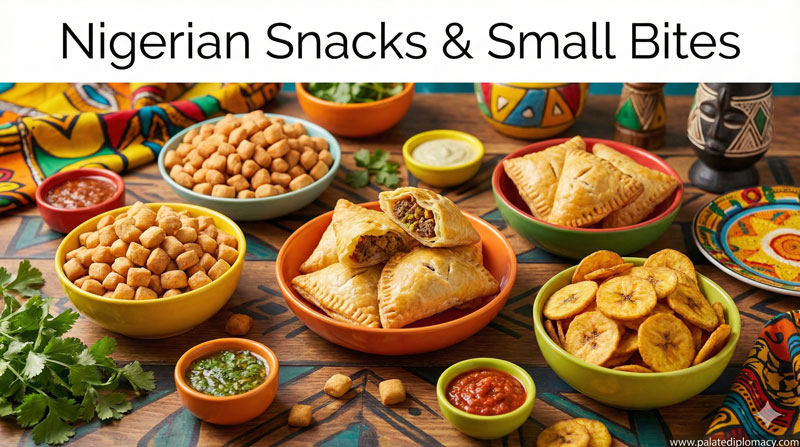
Introduction
What Makes Fish Roll So Special in Nigeria is more than a snack. It is a small, vibrant part of daily life that travels from market stalls to family kitchens with a familiar aroma and a welcoming crunch. In Nigeria, fish roll speaks to practicality and care. It blends simple ingredients into something comforting, shareable, and proudly Nigerian. This post highlights its cultural value and culinary significance, inviting you to taste the story carried in every golden bite.
What is Fish Roll?
Fish roll is a crispy, rolled snack featuring seasoned fish tucked inside a thin, delicate wrapper and fried to a crisp golden brown. The filling usually mixes minced or mashed fish with onions, peppers, and mild spices. The wrapper acts Like a friendly cradle, keeping the filling cozy as the exterior turns perfectly crunchy. You will often see fish roll sold by street vendors, in markets, and at gatherings, ready to be enjoyed with a dip or sauce. Its accessibility and forgiving technique make it a beloved entry point to Nigerian flavors for children and adults alike.
The Craft of Making Fish Roll
The making of fish roll centers on balance and technique. First, cooks season the fish with a thoughtful blend of onions, peppers, and a touch of salt. Next, the mixture is mashed to a consistent texture that folds smoothly into the wrapper. Then comes the rolling: a small spoon of filling is placed on the wrapper, edges are sealed, and the roll is formed with care. Finally, the rolls dive into hot oil until the outside is crisp and the inside remains juicy. The craft lies in keeping the filling moist without overstuffing and ensuring the wrapper seals tightly so the roll stays intact during frying. The result is a uniform, golden finish that invites biting into it.
Flavor, Texture, and Sensory Experience
What makes fish roll distinctive is its harmony of texture and aroma. The exterior provides a confident crackle, giving way to a tender, flavorful center. The fish brings a gentle, savory depth, sharpened by onions and peppers that carry warmth rather than heat alone. Subtle herbs or a hint of citrus can lift the aroma, making the first bite irresistible. Diners often pair fish roll with a bright pepper sauce or a tomato-based dip, which enhances the savoriness and adds a lively counterpoint to the mild fish. In short, the dish offers a satisfying contrast: crisp outside, moist inside, and a fragrance that lingers.
Cultural Value in Nigerian Food Culture
Fish roll embodies accessibility, hospitality, and everyday delight. It is common at morning markets and midday snack stalls, where people pause to share a quick, satisfying bite. Families often prepare fish roll for weekend gatherings or school events, turning it into a small ritual of care and togetherness. The dish also reflects a spirit of adaptability: simple pantry ingredients can become a comforting treat that brings people together. By being easy to make and easy to share, fish roll reinforces social bonds and creates common ground across ages and backgrounds. Its presence in both home kitchens and bustling streets highlights how Nigerian food culture values warmth, generosity, and the joy of a well-made bite.
Regional Flavors and Variations
Across Nigeria, cooks add subtle regional touches to fish roll. In coastal and river-rich areas, a touch more fish flavor or oil may come through, while inland kitchens might emphasize brighter peppers and onions. Some cooks experiment with different fish types, using what is fresh and affordable, which subtly shifts the aroma and texture. Variations can also appear in the wrapper choice—thin spring roll wrappers are common, but some households opt for light pastry sheets or a home-made dough for a slightly different bite. These small differences celebrate regional tastes while keeping the core idea intact: a flavorful, convenient snack that travels well and satisfies quickly.
Serving Traditions and Everyday Moments
Traditionally, fish roll is enjoyed as a snack between tasks or during casual gatherings. It pairs beautifully with a tangy pepper sauce, a light chutney, or a simple tomato dip. In everyday life, it serves as a reliable option for school lunches, break-time treats, or a quick addition to a family meal. For celebrations or larger events, vendors may offer trays of fish rolls alongside other fried treats, turning a simple bite into a festive option. The serving style—crisp, hot, and ready to dip—contributes to its reputation as a comforting constant in Nigerian food culture.
Modern Takes and Popular Venues
Today, you can find fish roll in a range of settings, from traditional market stalls to modern cafés and casual eateries. Some chefs add playful twists, such as light herb accents, milder or spicier fillings, or dipping sauces with contemporary flavors. This evolution keeps the dish relevant for new generations while preserving its classic charm. The popularity in diverse venues speaks to the dish’s flexibility: it can be a quick street bite, a party appetizer, or a home-cooked comfort created with care. In every setting, fish roll remains a dependable symbol of Nigerian culinary charm: straightforward, flavorful, and endlessly welcoming.
Conclusion
What Makes Fish Roll So Special in Nigeria is its ability to elevate simple ingredients into a shared experience. It blends skillful technique, comforting textures, and bright, inviting flavors into a snack that travels easily from stall to home. More than a tasty bite, fish roll represents hospitality, practicality, and a steady thread in Nigeria’s rich food culture. Whether enjoyed fresh from a street vendor or prepared at home for a family moment, it stands as a flavorful reminder of how Nigerian cooks turn everyday cooking into a celebration of community and care. If you seek a window into Nigerian taste and tradition, a well-made fish roll offers a crisp, memorable entrance.