
Introduction
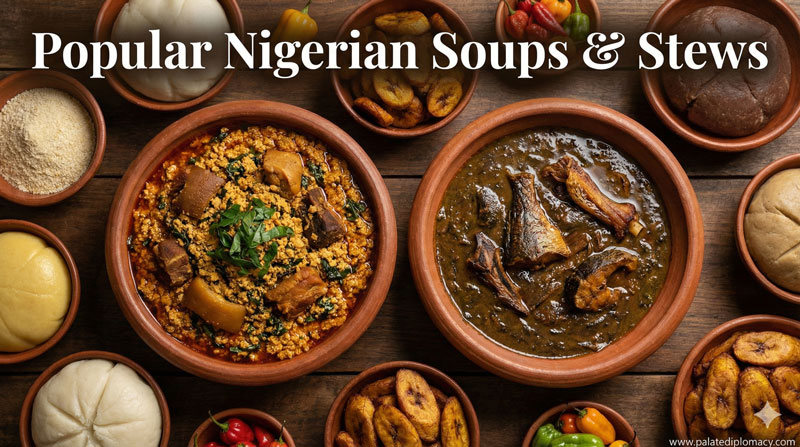
Okra soup stands proudly in Nigerian kitchens as more than a meal. It is a warm expression of home, family, and daily life. The dish celebrates simplicity, bold flavors, and a sense of togetherness that unfolds around a shared pot. In Nigeria, this soup is loved for its bright color, silky texture, and comforting aroma. It invites everyone to gather, savor, and enjoy a moment of hospitality.
The Texture and Color That Speak
The star ingredient, fresh okra, brings a distinctive sheen and gentle thickness. When simmered, the pods release a subtle mucilage that coats the spoon and the palate. This texture blends with palm oil’s warm, reddish glow, creating a visually inviting dish. The aroma, enriched by onions, peppers, and fish or meat, signals home cooking at its finest. Each bowl feels both lively and reassuring, a balance that many find endlessly comforting.
Regional Variations, Shared Heart
Across Nigeria, cooks adapt okra soup to reflect local tastes. In some homes, dried fish or stockfish adds a savory depth. Crayfish brings a hint of ocean brightness, while iru or ogiri contributes a gentle, earthy note. Different communities may favor specific greens or spices, yet the core idea remains the same: a nourishing pot that brings people together. This shared approach reveals how cooking can honor diverse preferences while keeping a unifying spirit.
Cooking as a Cultural Practice
Preparing okra soup is often a family affair. The ritual of boiling, stirring, and tasting becomes a moment to teach tradition to younger cooks. It is common to coordinate with other dishes, creating a full, satisfying meal. The act of serving—from the pot to individual portions—embodies care and hospitality. In many homes, a single pot of okra soup signals welcome, conversation, and the delight of shared sustenance.
Pairings and Culinary Significance
Okra soup shines when paired with starchy accompaniments. Pounded yam, fufu, or garri offer a satisfying contrast to the soup’s softness. The combination creates a balanced mouthfeel: chewy, smooth, and flavorful in every bite. This harmony makes the dish suitable for everyday meals and for special gatherings alike. The pairing tradition reinforces the idea that food can be both practical and celebratory.
Ingredients and Craft
The foundation is simple: fresh okra, onion, and a flavorful broth. Palm oil gives warmth and depth, while protein options like meat, fish, or crayfish enrich the pot. Seasonings such as peppers, salt, and locally favored spices complete the profile. Each element matters, yet no single ingredient overwhelms the others. The result is a dish with character, ease of preparation, and a sense of pride in careful technique.
A Note on Taste, Community, and Memory
Okra soup carries memories of market stalls, family kitchens, and weekend feasts. Its taste invites conversations, smiles, and a sense of belonging. The dish embodies Nigerian hospitality: a warm bowl, clear ingredients, and a generous spirit. People return to it across seasons, cherishing its reliability and beauty. In this way, okra soup is more than sustenance—it is a living part of the Food Culture.
Conclusion
Okra soup remains A Beloved symbol of Nigerian culinary identity. It combines color, texture, aroma, and warmth into a single, inviting dish. Through preparation and sharing, it sustains connections and honors everyday life. If you seek a window into Nigerian food culture, this soup offers a flavorful, welcoming invitation.