
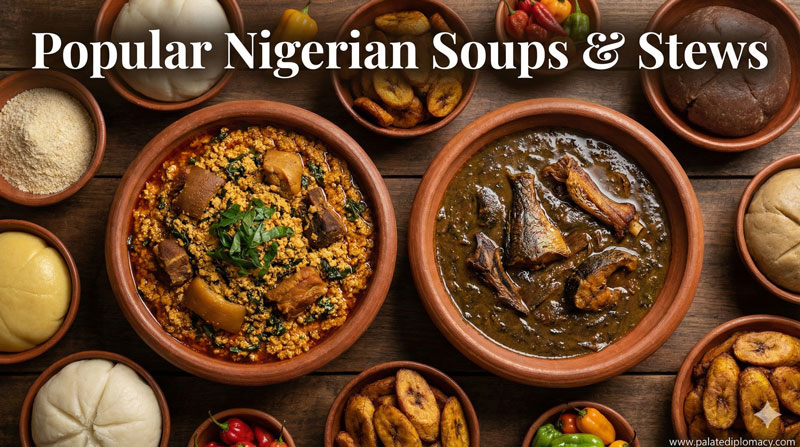
What Makes Okra Soup So Special in Nigeria
Okra soup, known and loved across Nigeria, stands as more than a meal. It is a warm invitation to gather, share stories, and celebrate simple ingredients at their brightest. In Nigerian kitchens, the dish travels from stove to table with ease, adapting to what’s on hand while keeping its core heart: freshness, depth, and a friendly, comforting texture. The bright green pods, the glossy palm oil, and the savory notes from meat or fish come together in a way that feels both everyday and ceremonial. This is a dish that speaks of home, hospitality, and the joy of a well-timed meal.
The Cultural Heartbeat of Okra Soup
Okra soup sits at the center of many family rituals. It often appears on weekend meals, during family visits, or when friends come together to celebrate a birthday or a milestone. The act of cooking it can be a shared tradition, passed from one generation to the next. Mothers teach daughters, grandmothers show grandchildren, and siblings work side by side in the kitchen. In this way, the dish travels beyond taste alone; it carries memory and belonging. When people gather around a pot of okra soup, they share more than food. They share a sense of identity—the feeling that this is a Nigerian table, a Nigerian story, told in flavor and aroma.
The dish also reflects generosity. A pot of okra soup invites others to help themselves, to add a spoonful of broth to a plate, to taste and comment, to adjust seasoning, and to enjoy seconds. Such exchanges reinforce a culture of warmth and inclusion. The soup’s flexibility mirrors daily life: it welcomes different meats, seafood, or vegetables; it accommodates spice levels; it grows with the season and with the cook’s imagination. This adaptability is a quiet celebration of skill and care in the kitchen.
Core Flavors and Culinary Techniques
Okra soup centers on a few key elements that together create its distinct character. The headline actors are fresh okra pods, cut into rounds or sliced for a silkier texture. Palm oil adds color and a gentle, fruit-forward aroma. Meat or fish builds the savory backbone, while stock or water carries the flavors through the pot. Crayfish, ground to add a ring of umami, often joins the mix, along with a touch of locust beans (ogiri) or similar seasonings that deepen the overall aroma.
Technique matters as much as ingredients. Cooks bloom aromatics in palm oil early on, then build a broth with meat or fish. The okra is added toward the end to preserve its vibrant color and distinct, smooth texture. This last step prevents overcooking and keeps the characteristic silkiness that many lovers of okra soup savor. Pepper or chili provides warmth, and salt seasons the pot to taste. The result is a balanced soup that feels bright, hearty, and comforting at the same time.
Texture is a signature feature. The soup can be silky and lush, with a gentle viscosity that carries the meat and vegetables. Some prefer a more robust body, achieved through a longer simmer or a thicker mix of ingredients. Others savor a lighter, quicker version where the okra remains distinctly legible in the bowl. Either way, the sensation at the moment of tasting is inviting: a soft, comforting body with bursts of seafood, meat, and herbaceous notes.
Regional Diversity within Nigerian Okra Soup
Across Nigeria, okra soup shows subtle regional variations that highlight local tastes and ingredients. In southern regions, cooks may favor a brighter green color and slightly thinner broth, using a combination of palm oil and pepper to lift the aroma. In inland communities, you might find a heartier version with more protein or a touch more ogiri for a deeper aroma. Different households swap meats—beef, goat, chicken, fish, or dried fish—depending on preference and availability, which keeps the dish dynamic and personal.
The use of locust beans (ogiri) is another common thread that ties variations together. Ogiri brings a distinct, earthy savor that fans associate with a true okra soup experience. Some cooks also incorporate crayfish or stockfish for extra depth, while others lean toward a lighter palate that highlights the fresh okra and palm oil. These choices illustrate how Nigerian okra soup serves as a canvas—one that honors locality, family taste, and tradition without losing its core identity.
Serving Traditions and Pairings
Okra soup shines when paired with the right accompaniment. It is commonly served with swallow foods such as pounded yam, fufu, or eba (garri). The pairing is more than a culinary match; it is a cultural ritual that makes the meal feel complete. Diners scoop a portion of the soup and wrap it around a bite of swallow, letting the flavors mingle in each mouthful. The experience is both tactile and flavorful: the warmth of the broth, the soft chew of the swallow, and the lingering aroma of the kitchen.
The serving setting matters too. A family table shared with friends feels different from a larger gathering, and that difference is respected in how the dish is prepared and presented. In many homes, serving friends and neighbors is part of hospitality. A well-made pot of okra soup can open doors to conversation, laughter, and a sense of togetherness that lingers long after the meal ends.
The Sensory Experience: Color, Texture, and Aroma
Color tells a story in Nigerian okra soup. The green of the okra and the golden hue of palm oil create a visually inviting bowl. The aroma blends the freshness of the okra with the warmth of spices and the savoriness of meat or fish. The first spoonful offers a familiar, comforting taste that reassures the appetite. The texture—silky, smooth, and just slightly viscous in a classic render—delights the palate and encourages lingering in the meal.
Aroma plays a starring role. The scent of palm oil, onions, peppers, and sea-rich notes from fish or crayfish rises as the pot simmers. This fragrance can instantly evoke home, kitchens from childhood, and gatherings that celebrate friendship and sharing. The sensory richness of okra soup is a key reason it remains beloved across generations.
A Practical Guide for Home Cooks
While the focus here is cultural value and culinary significance, a gentle, practical note can help readers appreciate the dish more deeply. For home cooks, starting with fresh ingredients makes the craft approachable. Choose fresh okra pods, rinse and slice them, and set them aside. Sauté aromatics in palm oil, then add meat or fish to build a savory base. Pour in stock or water, season with salt, pepper, and, if desired, a small amount of ogiri or crayfish for depth. Add the okra toward the end to maintain its bright color and silky texture. Simmer briefly, taste, and adjust seasoning. Serve with pounded yam, fufu, or eba. The method is flexible, and that flexibility is part of the dish’s cultural charm.
Embracing the Dish in Modern Nigerian Kitchens
In contemporary homes, okra soup continues to adapt while preserving its essence. Chefs and home cooks alike experiment with ingredients, but the core feeling remains: a meal that fosters connection and comfort. Modern kitchens may blend traditional elements with new textures or slight twists, yet the dish keeps its invitation open. It remains a staple that families turn to when they want to honor togetherness, celebrate a milestone, or simply enjoy a wholesome, flavorful meal.
Final Thoughts: A Celebration in a Pot
Okra soup in Nigeria is more than a recipe; it is a living tradition. It invites fellowship, celebrates resourcefulness, and offers a comforting reminder of home. The dish speaks softly of hospitality and shared meals, where fresh produce, careful technique, and generous portions come together to create something memorable. In every pot, there is a story of family, taste, and the beauty of Nigerian Food Culture. Embrace it as a culinary treasure that connects people through flavor, texture, and warmth.