
Introduction
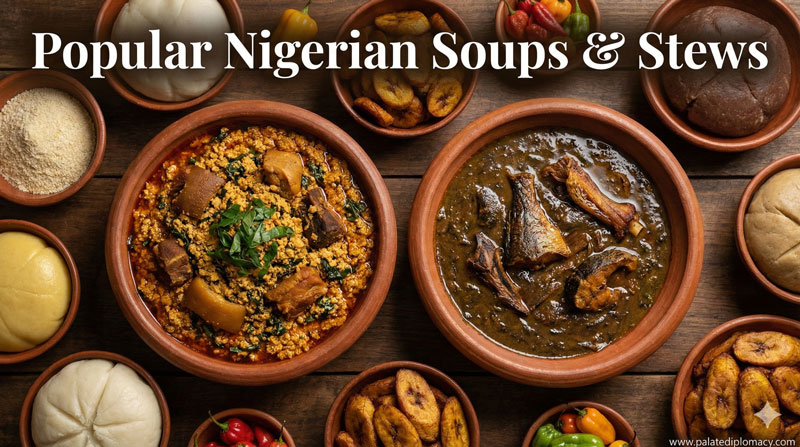
Okra soup is A Beloved fixture in Nigerian kitchens, a dish that welcomes the senses and invites conversation. It blends simple ingredients with a generous spirit, creating a meal that feels like home. In many families, this soup marks shared moments—weekend gatherings, weekday dinners, and careful care poured into every pot. Its appeal lies in balance: the bright scent of palm oil, the gentle heat of peppers, and the soft, familiar texture of tender okra. The beauty of the dish rests in how easily it adapts to different tastes while staying true to its core essence. By exploring what makes okra soup special, we celebrate a dish that is as practical as it is comforting, and as social as it is nourishing.
What Makes Okra Soup Stand Out
Okra soup stands out because it offers both silk and substance. The okra itself provides a unique, silky body that thickens the broth in a natural way, yet still lets the Flavors of meat, fish, and aromatics shine through. The aroma of palm oil rounds out the dish, lending warmth and depth without overpowering the palate. Heat is handled with peppers and onions, which bring brightness and balance. The soup is commonly enjoyed with fufu, pounded yam, or garri, turning every bite into a satisfying, shareable moment. Finally, its versatility shines. Home cooks adjust thickness, seasoning, and protein to reflect what’s on hand, turning a simple pot into a meal that feels thoughtfully prepared.
Core Ingredients and Techniques
The foundation of okra soup is straightforward: fresh okra, palm oil, onions, and a flavorful stock. Many cooks enrich the base with tomatoes or peppers for brightness and heat. Protein choices vary, including beef, chicken, fish, or dry stockfish, always adding richness. Locust beans or iru (fermented) are sometimes added for a savory, nutty aroma. Ground crayfish can deepen the seafood character, while salt and pepper tune the flavor. A key technique is adding okra pieces at different stages: some prefer finely chopped okra whisked in early for body, others add chunks near the end to preserve a brighter texture. The final touch often comes from a quick stir to marry flavors, followed by a restful moment before serving.
Cultural Significance and Community
Okra soup is more than a recipe; it is a thread that ties families and friends together. In many homes, preparing the dish becomes a ritual of care, patience, and shared skill. Children learn to wash and cut the vegetables, parents teach timing and seasoning, and elders pass down tips that have flavored generations. The act of gathering around a steaming pot fosters conversation, laughter, and a sense of belonging. Serving etiquette—scooping portions from the pot, presenting bowls, and offering extra portions to guests—emphasizes hospitality. In this way, the dish becomes a living memory, echoing stories of cooks who perfected the recipe, and kitchens where friends meet for nourishment and warmth.
Regional Variations Across Nigeria
Across Nigeria, okra soup shows regional personality in texture, aroma, and accompaniments. Some cooks favor a thicker, almost stew-like consistency, while others enjoy a lighter, soupy finish. The balance of palm oil and heat can shift, giving a deeper, earthier note in some homes and a brighter finish in others. Additions vary too: there are kitchens that favor fermented beans for a smoky aroma, while others lean on fresh greens or a touch of leafy vegetables for color. Accompaniments adapt as well; pounded yam remains a classic, but fufu, garri, or even tuwo can pair beautifully with the same pot. Each version honors core flavors while reflecting local tastes and the generosity of the cook.
Serving Traditions and Table Moments
When okra soup comes to the table, it often arrives as a shared experience. The pot is passed among family members, who ladle portions into bowls and set out side dishes. The act of dipping pounded yam or mopping up the soup with a bite-sized piece of fufu creates a tactile ritual that many households cherish. Conversation flows naturally—the day’s stories, small triumphs, and plans for tomorrow. The warmth of the meal comes from more than flavor; it comes from the communal pace of eating together, savoring the moment, and offering seconds to guests with a smile. This simple practice underlines the social value baked into every pot of okra soup.
Practical Tips for the Home Kitchen
To honor the dish’s character, start with fresh okra and bright aromatics. Rinse and trim the vegetables, then decide how you’ll thin or thicken the soup. If you prefer a silkier texture, blend a portion of the okra lightly before adding it back in. Use a moderate amount of palm oil to balance richness with brightness. Taste as you go, adjusting salt and pepper gradually. Don’t rush the simmer; a gentle, steady heat helps flavors mingle, especially when bones or fish are used for the stock. Finish with a quick stir near the end to keep the okra’s natural texture intact. Finally, pair with your favorite starch—pounded yam, fufu, or garri—for A Complete, satisfying experience.
Closing Thoughts
Okra soup in Nigeria is a celebration of daily life: practical, comforting, and deeply generous. It invites cooks to improvise while honoring tradition, to share boldly, and to savor simple ingredients harmonized with care. In every pot, there is a story of family, friendship, and the enduring beauty of well-made food. By appreciating its texture, aroma, and social role, we see why this dish remains a favorite—not just for nourishment, but for the warmth it brings to any table.