
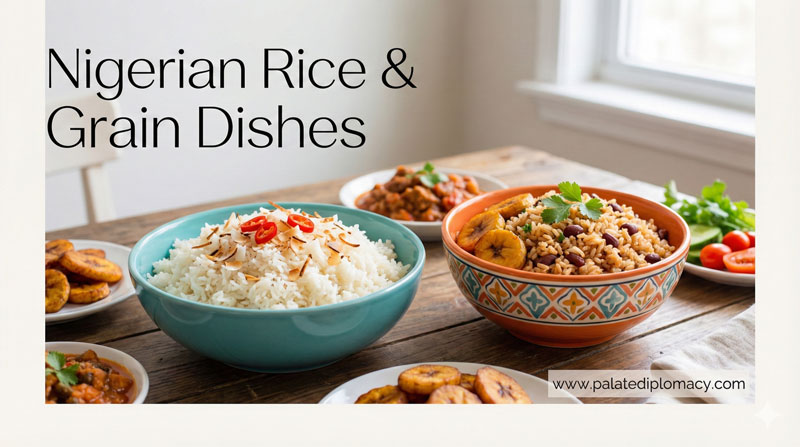
A warm welcome to a Nigerian favorite
Rice and beans is more than a dish in Nigeria; it is a everyday celebration of flavor, balance, and togetherness. This pairing blends the comfort of white rice with the heartiness of beans, creating a meal that feels familiar, nourishing, and joyful. When the pot comes to the table, stories rise with the steam. That is the beauty of rice and beans: it invites conversation, sharing, and a sense of home.
The heart of the dish: simple, soulful ingredients
The core ingredients are straightforward: rice, beans, onions, and peppers. Nigerian cooks frequently use black‑eyed beans or cowpeas, cooked until tender and turned rich with palm oil or vegetable oil. Onions lend sweetness, while peppers and tomatoes add brightness and warmth. A pinch of salt, a touch of spice, and a few aromatics—garlic, ginger, or crayfish—can transform the pot without overpowering the natural harmony.
Rice and beans shines because each part supports the other. The beans bring protein and a creamy texture; the rice offers a clean canvas for the beans’ sauce. The result is a well-rounded meal with substance and soul. The colors—bright red oil, pale grains, and dark beans—also make the dish appealing to the eye, inviting you to dig in.
Texture, aroma, and balance: what makes it feel special
Texture plays a starring role. The rice is fluffy with individual grains, while the beans offer a soft bite and a gentle bite of bite-sized beans in every mouthful. The palm oil or tomato-based sauce clings to the grains, carrying onion and pepper aroma through each bite. The aroma is comforting and universal: toasty onions, simmering peppers, and a hint of smoke from peppers or dried fish. This sensory blend signals safety, nourishment, and home.
Balance is the engine of the dish. The starch from rice, the protein from beans, and the oils from the sauce come together to create A Complete, satisfying meal. The flavors stay present without overpowering each other. With a side of fried plantain or a light tomato sauce, the dish becomes even more complete, yet still simple at heart.
Cooking approaches: one-pot magic and thoughtful separations
There are multiple ways Nigerians prepare rice and beans, each with its own charm. Some cooks start by simmering the beans until tender and then cook a pepper-onion sauce in the same pot. They fold the beans into the sauce and serve it over freshly boiled rice. Others cook the rice separately and ladle the bean sauce over the top, letting steam mingle in the serving bowl. Both methods celebrate unity of flavor and ease of cooking.
Regional preferences also shape the method. In some homes, palm oil adds a deep, reddish hue and a mellow, fruity note. In others, light oil keeps the dish brighter and milder. Crayfish or smoked fish can deepen the seafood-like savor, while fresh herbs or green onions brighten the finish. The result is a versatile dish that adapts to what is on hand, without losing its essence.
Regional flavors: small differences, big shared love
Nigeria’s culinary map adds color to rice and beans through regional touches. In the south, palm oil and tomatoes may lead the sauce, giving a glossy, robust finish. In central regions, the dish might lean toward a lighter, fresher pepper sauce, highlighting the brightness of onion and pepper. Across the north, cooks might blend dried peppers with a touch of spice that creates a gentle heat and a deep aroma. In every area, the dish remains rooted in accessibility, making it a reliable favorite for family meals, school lunches, and community gatherings.
Cultural value: gathering, nourishment, and everyday pride
Rice and beans holds a prominent place in daily life and in special moments. It is A Practical dish that feeds a family with care, often prepared in larger quantities to share with neighbors or guests. The act of cooking together—measuring, stirring, tasting, and serving—strengthens bonds and passes on tradition. The meal signals hospitality: a welcoming pot that invites people to sit, eat, and talk.
Beyond nourishment, the dish carries a sense of pride in resourcefulness. It demonstrates how simple ingredients, prepared with patience and care, can produce something flavorful and comforting. This sense of pride makes rice and beans a staple repeatedly chosen for family dinners, weekend gatherings, and impromptu celebrations.
Serving styles: accompaniments that lift the dish
Rice and beans pairs beautifully with a range of accompaniments. A fresh tomato and pepper sauce can brighten the plate, while a well-seasoned stew adds depth. Slices of fried plantain (dodo) provide a sweet counterpoint to the savory beans. A light salad, steamed greens, or a simple cucumber relish can add crisp contrast. For a heartier option, a small portion of fried fish, chicken, or eggs can be served beside the rice and beans, expanding the meal with additional textures.
Everyday joy and future memories
What Makes rice and beans endure is its ability to fit many moments. It works as a weekday staple that feeds a busy household and as a comforting dish that welcomes guests on a weekend. Its flexibility invites cooks to improvise with what’s on hand—whether it is a splash of palm oil for color, a dash of pepper for heat, or a handful of herbs for brightness. In this way, the dish grows with the cook and with the kitchen.
A closing note: the beauty of Nigerian rice and beans
Rice and beans embodies the warmth of Nigerian kitchens: practical, flavorful, and inviting. It honors the land, the farmers, and the families who share meals and stories around the table. The dish’s beauty lies in its balance, its comforting textures, and its easy patience. It remains a symbol of nourishment, hospitality, and everyday delight—an enduring favorite that continues to inspire cooks to craft something soulful from humble ingredients.