
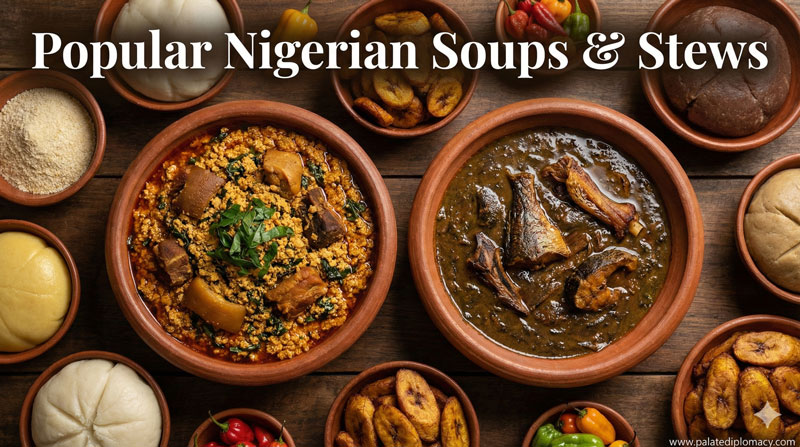
Introduction: What Makes Okra Soup Special in Nigeria
Okra soup, known and loved across Nigeria, is more than a meal. It is a living thread in the fabric of daily life, a dish that gathers people at the table and sparks conversations that linger long after the last bite. Its name may vary by region, but its heart remains the same: a nourishing, comforting bowl that celebrates family, friendship, and the simple joy of sharing. This is a dish built on balance—green, glossy pods meeting rich palm oil, meat or fish, and a chorus of herbs—creating a texture that feels both familiar and uplifting. in Nigerian kitchens, okra soup stands as a bridge between kitchen craft and communal warmth, a testament to the care that goes into meals prepared for those we love.
A Dish Rooted in Hospitality
From the moment the pot comes to the stove, okra soup signals welcome. Hosts prepare it to honor guests, to say, “You are worth the effort.” The recipe invites participation too: a family member may add a spoonful of palm oil, another may crush crayfish to release its aroma, and someone else might stir patiently until the soup glosses to perfection. This collaboration reflects a cultural value that places generosity at the center of everyday life. The dish often accompanies a shared staple—pounded yam, fufu, or garri—creating A Complete dining moment that is both practical and ceremonial. In these moments, okra soup becomes a language of care, spoken through aroma, texture, and the simple act of passing a warm bowl across the table.
Texture, Color, and Craft
Okra soup is celebrated for its unique texture and glossy color. The okra pods lend a gentle slime that coats each strand of meat and vegetable, giving the soup a velvety, enveloping mouthfeel. The recipe balances this texture with the bright brightness of palm oil, the warmth of chili pepper, and the depth of dried fish or stockfish. Crayfish and ground spices add a bead of fragrance that rises as the soup simmers. The result is a dish that feels alive on the palate—soft and robust at once. The craft lies in steady, attentive stirring, careful timing, and an eye for how the colors come together in the pot. When done well, the soup invites the spoon to glide through it, and the senses are engaged in a simple, joyful ritual.
Regional Voices: Yoruba, Igbo, and Hausa Traditions
Nigeria’s regional tapestry gives okra soup its wonderful variety. Yoruba kitchens may emphasize a silky consistency with a slightly thicker paste, while Igbo households might introduce extra greens or a hint of smoked flavor from palm oil and meat smoke. In many Hausa traditions, the soup is paired with sweetened grains or flours that create a balanced meal. Across these regional voices, one finds a shared reverence for fresh ingredients, careful seasoning, and a sense of belonging around the pot. The dish adapts to local tastes without losing its essence: a nourishing, comforting bowl that welcomes both family and visitors to the same table.
The Pantry of Flavor: Core Ingredients
The beauty of okra soup rests on a handful of core elements that come together in harmony:
- Okra pods, sliced or finely chopped, providing texture and sheen
- Palm oil, lending depth and a warm, golden hue
- Meat, fish, or fish stock for protein and savor
- Crayfish or dried shrimp for a savory, oceanic bite
- Onion, pepper, and local spices for brightness and heat
- Locust beans or other flavor boosters to deepen the aroma
- Leafy greens or spinach added toward the end for freshness
Each component plays a precise role, yet the magic comes when they are combined with patience and care. The result is a soup that tastes like home, no matter what family or region prepared it.
Serving, Rituals, and Shared Moments
Serving okra soup is a ritual of connection. A pot in the center of the table invites a communal pace: spoons move in a gentle rhythm, conversations drift from everyday plans to shared memories, and laughter rises with the steam. The accompanying swallow foods—pounded yam, amala, or fufu—provide a textural balance that makes the meal feel complete. In many homes, a special serving spoon or a Favorite clay bowl becomes a keepsake that marks the occasion of a family gathering or a festival meal. These practices reinforce a sense of belonging and continuity, where the dish is both nourishment and narrative.
Modern Homes: Keeping a Timeless Dish Relevant
Today, cooks across Nigeria adapt okra soup to fit contemporary kitchens without losing its soul. They experiment with lighter broths, alternative proteins, or additional greens to suit dietary needs, while preserving the dish’s essential flavors. The soup travels beyond the home kitchen through fans and food lovers who share recipes, tips, and stories online. Yet in every version, the core values endure: generosity, care, and the joy of bringing people together around a single pot. The modern approach respects tradition while inviting new generations to participate in the ongoing story of okra soup.
A Dish that Connects People to Place
Okra soup embodies more than taste; it embodies a sense of place—where markets bustle with fresh pods, where palm oil artisans celebrate harvests, and where families teach each other how to balance heat, salt, and texture. The dish is a living ambassador of culture, a reminder that food is a daily celebration of community, ingenuity, and shared happiness. By savoring it, one closes the loop between kitchen craft and social life, honoring both the hands that prepared it and the people who gather to enjoy it.
If you’re new to this dish, approach it with curiosity and a light heart. Seek fresh okra, savor the aroma of palm oil, and let the conversation flow around the table. In every bite, you’ll discover why okra soup remains a cherished and enduring expression of Nigerian food culture.