
Introduction: A Dish Reimagined, A Culture Celebrated
What Makes street food reinvented in Nigeria so special? The answer lies in the lively thread that ties flavor to place. It is where age-old techniques meet modern curiosity, where every bite carries a story of markets, friendship, and skill. This is not merely a snack; it is a living art form. It invites locals and visitors to observe how tradition evolves with the hands that craft it. In Nigeria, street food reinvented shines because it respects roots while inviting new ideas to the table.
The Pulse of Nigerian Streets
Street stalls buzz at dawn and glow again after dusk. Vendors move with rhythm and purpose, turning small spaces into stages of culinary theater. The open air brings a sense of community. People pause, share a moment, and pass a plate or a smile. The scent of spice and smoke drifts through neighborhoods, drawing neighbors together. Reinvented street food respects this social fabric. It thrives on freshness, accessibility, and the joy of tasting something made with care and pride.
How Reinvention Happens: Techniques and Ingredients
Reinvention begins with curiosity. Chefs and cooks explore new spice blends, yet they keep the soul of Nigerian flavors intact. Local ingredients lead the way: peppers that carry bright heat, fresh onions, palm oil for depth, rice flour and plantains for versatility, and carefully sourced meats. From these basics, new forms emerge.
- Marinades and rubs: A familiar spice mix can wake up a familiar meat with a new personality. The right balance of salt, heat, and aroma makes an ordinary skewer feel Like a signature dish.
- Grilling and roasting: Open flames, charcoal, and iron pans create a smoky edge that enhances sweetness in plantains, yams, and tubers. A quick sear can lock in juices and layers of flavor.
- Textural contrasts: Crunchy edges, soft centers, and glossy glazes turn simple bites into memorable experiences.
- Thoughtful presentation: Portable, easy-to-share formats appeal to busy streets while still honoring technique. Modern wraps, skewers, and compact plates adapt the classic to contemporary rhythms.
- Sustainable choices: Vendors often leverage seasonal produce and smart packaging. Easy, clean, and efficient methods help keep the experience joyful and approachable.
These techniques allow traditional recipes to meet today’s tastes without losing their essence. The result is a lineup of bites that feel both familiar and exciting, anchored in craft and open to delight.
Signature Dishes, Fresh Voices
Several street staples exemplify reinvention in Nigerian cities. They show how a dish can travel from simple sustenance to an artistry-filled experience.
- Suya, reimagined: Suya is a beloved centerpiece on many streets. In reinventions, chefs experiment with proteins beyond beef or chicken, use varied spice blends, or pair the skewers with vibrant sauces and crunchy onions. New takes may feature plant-based options or seafood, each with the same bold aroma and heat level that fans expect.
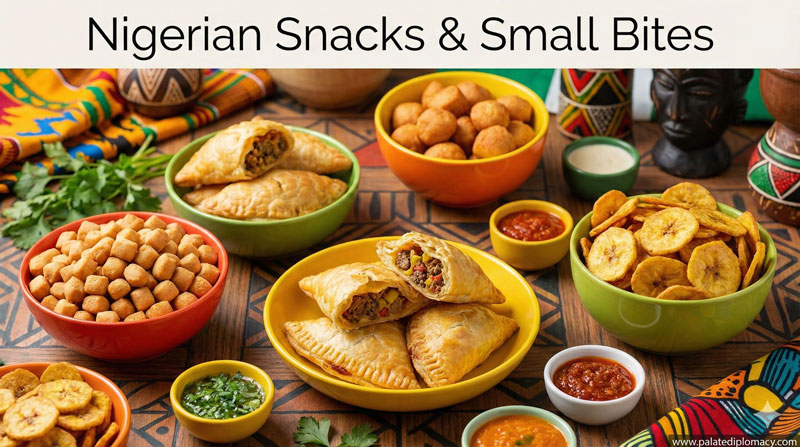
- Akara and puff-puff with a twist: Bean cakes and fried dough remain pantry classics. Reinvented versions introduce alternate flours, subtle sweet-salty glazes, and dipping sauces that brighten the flavors while preserving their comforting heart.
- Savory buns and wraps: Simple bread doughs and fried bites become portable meals with salads, peppers, and tangy dressings. The best reinventions balance convenience with vibrant, clean flavors.
- Street choruses: Small plates and snack pairs, designed for sharing, create social rituals. These combinations invite neighbors to sample, compare, and celebrate together.
What ties these dishes together is the commitment to craft. Reinvented street food keeps the technique honest while allowing creative expression. The dishes feel simultaneously rooted and contemporary, making them attractive to a wide range of palates.
Cultural Value: Food as a Social Craft
Beyond flavor, reinvention honors a social practice. Street food thrives where people gather: markets, bus stops, school gates, and festival corners. This is where stories flow as freely as steam from a hot pan. Vendors become custodians of technique, passing down tips and family secrets to apprentices who carry the craft forward.
Respect for ingredients matters. Fresh peppers, aromatic herbs, and bright citrus are not just components; they are a language. The same ingredients speak differently across neighborhoods, letting each vendor give a distinct voice to a familiar dish. That diversity is a strength, inviting people to explore and celebrate regional preferences and personal memories.
Reinvented street food also supports local economies. Small stalls and mobile carts bring opportunities to families and neighborhoods. The act of sharing a plate creates social bonds and a sense of belonging. People return not only for flavor but for the warmth of the encounter—the friendly greeting, the careful technique, the promise of something well made.
Culinary Significance: Craft, Flavor, and Identity
Culinary significance arises when a dish communicates skill and identity at once. In Nigeria, reinvented street food does this by:
- Displaying technical prowess: Precision in tempering heat, layering flavors, and balancing textures shows training and care. The plating, even on a paper plate, can reveal a chef’s technique.
- Reflecting regional character: Different cities and markets bring their own flair. The same dish may carry unique spice notes or preparation styles that reflect local taste profiles and seasonal produce.
- Encouraging experimentation: By inviting new ingredients or formats, reinvention pushes culinary boundaries without erasing tradition. It creates a bridge between what was and what could be.
- Highlighting sustainability: Emphasis on seasonal ingredients, waste-minimizing practices, and practical packaging demonstrates a thoughtful approach to food trends.
This blend of craft, place, and possibility makes reinvention more than a trend. It becomes a living map of Nigerian food culture, accessible to everyone and open to continuous exploration.
The Experience: How to Enjoy Reinvented Street Food
To truly appreciate reinvention, approach it with curiosity and patience.
- Look for freshness: Bright colors, crisp textures, and fragrant aromas signal quality.
- Notice the balance: A good reinvention respects heat, acidity, and sweetness in equal measure.
- Pair with context: Enjoy bites as part of a shared moment—conversations, music, and friends nearby amplify the experience.
- Respect the craft: Observe the preparation, the careful handling of ingredients, and the pride in the finished bite.
In cities across Nigeria, vendors adapt with the seasons and the crowd. The same street corner can offer a new flavor profile in spring, another twist in autumn. This dynamic keeps street food alive and inviting year after year.
Accessibility: A Welcome for All Tastes
Reinvented street food welcomes a wide audience. It respects different dietary preferences and offers choices that suit various needs. Plant-based options, lighter spice levels, and thoughtfully prepared alternatives make this cuisine approachable without losing its bold spirit. The emphasis remains on quality, warmth, and the joy of sharing a well-made bite.
A Note on Craft and Community
The beauty of reinvention is How It creates a loop of learning and sharing. Younger cooks learn from seasoned vendors, while seasoned cooks gain fresh insight from new ingredients and techniques. This exchange sustains tradition while inviting evolution. The result is a community that treats food as a mutual treasure rather than a mere commodity.
Conclusion: An Ever-Evolving Flavor Map
What makes street food reinvented so special in Nigeria is not a single trick or a single dish. It is the combination of skilled technique, fresh ingredients, and a welcoming spirit that invites everyone to participate. It is the way markets become theaters, cooks become mentors, and a simple bite becomes a gateway to culture. The reinvention of Nigerian street food honors the past while inviting the future to the table. In every stall, there is a story of flavor, craft, and shared joy—a reminder that food can be a graceful bridge between tradition and tomorrow.