
What Makes Cinnamon Buns So Special in Nordic Cooking
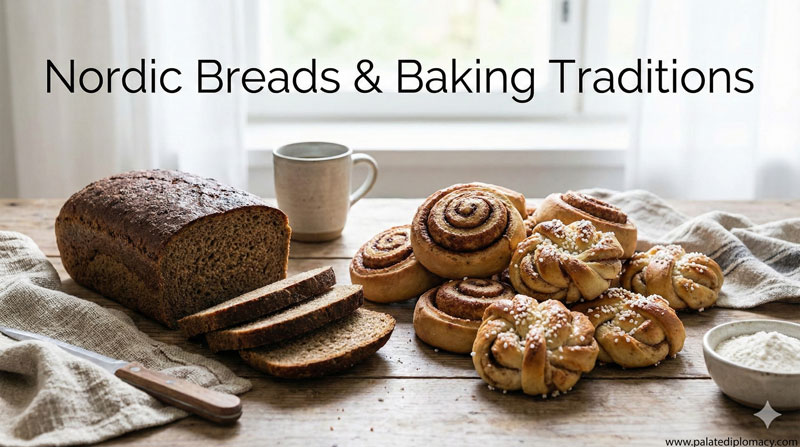
Cinnamon buns, known as kanelbullar or kanelsnegle in Nordic languages, are a warm thread woven through daily life. They carry fragrance, texture, and a shared sense of craft. In Nordic cooking, these buns are more than a treat; they are a gentle celebration of time at Home, skill in a kitchen, and a moment of comfort that travels from morning to afternoon. The balance of sweet and spice, the softness of the dough, and the shine of a caramelized edge bring a calm, welcoming mood to any table. This dish invites care, patience, and a slow savor of aroma that lingers in the air long after the first bite.
The Fika Tradition: A Pause in the Day
In many Nordic homes, the ritual of fika frames everyday life. A cup of coffee or tea meets a cinnamon bun in a small ceremony of pause and connection. Fika is as much about conversation as it is about a snack. The cinnamon bun becomes an edible invitation to slow down, share a story, or simply enjoy a quiet moment with someone dear. The scent of cinnamon drifting from the oven elevates this moment, making it feel timeless and intimate. Through fika, the bun earns a cultural role that goes beyond sweetness: it becomes a signal of hospitality and a gentle reminder to savor daily rituals together.
The Dough and Filling: Texture, Aroma, and Balance
The dough is an enriched yeast dough, light and tender. Milk or a mix of milk and water adds tenderness, while butter brings richness and a velvet crumb. Sugar provides a soft sweetness, and a touch of salt anchors the flavors. Some bakers add a whisper of cardamom to the dough or filling, for a citrusy, spicy note that elevates the aroma. The filling is a smooth harmony of softened butter, cinnamon, and brown sugar. When spread evenly and rolled, the swirl reveals a map of flavor and a gleam of glossy caramel as the bun bakes. The result is a warm, aromatic bite: pliant yet defined, with a gentle snap at the edges and a moist, fragrant center that lingers on the palate.
Regional Variations in Nordic Kitchens
Nordic cuisines offer delightful variations while preserving core traits. In Sweden, kanelbullar often show a balanced sweetness and a prominent cinnamon aroma, sometimes enriched with cardamom in the dough. Denmark brings kanelsnegle, sometimes with citrus zest or lighter glazes that give a bright finish. Norway offers kanelboller that showcase a soft crumb and a glossy finish, with regional twists in spice and toppings. Finland presents korvapuusti, where cinnamon meets a distinctive dough texture, reflecting local baking traditions. Across these lands, the buns share technique and spirit, yet they carry regional character through spice notes, dough texture, and finishing touches. This diversity enriches Nordic cooking, showing how a single beloved pastry can adapt to different tastes while remaining deeply recognizable.
The Craft Behind Every Swirl
The making of a cinnamon bun is a quiet act of craft. The dough rests and rises, and hands work to roll and twist the filling into ribbons of flavor. The shaping is a tiny performance: rolling, cutting, and often forming a spiral that reveals the cinnamon layer when sliced. The timing of proofing matters; too little rise and the crumb feels dense, too much and the texture can be airy but fragile. The glaze or sugar dusting on top adds a final glow, inviting a first bite with anticipation. In home kitchens and bakeries alike, the technique emphasizes patience, balance, and pride in your own kitchen skills. The result is a bun that feels handmade, comforting, and finely crafted.
Modern Nordic Buns: Innovation within Tradition
Today, bakers blend tradition with contemporary touches. Whole-grain flours, rye blends, or oat milks appear in some recipes, offering nuanced textures and deeper flavors while honoring the classic profile. Chefs explore regional spices, citrus zest, or subtle toppings that enhance the aroma without overpowering the cinnamon essence. Yet the essence remains: a soft, fragrant interior, a tender crumb, and a glossy surface that invites a slow, thoughtful bite. In cafés and home kitchens alike, the cinnamon bun continues to adapt to modern palates while preserving its warm core. It stands as a bridge between heritage and present-day creativity, a pastry that travels well from morning light to late-afternoon tea.
Cinnamon Buns as a Cultural Guide
In Nordic cooking, the cinnamon bun acts as a cultural guide—pointing to values of hospitality, sharing, and everyday beauty. It teaches how a simple dough, a familiar spice, and careful bake time combine to create something greater than the sum of its parts. The ritual of making and sharing buns shapes memories and rituals, making the kitchen a place of welcome and conversation. The bun’s enduring appeal lies in its balance: sweetness that never overwhelms, spice that lifts the aroma, and a texture that feels both soft and resilient. Together, these elements reveal the beauty of Nordic Food Culture: thoughtful, warm, and inviting to all who gather to taste.
Conclusion
Cinnamon buns hold a cherished place in Nordic cooking. They symbolize a culture that values careful preparation, shared moments, and the joy of a well-made pastry. From the aroma that fills the room to the last crumb on the plate, these buns celebrate warmth, craft, and community. Whether enjoyed with a cup of coffee during a quiet afternoon or shared as a comforting treat on a family morning, the cinnamon bun remains a beautiful expression of Nordic flavor and tradition. In every bite, one tastes the harmony of texture, spice, and ritual that defines this beloved pastry.