
What Makes Cinnamon Buns Special in Nordic Cooking
Cinnamon buns, known as kanelbullar in many kitchens, are a celebration of warmth and craft. They sit at the Heart of Nordic cooking as a daily treat and a quiet ritual. This post looks at their cultural value and culinary significance, kept timeless and welcoming.
The Aroma as a Cultural Marker
The scent of cinnamon and butter travels through homes as soon as a tray enters the oven. It signals a moment to pause and enjoy. In Nordic rooms, this fragrance invites conversations, smiles, and shared time. The aroma becomes a memory that families carry from one season to the next. That simple smell links people to memory and place, year after year.
Dough Craft: The Heart of the Bun
At the core, a kanelbulle is a soft, yeasted dough. Milk, butter, and sugar cradle the yeast, creating a tender crumb. A touch of cardamom often appears in the dough or filling, adding warmth and a hint of citrusy spice. The technique matters: gentle kneading, patient proofing, and careful handling keep the dough light. When rolled with a cinnamon-sugar filling, the dough becomes a ribbon of flavor. The result is a bun that holds its shape yet melts in the mouth.
Filling and Form: The Ribbon of Flavor
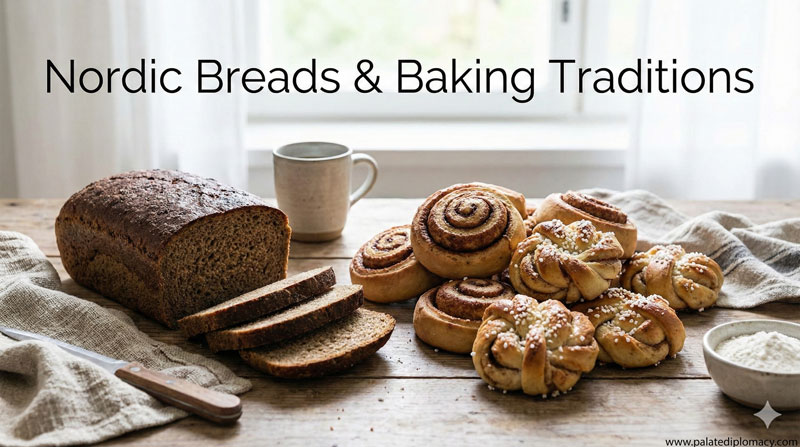
The filling is a simple blend: cinnamon, brown sugar, and melted butter. This combination releases a caramel-tinged sweetness as it bakes. Bakers often twist the dough into spirals or shape it into rounds that resemble tiny sunbursts. Each form highlights the swirl of cinnamon and the glossy glaze that may follow. This clarity of flavor—cinnamon, butter, and dough—defines the bun’s character in Nordic cooking.
Fika, Family, and Social Space
Cinnamon buns are inseparable from the Nordic concept of taking a break with company. Fika, in Sweden, is a cherished pause for coffee and pastry. In Norway and Denmark, the practice of sharing coffee and cake creates a similar sense of community. A table with buns invites conversation, laughter, and a moment of normalcy in a busy day. The bun becomes a conduit for social connection, not just a snack.
Seasonal and Regional Variations
Nordic bakers adapt the bun to seasons and local tastes. Some prefer a lighter, milky dough for a delicate bite; others enrich it with a touch more butter for depth. Cardamom, orange zest, or almond paste can appear as variations, offering new layers while honoring tradition. Regions may favor certain shapes or sizes, yet the essence remains the same: a warm, shared pastry that marks ordinary days with a special moment.
The Modern Kitchen and the Art of Baking
Today, bakers blend tradition with creativity. Whole grains, sourdough starters, and shorter proofing times appear in contemporary kitchens. Yet the aim stays consistent: to produce a soft, fragrant bun that welcomes a moment of calm. The cinnamon bun adapts to modern life while preserving its familiar heart. In this balance, Nordic cooking shows how heritage can live in new forms.
A Living Tradition
Cinnamon buns embody a mutual respect for craft and comfort. They remind us that good flavor grows from careful technique, generous hospitality, and shared moments. The bun’s sweetness is matched by a quiet dignity—an everyday luxury that belongs to kitchens across the Nordic region.
Conclusion: A Gentle keepsake of Nordic Food Culture
In Nordic cooking, cinnamon buns are more than pastry. They are a symbol of welcome, craft, and seasonal rhythm. They invite us to slow down, sip coffee, and savor the moment with others. The beauty of these buns lies in their simple ingredients, practiced technique, and the warmth they bring to daily life.