
The Cultural Value of Open-Faced Sandwiches
Open-faced sandwiches sit at the Heart of Nordic cooking as more than a quick meal. They are daily rituals that celebrate place, season, and craft. In homes and cafés, the act of preparing and sharing these dishes signals care, attention to detail, and respect for ingredients. The bread becomes a stage, the toppings a chorus, and the eater a participant in a quiet, shared moment. This is how open-faced sandwiches earn their place in the culture: not only for nourishment, but as a practiced art of balance and simplicity.
Two ideas guide the tradition. First, ingredients are chosen with care for freshness and season. Second, the preparation honors the natural flavors rather than masking them. The result is a dish that feels honest, calm, and confident. People from all ages enjoy it, from busy workers choosing a satisfying lunch to families gathering around a weekend table. The dish grows in meaning through repetition: each layer, each slice, each garnish adds to a familiar, comforting experience. This is the cultural heartbeat of open-faced sandwiches in Nordic cooking.
Craft and Care: The Building Blocks
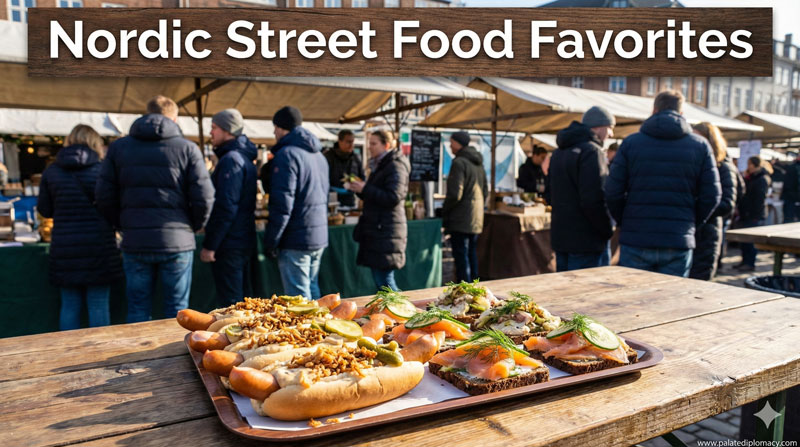
The artistry begins with the base. A sturdy, dark rye bread often serves as the foundation, its texture and flavor anchoring the toppings. A thin spread of butter or cultured fat greases the surface, creating a glossy sheen and a smooth flavor from the first bite. Then comes the topping, layered with intention. A slice of smoked salmon, a wedge of boiled egg, a wedge of cucumber, a ribbon of pickled onion—each element has a purpose. The toppings are arranged for color, contrast, and balance, not only for taste but for sight. The plate becomes a small canvas, and the maker, a careful painter.
Technique matters. Small touches—thinly sliced fish, a fine grate of hard cheese, a dash of fresh dill—lift the dish without overwhelming it. The sequence matters as well: a crisp vegetable next to a creamy spread, a salty item balanced with a sweeter note. The idea is restraint: let a few excellent ingredients shine together, in harmony. This discipline reflects Nordic culinary values: clarity, precision, and appreciation for texture.
Plate, Palate, and Presence
Open-faced sandwiches engage more than the palate. They invite the eye to linger and the senses to travel. The visible layers tell a story: salmon’s glow against rye, the pale yellow of a hard-cooked egg, the green of herbs. Colors are chosen to be inviting and elegant, not loud. The aroma guides the experience, with herbs offering a final bright note as the bite lands. The texture plays a key role: the crusty bread, the creamy spread, the tender topping, and the crisp garnish create a satisfying dance in the mouth.
In Nordic dining, presentation is part of hospitality. The dish is designed to be shared, admired, and discussed. A well-prepared open-faced sandwich makes even a simple meal feel special. The simple truth is that care in construction translates to care in the moment, inviting conversation about ingredients, technique, and seasonal favorites. The result is a dining experience that is calm, confident, and deeply appealing.
Seasonality and Regional Flair
Seasonality guides open-faced sandwiches. In warmer months, light toppings like cucumber, radish, herbs, and lemon zest complement vegetable and fish accents. In cooler seasons, pickled vegetables, smoked or cured fish, beets, and hearty cheeses anchor the plate. The same foundational method—bread, spread, toppings—adapts to what the season provides. This adaptability keeps the dish fresh year-round and rooted in local abundance.
Regional variations thrive within this framework. In coastal areas, fish plays a starring role, with delicate fillets or smoked varieties sitting atop crisp, hearty bread. Inland regions might favor eggs, creamy cheeses, and fresh herbs from the garden. The beauty of open-faced sandwiches lies in this range: a shared method that rewards local flavors and personal taste. Each region adds its own signature without straying from the core idea of balance, clarity, and respect for ingredients.
A Ritual of Sharing
Open-faced sandwiches flourish in social settings. They are often presented on a long platter, inviting guests to assemble or choose a composition that suits their moment. The act of assembling a plate becomes a gentle conversation, a way to honor the cook’s effort and the eater’s preferences. This social element matters. It reinforces a sense of belonging around the table, where food becomes a connector rather than a mere necessity.
Even in a busy life, time spent savoring a thoughtfully prepared open-faced sandwich can feel restorative. The ritual invites patience and care, encouraging people to notice the textures, the colors, and the aroma. In Nordic cooking, sharing such a dish reinforces hospitality and community, two essential threads in the fabric of daily life.
A Simple Dish with Lasting Beauty
Open-faced sandwiches embody a quiet elegance. They show how a few well-chosen elements, arranged with care, can create a meal that is both comforting and refined. The beauty lies not in complexity, but in balance, texture, and restraint. This is the essence of Nordic cooking: take what is true to the land, present it with clarity, and invite others to pause, observe, and enjoy.
If you are exploring Nordic flavors, start with open-faced sandwiches. Learn the rhythm of the toppings, the virtue of good bread, and the art of plating. You will discover a dish that feels timeless, inviting, and deeply satisfying. In every bite, you taste a culture that values freshness, craft, and the joy of sharing a humble, beautiful supper.