
Introduction
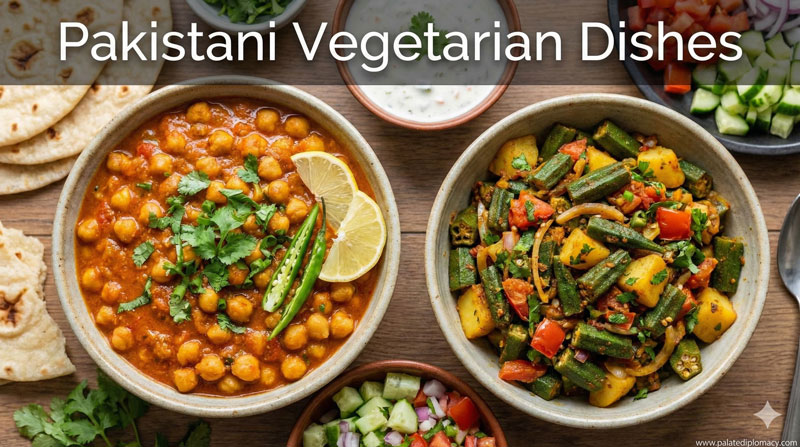
What Makes chickpea curry so special in Pakistan goes beyond its rich flavors. This humble dish sits at the heart of many kitchens, markets, and family gatherings. It blends simple ingredients with careful technique to create a comforting, vibrant meal. The dish embodies careful balance: hearty chickpeas, warm spices, and a tangy, bright gravy. It is a staple that travels easily from a busy weekday dinner to a slow Sunday simmer, always inviting and generous.
The soul of the dish: Chickpeas and spice
Chickpeas form the foundation. They are nutritious, affordable, and versatile, which is why they appear so often on the table. Soaking the chickpeas softens them for a tender bite and a creamy texture when cooked. The masala base—onions, tomatoes, ginger, and garlic—develops depth as it braises slowly. Spices such as cumin, coriander, turmeric, and garam masala bring warmth, while chili adds gentle heat. A touch of tang, from amchur or tamarind, brightens the gravy and lifts the flavors. Finally, a fresh finish of chopped cilantro completes the dish. The result is a fragrant, comforting curry that welcomes both a quick family supper and a larger, shared meal.
Tips that help the dish shine:
– Layer flavors by sautéing onions until deeply colored, then add the spices.
– Use a tomato base with a touch of sweetness to build balance.
– Finish with fresh herbs and a squeeze of lemon or a touch of tangy fruit to brighten the gravy.
Hospitality on a plate: Social and cultural value
Chickpea curry is more than good food; it is a gesture of hospitality. Families prepare it for everyday meals, for guests who arrive without warning, and for weekend gatherings. The aroma travels through the home, inviting others to sit together and share. In many neighborhoods, a pot simmers on the stove as neighbors exchange stories, a small bowls of curry arrive with steaming rice or warm bread, and a chorus of praising notes follows. The dish also appears in street food stalls, where skilled cooks adjust heat and tang to delight passersby. In these moments, the curry becomes a ritual of welcome—an edible signal that there is always room at the table.
Regional echoes: Variations across Pakistan
Regional influence shapes the dish while preserving its essence. In Punjab, the curry often carries a bright, robust profile with a slightly tangy edge. The pairing with bhature or rice is iconic, and the balance between spice and tang can be tuned to taste. In Sindh, cooks may lean toward a bolder sour note or a richer gravy, sometimes using tamarind to deepen the overall brightness. Across other provinces, cooks adjust the level of heat and the emphasis on certain aromatics—green chilies, mint, or coriander—while keeping the core technique intact. These regional twists celebrate local pantry staples and preferences while preserving a shared love for chickpeas in a fragrant, saucy coat.
Pairings and serving traditions
The most natural companions to chickpea curry are simple staples that let the curry shine. Steamed basmati rice gently soaks up the sauce, while fresh naan, roti, or bhature offers a satisfying bite to scoop every bit. A small wedge of lemon or lime adds a quick brightness, and a handful of fresh cilantro brings a verdant note. On the side, lightly pickled vegetables or a cool yogurt-based side dish can balance the warmth of the curry. The serving rituals are gentle reminders of togetherness: everyone dips, shares, and savors in unhurried moments.
Texture, technique, and the beauty of simplicity
The beauty of chickpea curry lies in its texture and the way the flavors unfold with patience. Tender chickpeas meet a velvety gravy that clings to each piece. The technique rewards calm, steady simmering and careful spice layering. This is food that respects the ingredients and the cooks who bring them to life. It invites experimentation while staying firmly rooted in tradition. The result is not only a meal but a shared experience that many families look forward to repeating week after week.
Cooking tips for home kitchens
- Soak chickpeas overnight for tenderness and quicker cooking.
- Start with a tomato-onion base to create a rich, glossy gravy.
- Toast whole spices briefly to awaken their aromas before grinding or adding.
- Taste and adjust tanginess at the end with a touch of amchur or tamarind.
- Garnish with fresh cilantro and a squeeze of lemon to brighten the dish.
Conclusion
Chickpea curry in Pakistan stands out for its inviting aroma, comforting texture, and adaptable spirit. It is a dish that welcomes people, honors family cooking, and reflects regional flavors with grace. Its cultural value is clear in the way it travels from home kitchens to bustling stalls and into the shared moments around a table. For many, this curry is more than nourishment—it is a traditional expression of care, hospitality, and the enduring beauty of Punjabi, Sindhi, and broader Pakistani culinary heritage.