
What Makes Samosa Chaat So Special in Pakistan
Samosa chaat is a bright thread in the everyday tapestry of Pakistani Food Culture. It turns a simple street bite into a moment of shared delight. Warm, crisp samosas meet cool yogurt, tangy chutneys, and a chorus of textures. The result is not just a snack; it is a cultural gesture of welcome, care, and daily celebration. In Pakistan, this dish travels from busy market lanes to home kitchens, carrying a familiar aroma and a sense of togetherness. It speaks to how food habits can be both comforting and expressive, inviting people to slow down, notice flavor, and enjoy a small, joyful ritual.
The Core Elements That Define the Dish
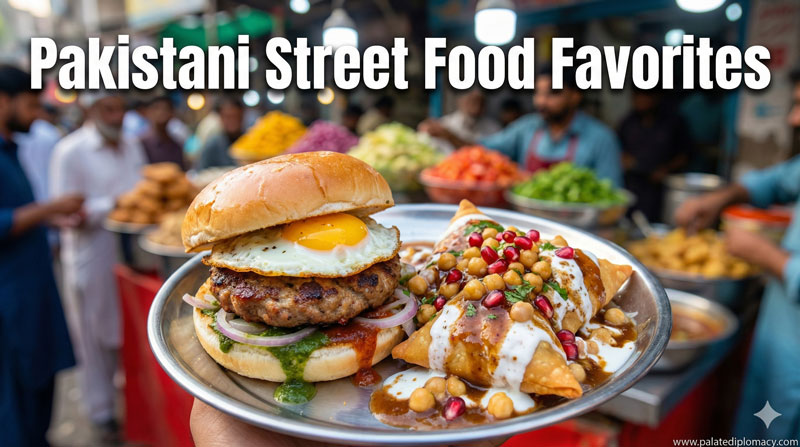
At its heart, samosa chaat is a careful layering of contrasts. A few crisp samosas—often potato-filled or spiced with peas—are broken into pieces and laid as a base. Chickpeas may join the mix, lending a hearty, earthy note. Then comes the cooling swirl of yogurt, which softens the heat and brings a creamy texture that binds the flavors. Two chutneys tell The Story of sweetness and brightness: tamarind for a sweet-sour sharpness and mint for a green, refreshing lift. A shower of chopped onions, fresh coriander, and a generous dusting of sev (thin fried noodles of chickpea flour) add crunch and aroma. A final kiss of chaat masala and sometimes pomegranate seeds ties the dish together with a spark of acidity and color. Each element matters, and together they create a balanced, inviting bite.
Texture and Flavor: A Culinary Dance
The magic of samosa chaat lies in its texture gymnastics. The base is crisp and warm, the yogurt is cool and smooth, and the chutneys offer bright, tangy notes that cut through the richness. Then comes the crunch of sev, which stays crisp just long enough to contrast with softer components. Each bite moves from sweet to tangy to spicy, with a light hint of smoky warmth from the spices in the samosas. The seasoning—chaat masala and a pinch of red chili—nudges the dish toward a clean, lingering finish. This playful layering makes the dish feel both comforting and exciting, a culinary performance that happens in a single bowl. It rewards attentive tasting and quick, shared enjoyment.
Regional Echoes: Variations Across Pakistan
Across Pakistan, cooks bring local ingredients and memories to samosa chaat, creating gentle regional variations. In bustling cities, vendors might adjust chutney sweetness by favoring tamarind with a touch more jaggery or honey, producing a brighter or deeper tang. In coastal-adjacent towns, a hint of fresh coriander-lemon zest can brighten the chutneys, while in inland areas, extra chaat masala and chili powder accentuate a heartier spice profile. Some kitchens garnish with pomegranate seeds for a ruby sparkle, while others rely on chopped green chilies for a sharper bite. Regardless of the tweaks, the dish centers on a shared principle: a harmony of crisp textures, cool dairy, and bold seasonings that echo local palate loves and seasonal produce. This adaptability reflects the warmth of Pakistani street food culture, where each neighborhood leaves its own flavorful signature.
Social Heartbeat: Sharing and Ceremony
Samosa chaat shines most when it is shared. It appears at busy markets, after prayers, at family gatherings, and as an everyday treat that friends pass between hands with a smile. The act of assembling a bowl—warm samosas, chickpeas, yogurt, chutneys—then sharing it over a cup of chai creates a small ceremony of hospitality. It is an accessible dish, enjoyed by people young and old, offered to guests as a sign of welcome, and often prepared with care by home cooks who blend patience with playfulness. In this sense, samosa chaat becomes more than food; it is a social ritual that celebrates community, conversation, and the simple joy of breaking bread together.
Craft and Craftsmanship: The Local Cook’s Skill
The craft of making samosa chaat rests in balance and timing. A skilled cook knows when the samosas are crisp enough to withstand a drizzle of sauces, and when the yogurt should be spooned to achieve the right coolness without turning watery. The chutneys must be perfectly aligned in sweetness, sourness, and fragrance, so they lift rather than overwhelm. The granules of sev must be fresh to provide that delicate crunch, and the onions should be finely diced to avoid overpowering the palate. Seasoning is a careful dance: a light hand with chaat masala to enhance aroma, a touch of salt to synchronize flavors, and just enough chili to keep the dish lively without burning. This attention to balance reveals the quiet mastery behind a seemingly simple street dish.
Pairings and Moments: When People Reach for Samosa Chaat
Samosa chaat often appears alongside hot chai, chilled lassi, or a glass of cool water on a bustling day. The pairing feels natural: the warmth of tea contrasts with the dish’s cool yogurt, while the spice and chutneys echo in the beverage’s own notes. It is common to find samosa chaat enjoyed as an afternoon pick-me-up, a post-work snack, or a festive bite during family gatherings. The dish also finds a place in informal meals with friends, where everyone contributes a little extra chutney or a handful of onions to personalize their bowl. In these moments, the food becomes a bridge—between taste, memory, and social connection—made tangible in a single shared plate.
A Closing Note: The Place of Samosa Chaat in Pakistani Food Culture
If you pause to listen to a busy street, you might hear the quiet song of samosa chaat. It is a dish that celebrates texture, balance, and the generosity of everyday cooking. Its value is not measured only by flavor, but by its ability to bring people together in a moment of simple pleasure. In homes and markets across Pakistan, cooks keep refining the recipe, honoring tradition while embracing fresh ingredients and personal touch. Samosa chaat stands as a small, joyful ambassador of Pakistani food culture—humble, vibrant, and eternally inviting. By savoring it, we appreciate how a single plate can reflect community, craft, and the warm spirit of sharing meals with others.