
Introduction
What makes Samosa Chaat special in Pakistan goes beyond taste. It is a celebration of texture, balance, and a shared sense of hospitality. In markets, kitchens, and home dining rooms, this Beloved Dish invites people to gather, slow down, and enjoy a plate that tells a story of everyday pride and craft. The bright colors, the sizzling sound of crisp samosas, and the chorus of flavors create an experience that many Pakistanis return to with delight. This post explores the cultural value and culinary significance of Samosa Chaat, focusing on how it fits into daily life and festive moments alike.
The Core Components that Shape the Dish
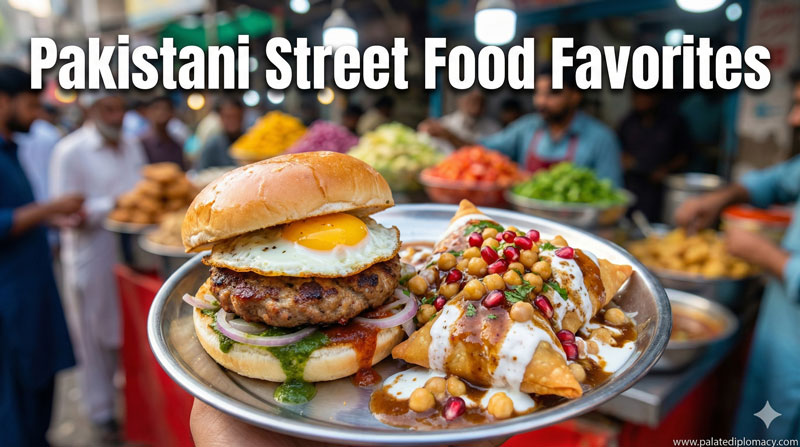
Samosa Chaat rests on a simple idea: take a crisp, golden samosa and pair it with a chorus of toppings that brighten each bite. Split or broken samosas form the base, then are topped with soft yogurt for creaminess, seasoned chickpeas or potatoes for substance, and two chutneys—tamarind for tang and mint for freshness. A shower of sev adds crunch, with fresh coriander, pomegranate seeds, and a pinch of chaat masala finishing the plate. Each component plays a role: the samosa offers snap, the yogurt smooths, the chutneys sharpen, and the seeds punctuate with sweetness. The result is a multi-layered plate that rewards careful tasting as flavors unfold from one bite to the next.
Texture and Flavor: A Sensory Dance
Samosa Chaat delights the senses through contrast. The cold creaminess of yogurt meets the warm, crisp edges of the samosa. Crunch from sev contrasts with the softness of chickpeas or potatoes, while the chutneys introduce sweet-sour notes. The micro-malting of chaat masala brings a final sparkle, Like a tiny spark of sunshine on the palate. This texture balance makes Samosa Chaat approachable for all ages, inviting leisurely savoring rather than a rushed bite. In Pakistan’s bustling food scene, the dish becomes a canvas for skilled layering, where each add-on enhances rather than overwhelms the others.
Cultural Value: Shared Plates and Warm Hospitality
In Pakistan, food often serves as a language of welcome. Samosa Chaat embodies this spirit through shared plates, friendly conversations, and the generosity of street vendors and home cooks alike. A plate of chaat signals hospitality—guests are offered something vibrant and satisfying, a gesture that says, “You are welcome here.” Families revive old recipes, neighbors swap tips, and friends gather after work or school to enjoy a plate together. This ritual of sharing reinforces social bonds and keeps traditional flavors alive in a modern world. The dish also travels through markets and cafes, allowing people from different backgrounds to connect over a familiar favorite.
Regional Variations Across Pakistan
Pakistan’s regions bring subtle shifts to Samosa Chaat while honoring its core identity. In some cities, the chutneys lean zestier, with a stronger mint note or a touch more tamarind to brighten the plate. Boiled potatoes or chickpeas may appear more prominently in certain areas, lending a heartier texture. The choice of toppings can vary—some cooks favor a higher amount of sev for extra crunch, while others add crushed coriander seeds or fresh herbs for a fragrant lift. These regional touches celebrate local tastes while keeping the dish instantly recognizable as Samosa Chaat. The result is a tapestry of flavors that reflects the diversity of Pakistan’s street food culture.
Social Rituals: Everyday Moments and Special Occasions
Samosa Chaat thrives in social settings. It appears at weekend family gatherings, during tea breaks with friends, and as a quick, satisfying option after work. Vendors at busy streets and “chaat corners” create a daily ritual where people pause, share stories, and savor a plate built in seconds. Festivals and celebrations also feature chaat as a quick, festive snack that fuels conversation and warmth. The dish adapts to these moments with grace: it can be enjoyed as a quick bite from a cart or as part of a larger spread on a kitchen counter, always inviting conversation and connection.
Craft and Craftsmanship: The Art in a Plate
Creating a memorable Samosa Chaat requires attention to balance and timing. The samosas must stay crisp, the yogurt smooth, and the chutneys bright. A skilled cook will adjust proportions to maintain harmony as toppings are layered. The gentle scatter of sev, the even sprinkle of chaat masala, and the careful placement of herbs all reflect a craft that respects tradition while allowing room for personal style. This craftsmanship Shines in both street kitchens and home kitchens, where shared technique becomes part of the dish’s enduring appeal.
Modern Echoes: From Street Corners to Home Kitchens
Today, Samosa Chaat reaches audiences beyond traditional street corners. Home cooks adapt it for family meals, while cafes and restaurants offer modern twists that honor the core flavors. Plant-based yogurt options, fresh herbs, and playful garnishes can appear without losing the dish’s essential character. Yet the heart remains the same: a plate that invites people to slow down, connect, and celebrate a staple of Pakistan’s vibrant food landscape. The balance between authenticity and gentle innovation keeps Samosa Chaat relevant and beloved across generations.
Conclusion
Samosa Chaat stands out in Pakistan for its joyful combination of texture, brightness, and communal spirit. It is more than a dish; it is a social moment, a daily ritual, and a bridge between family traditions and contemporary tastes. By embracing the crisp bite of the samosa, the tang of chutneys, and the warmth of yogurt, Pakistan’s Samosa Chaat reveals its true value: it invites people to gather, share, and celebrate the beauty of simple, skilfully prepared food.