
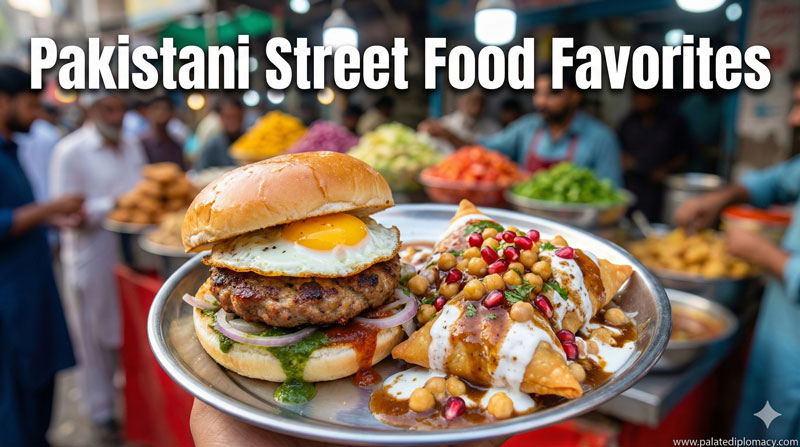
What Makes Samosa Chaat So Special in Pakistan
Samosa chaat is more than a snack. It is a living thread in Pakistan’s taste culture, weaving together street corners, family kitchens, and festive markets. The dish speaks in bright contrasts: crisp, warm pastry meeting cool yogurt; tangy tamarind chutney dancing with green mint; velvety potatoes kissing crunchy sev. In Pakistan, this combination is embraced as comforting and celebratory, a reminder that everyday meals can carry grace and artistry.
The Base: Samosa and Chaat Together
Samosa chaat begins with a humble samosa, usually filled with spiced potatoes and peas. In the chaat version, the samosa is split or crumbled, then layered with chickpeas or boiled potatoes. The result is a sturdy foundation that supports a chorus of toppings. The moment the chutneys flow over the pieces, the plate invites you to mix and taste with every spoonful. This is where technique becomes art: the balance between structure and softness, the way heat and acidity wake up the palate, and the way textures mingle from bite to bite.
A Symphony of Textures and Flavors
The beauty of samosa chaat is texture. First comes the crunch of the samosa pieces and the delicate crackle of sev. Then the soft, creamy coolness of yogurt, which cools and brightens the spice. Next arrive the chutneys—tamarind providing a sweet-sour undertone and mint offering a sharp, fresh note. A sprinkle of chaat masala adds a citrusy spark, while crushed onions and herbs lend bite and brightness. Each mouthful travels through layers: crisp to soft, tangy to creamy, savory to sweet. The result feels balanced, inviting, and entirely satisfying.
Freshness and Garnish: The Finishing Touches
Garnishes are not afterthoughts; they are essential to the dish’s mood. Fresh coriander leaves bring a herbaceous lift, while a squeeze of lemon further brightens the profile. Finely chopped onions add a bite that contrasts with the smooth yogurt. The tiny, crisp sev on top creates a final crunch, a small celebration in texture. Occasionally, pomegranate seeds or a few mint leaves appear, adding color and a burst of fresh flavor. The garnishes confirm that samosa chaat is a dish about freshness, seasonality, and careful detail.
Regional Variations Within Pakistan
Across Pakistan’s cities, samosa chaat adapts to local palates and ingredients while preserving its core identity. In busy markets of Karachi, you may find a bolder tamarind presence and a slightly sweeter chutney balance that resonates with street Flavors of the coast. In Lahore’s bustling streets, chaat masala feels a touch more aromatic, and the yogurt is often cooler, offering a soothing contrast to spicier elements. In smaller towns, home cooks may add a pinch of roasted cumin or swap chickpeas for garbanzo beans in a way that honors family recipes. Though the techniques vary, the dish remains a shared language of texture, brightness, and communal joy.
The Craft of Street Food: From Vendor to Plate
Samosa chaat embodies the skill and rhythm of street cooking. Vendors begin with freshly fried samosas or large batches cooled and cut to order. They lay down a bed of chickpeas or potatoes, drizzle both chutneys, spoon yogurt, and artfully scatter sev. The finishing touches—onions, herbs, and masala—are added with a practiced hand. The plate moves from cart to customer with efficiency and care. Clean bowls, fresh chutneys, and timely preparation signal pride in the craft. This is food made with speed and heart, designed to be shared and enjoyed in public spaces as a social ritual.
A Social Dish: Sharing, Hospitality, and Everyday Ritual
In Pakistan, food is a language of hospitality, and samosa chaat plays a central role in daily life. Friends meet after prayers and in markets, inviting a plate of chaat to spark conversation and laughter. Families assemble around a shared bowl, pass plates to one another, and exchange tips on achieving the right balance of heat and sweetness. The dish travels through generations, carrying stories of cooks who learned from mothers, grandmothers, and neighbors. Samosa chaat invites conversation as much as it invites taste, making it a beloved centerpiece in gatherings, snacks, and quiet evenings alike.
Ingredients and Techniques: A Simple Guide
Core components:
– Samosa pieces, either purchased fresh or freshly fried
– Boiled potatoes and chickpeas, lightly seasoned
– Yogurt, whisked smooth
– Tamarind chutney (sweet-sour)
– Mint chutney (green, aromatic)
– Chaat masala and ground cumin
– Finely chopped onions, fresh coriander
– Sev (crisp chickpea flour noodles)
– Optional garnishes: lemon juice, pomegranate seeds, extra herbs
Assemble with care:
1) Start with a bed of chickpeas or potatoes and lay the samosa pieces over them.
2) Drizzle both chutneys in a zigzag pattern to spread their brightness.
3) Spoon a generous amount of yogurt over the top, then sprinkle onions and herbs.
4) Finish with sev, a pinch of chaat masala, and a final squeeze of lemon.
5) Serve immediately to preserve the contrast of textures.
Tips for home preparation include using fresh chutneys, balancing sour-sweet notes, and not overloading the plate with yogurt, so the crunch remains distinct. The dish shines when each component shines on its own yet blends harmoniously when combined.
The Heart of Samosa Chaat: Cultural Significance
Samosa chaat embodies a cultural value that centers on sharing, warmth, and everyday delight. It is a dish that welcomes variation while preserving a recognizable identity. Its appeal lies in the way it can be simple or elaborate, humble or festive, depending on the moment. In homes and markets, this dish becomes a bridge between friends and family, a common ground where flavors are discussed, stories are exchanged, and smiles emerge with every bite. It is a celebration of textures, spices, and the care that goes into preparing a plate for another person. This is why samosa chaat feels timeless in Pakistan: it speaks to daily life, seasonal flavors, and the generous spirit of a kitchen ready to share.
Conclusion: A Dish That Connects Taste and Tradition
Samosa chaat is more than a snack; it is a reflection of Pakistan’s rich culinary imagination. The dish invites curiosity and rewards care, offering a multi-sensory experience that is both comforting and exciting. It invites cooks and diners to slow down just enough to notice textures, to savor balance, and to appreciate the artistry in a street corner plate. When you taste samosa chaat, you taste a culture that values community, craft, and the simple joy of gathering around good food. In every city and kitchen, this dish remains a warm handshake between tradition and today, a testament to the beauty of cooking that welcomes everyone to the table.