
What Makes Samosa Chaat So Special in Pakistan
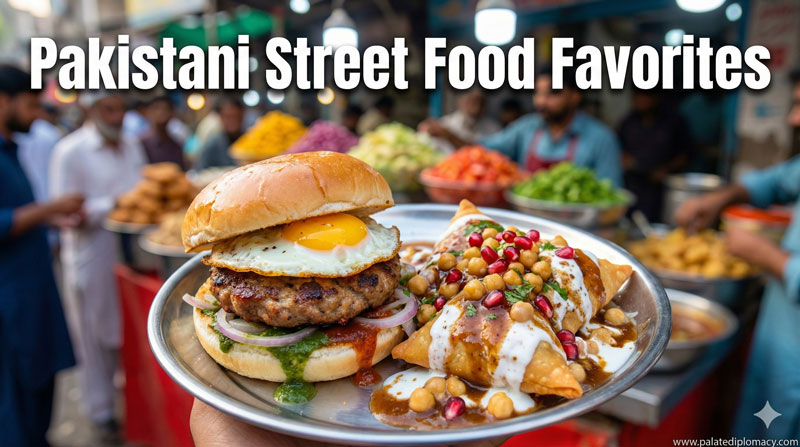
Samosa chaat captures a beloved goodwill in Pakistani Food Culture. The dish blends humble ingredients into a bright, festive bite. It starts with fried samosas broken into pieces, then layered with potatoes and chickpeas. Tangy tamarind and fresh mint chutneys wake the palate. A swirl of yogurt adds creaminess, followed by chaat masala, onions, coriander, and sev for crunch. In homes, markets, and small eateries, this dish shines as a celebration of shared flavors. It invites conversation as much as it invites taste.
A Symphony of Textures and Flavors
Samosa chaat is a balance of contrasts. The samosa brings crisp edges and a soft interior. Potatoes and chickpeas offer heartiness. The chutneys provide bright sweetness and sour notes, while yogurt cools the heat. Spices linger in the aroma, especially cumin and coriander. Finally, the crunchy sev punctuates every bite. The result is a vibrant mosaic of textures and a chorus of flavors that delight the senses.
A Corner of the Street: Samosa Chaat in Markets
In Pakistan, street stalls and small shops are natural homes for this dish. The air is filled with the scent of fried pastry and fresh herbs. Vendors plate the chaat in bowls or on flat plates, then finish with a sprinkle of spice and herbs. People order it as a quick lunch, a post-work snack, or a late-night treat. The market scene adds social warmth, as neighbors and friends gather, share stories, and savor the familiar crunch together. This social rhythm is part of the dish’s charm.
The Build: Layers of Taste
To create the perfect plate, begin with mashed samosa pieces as a base. Next, add a layer of spiced potatoes and chickpeas. Then drizzle tamarind and mint chutneys, allowing their tang and brightness to mingle. Finish with yogurt for a cooling touch, dust with chaat masala, sprinkle chopped onions and coriander, and crown with sev. Each layer adds a distinct note, yet they harmonize in a single, satisfying bite. The rhythm of construction mirrors a moment of shared care and attention.
Regional Twists Across Pakistan
Different regions bring small touches that make the dish feel local and personal. Some stalls emphasize a sweeter tamarind tang, while others highlight a sharper mint zing. The thickness and texture of sev vary, adding a unique crunch in each city or town. A few places may add pomegranate seeds or crushed papri for extra texture. Yet the core idea remains the same: a crisp base, a warm heart, and a bright, balancing top. These regional touches enrich the dish without changing its spirit.
Social Moments: Sharing a Plate
Samosa chaat often arrives on a single shared plate or in family bowls. It becomes a focal point for conversation and connection. Friends gather after work, siblings gather for a weekend treat, and neighbors exchange recipes and tips. The act of passing the plate, tasting in turn, and commenting on tweaks makes the dish more than food; it becomes a ritual of togetherness. In this way, the dish supports daily joy and communal warmth.
The Craft of Preparation
The magic lies in attention to detail. Fry the samosas until they are crisp and golden, not soggy. Balance the chutneys so they sing without overpowering. Use fresh yogurt and a light hand with spices to keep the dish approachable. Fresh onions and herbs brighten the plate. With care, every element stays distinct while blending beautifully when eaten together. This craft connects cooks with tradition and care, inviting others to learn and share.
Pairings and Occasions
Pair samosa chaat with a hot cup of rich, aromatic chai for an ideal experience. A cool lassi can balance heat on warmer days. The dish suits casual gatherings, family meals, festival meals, and weekend markets alike. It travels well in small gatherings or large crowds, always inviting people to slow down and savor. In every setting, it remains a welcoming, comforting symbol of everyday delight.
Conclusion
What Makes samosa chaat so special in Pakistan is not just its bright flavors, but the way it lives in daily life. It links street corners to dining rooms, quick bites to lingering conversations, and simple ingredients to shared joy. The dish stands as a warm, inviting thread in the fabric of Pakistan’s food culture, celebrated in kitchens and markets alike. It invites everyone to taste, to smile, and to savor the beauty of a well-made bite.