
What Makes Sindhi Biryani So Special in Pakistan
Sindhi biryani is more than a dish. It is a welcome from the kitchen to the table, a warm memory carried from stove to plate. In Pakistan, this biryani holds a place of honor at celebrations and in everyday meals alike. Its bright colors, inviting aroma, and balanced tang of spices reflect a culture that values hospitality, shared meals, and careful craft. By exploring its ingredients, technique, and social rhythm, we see why Sindhi biryani Stands Out in the country’s rich culinary landscape.
A Dish Rooted in Sindh’s Food Culture
Sindh’s cooking speaks of land and river, farmers’ harvests, and family kitchens. Sindhi biryani traces its heart to this region, where the Indus valley nourishes communities and markets bustle with fresh produce, whole spices, and fragrant herbs. The dish travels from home to feasts, growing richer with each generation’s touch. It is created for gatherings, whether a wedding, a seasonal festival, or a harvest day, and it travels through households with a promise: the first bite brings a sense of welcome, care, and shared joy. The preparation itself becomes a ritual—measuring spices, layering grains, and watching steam rise as conversations flow around the stove.
The Unique Harmony of Ingredients
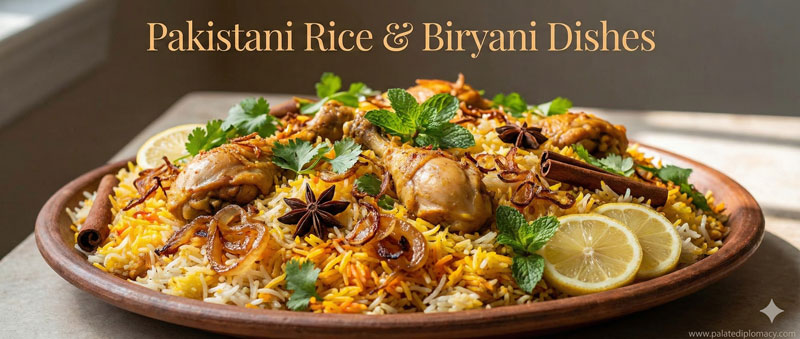
Sindhi biryani speaks with a bright, layered voice. Long-grain basmati rice forms the foundation, light and separate when finished. Meat or chicken joins the grains, marinated in yogurt and a blend of ground spices that may include coriander, cumin, fennel, and green chili. Potatoes are a signature touch in many Sindhi preparations, giving a comforting texture and a gentle sweetness that balances the heat. Fresh tomatoes add a mellow acidity, while a handful of chopped cilantro and mint lends brightness.
A key feature is the tangy, savory note—often achieved with kokum or a touch of tamarind, which brightens the dish without overpowering it. Fried onions, or birista, lend a caramelized sweetness and a striking color contrast. The finish is enriched with saffron milk, a drizzle of ghee, and a final sprinkling of fresh herbs. Together, these elements create a harmony of aroma, color, and flavor that feels both festive and homey at once.
The Craft of Dum Cooking
The heart of Sindhi biryani lies in its cooking method. The dish is layered with care: a first layer of meat and masala, then a blanket of parboiled rice, followed by another layer of meat and spices. The pot is sealed, often with dough or a tight cloth cover, to trap steam. This “dum” cooking invites slow, even heat from below, allowing flavors to mingle and rice grains to stay plump and separate. The result is a cohesive yet nuanced dish: grains that glisten with tempered oil, meats that remain tender, and spices that bloom gently as the steam travels through every layer. The technique rewards patience and attention, turning cooking into a shared, ritual-like act that enhances its cultural meaning.
A Ritual of Sharing and Hospitality
In Pakistan, Sindhi biryani embodies hospitality. It arrives at the table with generosity and care, inviting guests to taste first and feel welcomed. Servers and family members often plate portions with a sense of ceremony, offering ample portions to elders and neighbors as a sign of respect and friendship. The meal is typically accompanied by cooling raita, fresh salad, and sometimes a tangy chutney, all of which balance the richness of the biryani. The practice of sharing reinforces bonds and creates a memory of generosity, making Sindhi biryani more than sustenance; it becomes a social ritual that sustains community ties and joyful occasions.
The Senses at the Table: Aroma, Color, Texture
The sensory world of Sindhi biryani is vivid. A fragrant waft of whole spices—cardamom, cloves, cinnamon—rises as the pot opens. Saffron threads drift through steam, tinting the rice with a warm golden hue. The surface shimmers with a constellation of fried onions, emerald mint, and green chilies. Each bite offers a balance: the softness of the rice, the tenderness of the meat, the tang from kokum, and the fresh lift of herbs. The textures—velvety, crisp, and al dente—create a dining experience that feels celebratory yet comforting, a reminder of home’s embrace and the care taken in preparation.
Sindhi Biryani in Everyday and Festival Life
Sindhi biryani holds steady presence in both daily life and festive moments. On ordinary days, families may prepare it for a special dinner or to welcome guests who drop by. On weddings and seasonal festivals, it becomes a centerpiece that embodies joy and abundance. The dish travels kindly across kitchens, inviting cooks to add their own touches while preserving the essential harmony of rice, meat, and spice. This adaptability—paired with its enduring beauty—helps Sindhi biryani maintain a special place in Pakistan’s culinary memory.
Conclusion: A Timeless Favorite
Sindhi biryani is a celebration of culture through cooking. It reflects a tradition of hospitality, a mastery of layering and steam, and a love of bright, balancing flavors. Its cultural value rests in how it brings people together, how it honors guests, and how it turns a meal into a memorable shared experience. The dish invites curious palates to explore a region’s heart through scent, color, and taste, making Sindhi biryani a timeless favorite in Pakistan’s rich Food Culture. If you seek a dish that speaks of welcome, craft, and community, Sindhi biryani offers a warm invitation you can savor, bite by bite.