
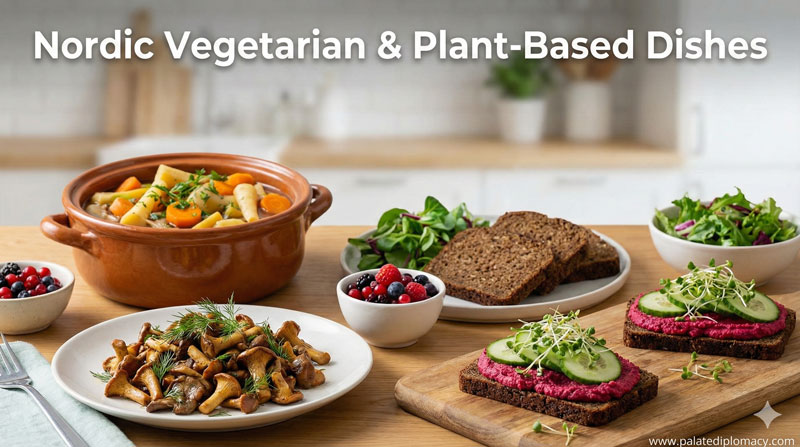
Berry salads brighten Nordic tables with color, scent, and a sense of togetherness. They celebrate the berries that thrive in cooler weather and the meals that bring people close. In this post, we explore the cultural value and culinary significance of Why Berry Salads Is One of the Most Loved Nordic Dishes.
About Why Berry Salads Is One of the Most Loved Nordic Dishes
This dish is more than a mix of fruit and greens; it is a quiet celebration of Nordic light and harvest. Cooks select berries at the peak of sweetness and pair them with local greens, dairy, and subtle herbs. Guests savor contrasts—tart berries against creamy textures, crisp leaves against soft fruit. The dish travels easily from the family kitchen to community gatherings, carrying a sense of welcome. Its appeal endures year after year because it mirrors everyday abundance without fuss. In conversations about Nordic food, berry salads are often cited as a gentle thread that ties families to nature.
The Fresh Nordic Berry Palette
Berries grow in abundance across Nordic lands, each offering a distinct note. Bilberries add deep blue sweetness, while cloudberries bring warm apricot brightness. Lingonberries offer a brisk tang that brightens any plate. Strawberries and raspberries provide familiar, comforting contrasts. Chefs balance these flavors with greens, nuts, and mild cheeses. This palette invites the palate to move between bold and gentle, quick and deliberate.
Texture and Balance in Nordic Berry Salads
Creamy dairy such as yogurt or a dollop of sour cream softens tart fruit. Crunch from nuts or seeds adds structure that lasts with every bite. Herbs like mint or dill lift the dish with a clean, bright note. A touch of citrus or a light honey drizzle can unify the flavors. The balance is gentle, never overpowering, allowing each element to sing. This careful balance reflects a broader Nordic kitchen ethic of harmony.
Seasonal Rhythm and Harvest Traditions
Fresh berry salads rise in popularity as small berries come into season. In spring and summer markets, vendors display baskets of bilberries and berries. In autumn, cloudberries and lingonberries join the lineup. Families gather to pick berries in nearby forests or hedgerows. The act of gathering itself becomes part of the meal’s meaning. Preparing a berry salad then becomes a small ritual of gratitude for the harvest. The seasonal pattern connects daily meals to the land.
The Social Plate: Berry Salads in Gatherings
Berry salads grace breakfast buffets, picnic spreads, and festive tables. They invite conversations about seasonal finds and shared recipes. Hosts offer a platter and a moment for guests to choose, mix, and taste. Simple dressings encourage conversation rather than culinary bravado. The dish fits easily into varied menus, making everyone feel included. In Nordic hospitality, such salads symbolize warmth and care.
Regional Variations Across Nordic Countries
Sweden might present silver-bells of lingonberry with mild cheese and greens. Finland favors bilberry and cloudberry arrangements with creamy yogurt. Norway often adds fresh herbs and a touch of honey to balance tang. Denmark offers compact plates where berries meet crisp greens and nuts. Islands and coasts bring sea-salted accents to the dressing. Across borders, the core idea remains the same: bright berries, fresh greens, modest dairy. Each country adds its own seasonal voice while keeping the shared spirit intact.
Simple Techniques, Respectful Preparation
Wash berries gently to preserve their skins and juice. Dry greens carefully so the salad remains crisp. Toss with a light dressing just before serving to keep textures intact. Add nuts or seeds at the end for crunch. Let the salad sit briefly if the flavors need time to mingle. The technique is simple, yet it reveals a refined culinary sensibility.
Pairings and Dressings that Sing
A dollop of yogurt or a spoon of crème fraîche adds creamy balance. A drizzle of honey or citrus juice enhances brightness. Herbs like mint, dill, or chives lift the aroma. Cheeses such as feta or soft goat cheese can add a gentle saltiness. Nuts like almond slivers or hazelnuts introduce warmth and texture. Serve with rye bread or crisp flatbread for a complete, grounded meal.
The Everyday Culinary Significance
Berry salads embody frugal freshness, using what grows nearby. They teach respect for seasonal cycles and local markets. The dish supports home cooks and professional kitchens to celebrate berries. Children learn to identify seasonal fruits by sight and scent. Chefs honor tradition while inviting modern twists. In this way, the dish remains a living part of Nordic Food Culture.
Closing Reflection
If you try a berry salad, you glimpse how Nordic food weaves season, place, and care. Its charm lies in simplicity, generosity, and the quiet joy of sharing. The dish continues to grow with new recipes while staying rooted in tradition.