
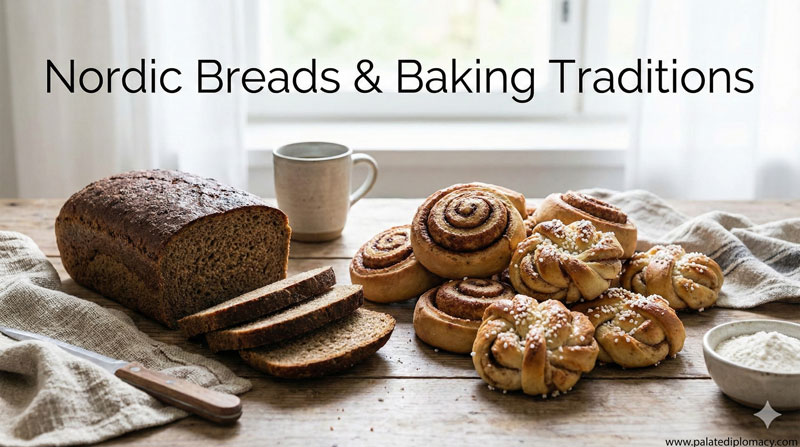
Introduction: Why Cardamom Buns Is One of the Most Loved Nordic Dishes
Why Cardamom Buns Is One of the Most Loved Nordic Dishes invites readers into a warm scene. The dish shines in homes, bakeries, and cafe menus across the Nordic region. It is celebrated for its comforting aroma, soft texture, and inviting sweetness. This post highlights its cultural value and culinary significance, with a focus on How It enhances daily life and shared moments.
A Warm Emblem of Nordic Baking
Cardamom buns symbolize the Nordic love of fragrant spices and generous doughs. The scent of ground cardamom awakens memories of warm ovens and cozy conversations. Bakers craft the dough with care, rolling and shaping it into coils or spirals. The result is a pastry that appears simple yet carries depth of flavor. In cafes and kitchens alike, the buns invite people to slow down and savor the moment.
The Cardamom Signature
Cardamom stands at the Heart of these buns. Its citrusy, herbal notes brighten the sweetness without overpowering it. The spice bridges the dough and the glaze, creating a harmonious balance. The use of cardamom reflects a regional pantry that values bright spice profiles. When you bite into a freshly baked bun, you experience a gentle warmth that lingers, inviting another bite and another conversation.
Craft, Texture, and Aroma
The dough is light and tender, often enriched with milk or cream and a touch of yeast. Kneading builds structure, while a patient rise develops a soft crumb. Rolling and cutting shapes the buns into elegant spirals, ready to bake. A glaze or dusting of pearl sugar adds a delicate finish. The aroma fills the room first, then the eyes catch the glossy surface and the soft interior. The texture combines tenderness with a subtle chew, a trait that makes cardamom buns delightful to share.
Fika and Everyday Rituals
In Nordic culture, a pause for coffee or tea—fika—lives as a daily ritual. Cardamom buns fit perfectly into this practice. They appear on breakfast tables, midafternoon breaks, and celebratory spreads. Sharing a plate of buns becomes an act of kindness and conversation. The tradition emphasizes presence, comfort, and connection, all wrapped in a single pastry.
Regional Voices and Names
Across the Nordic countries, bakers name and shape these buns with small variations. In Sweden, kardemummabulle is a familiar term and a beloved treat. In Norway and Denmark, you may find similar spiced buns with regional twists. The variations celebrate technique and taste without losing the core identity: a spiced, soft, shareable bun. These regional expressions enrich the overall story of the dish.
Culinary Significance in Today’s Kitchens
Cardamom buns demonstrate how simple ingredients can become a beloved culinary language. Flour, yeast, milk, sugar, and spice combine to express care and craft. Home bakers learn patience, balance, and timing. Professionals refine technique while honoring tradition. The result is a pastry that travels well from home oven to bakery case, carrying a consistent message of comfort and culture.
A Dish of Light and Joy
The beauty of cardamom buns lies in their lightness, aroma, and the joy they bring to gatherings. They are approachable yet thoughtful, everyday food that feels festive. This accessibility helps them endure as a shared favorite across generations. The bun becomes a small, daily celebration of taste and togetherness.
In Conclusion
Cardamom buns are more than a pastry. They are a cultural moment, a culinary expression, and a bridge between home kitchens and public bakeries. They celebrate spice, dough, and the human joy of sharing. By honoring their flavor and craft, we recognize why cardamom buns remain one of the most loved Nordic dishes.